

Initially known for its groundbreaking week-long live festivals that weave science into New York City’s cultural fabric, the World Science Festival has evolved into a year-round, innovative multimedia organization. It creates original content that spans science, technology, art, media, performance, journalism, and education, with formats ranging from lively discussions and debates to inspiring collaborative works of theater, film, and music. Read more about it at brooklynski.info.
With outstanding talent and new program production technologies, the festival brings the latest ideas, discoveries, and perspectives to a wide audience. The World Science Festival took place in Brooklyn with a series of events that represented the pinnacle of scientific thought at the time, featuring augmented reality rockets, explorations of consciousness, space, quantum computing, and more.
Welcome to Brooklyn
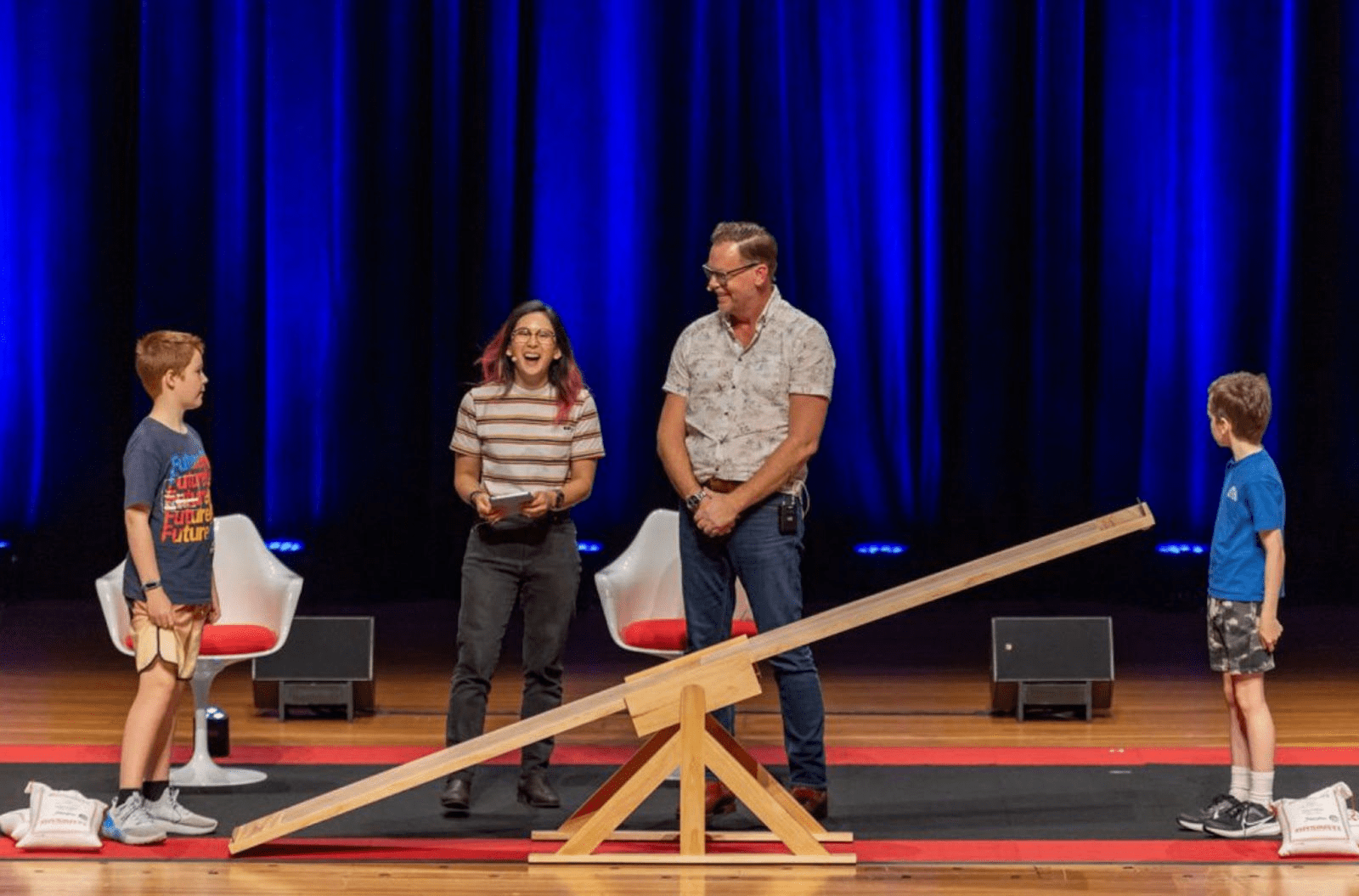
First, a few words about the festival itself. The World Science Festival is a multimedia organization that creates original content related to science, art, journalism, and education. Founded in 2008, it is now widely regarded as a leading platform that brings the most transformative ideas from the cutting edge of discovery to mainstream audiences.
With formats that include innovative works in theater, film, dance, and music, along with captivating live and virtual experiences, and let’s not forget the spectacular discussions and debates, it’s no surprise that this festival is revered worldwide. Add in groundbreaking live and digital content featuring globally renowned scientists, artists, and intellectuals from various countries, and these people are truly moving science to the cultural center.
The science festival has long been distinguished by its commitment to the highest editorial standards and production excellence, offering a global audience an exceptionally captivating and unique glimpse into the near and distant future. It has become widely known for its annual week-long festival, which elegantly intertwines science with culture, making complex topics easier to grasp. The festival expands every year, having reached over 3.5 million attendees worldwide, while its digital, educational, and broadcast programs have garnered over 250 million views.
World Science U, the World Science Festival’s educational platform, offers in-depth scientific explorations led by Nobel laureates, renowned researchers, and master educators. The World Science Festival is an organization of the World Science Foundation, a non-profit entity.
From all of the above, the mission of the World Science Festival is very clear: to foster a public that is informed about science and its latest discoveries, inspired by its wonders, convinced of its value, and ready to participate in solving issues related to its importance for the future.
Igniting a Passion for Science
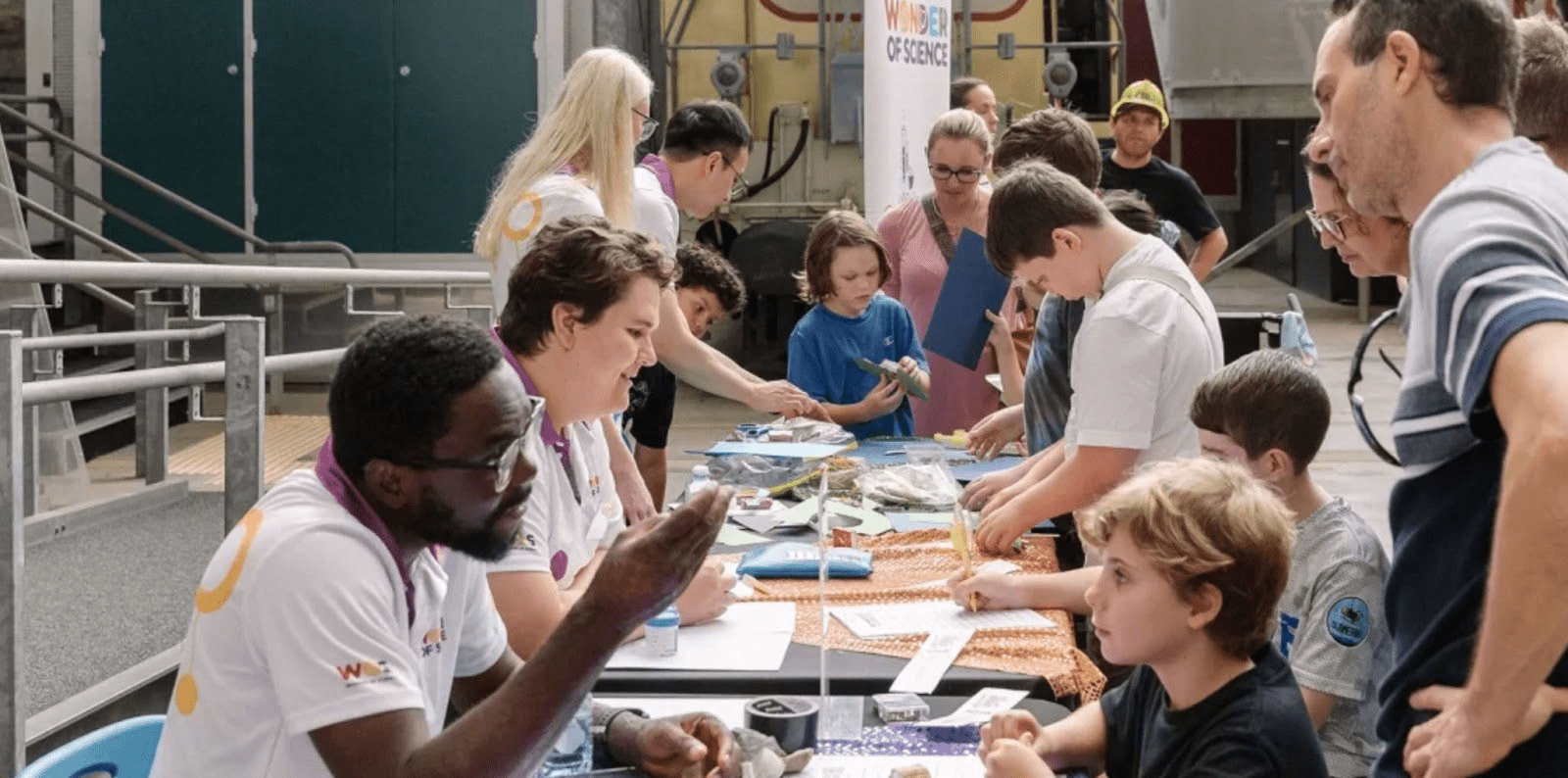
It has long been known that the World Science Festival aims to ignite a passion for science in as many people as possible around the world. Why not start in Brooklyn, the organizers thought in 2012? Brooklynites got a fantastic opportunity to see and experience new technologies firsthand, to witness a glimpse of the future, to see how and when it’s taking shape, and to meet with scientists and professors from one of the best alma maters—New York University. It has always worked on the cutting edge of scientific fields.
NYU spokesperson Kathleen Hamilton told the Brooklyn Eagle that the university’s students and faculty are constantly preparing unique projects for Brooklyn’s tech fans.
For example, researchers at the NYU-Poly Game Innovation Lab gave festival visitors the chance to play 11 different games—each one a one-of-a-kind prototype created from scratch or “hacked” on existing hardware like iPads or Kinect peripherals. They set up cameras in the square and built autonomous arcade games that looked like photo booths. Each of these games is fun to play, but they also represent many hours of genuine research.
The Science on Site events at Brooklyn Bridge Park ran from 10:00 a.m. to 10:00 p.m. and included lessons on ancient fishing methods and uncovering the scientific secrets of the Brooklyn Bridge. There was also a botanical safari throughout the park. The Science on Site events also took place at Pier 1, the Empire-Fulton Ferry, and on Main Street.
Afterward, it was time for the evening program, remember, stargazing. The evening program was no less packed, perhaps even more so. The astronomy sessions for everyone interested were just amazing. They started at 8 p.m. and were scheduled until 11:00 p.m. Both professional and amateur astronomers were present, who, as part of the “From the City to the Stars” program, helped all interested Brooklynites observe the stars from Pier 1.
To comfortably and productively spend time, all you had to do was bring a blanket and a telescope, if you had one, of course. But even if you didn’t, it was no big deal, as you could use one of the dozens available from those who take astronomy seriously. There were also food trucks with snacks and wine.
Augmented Reality
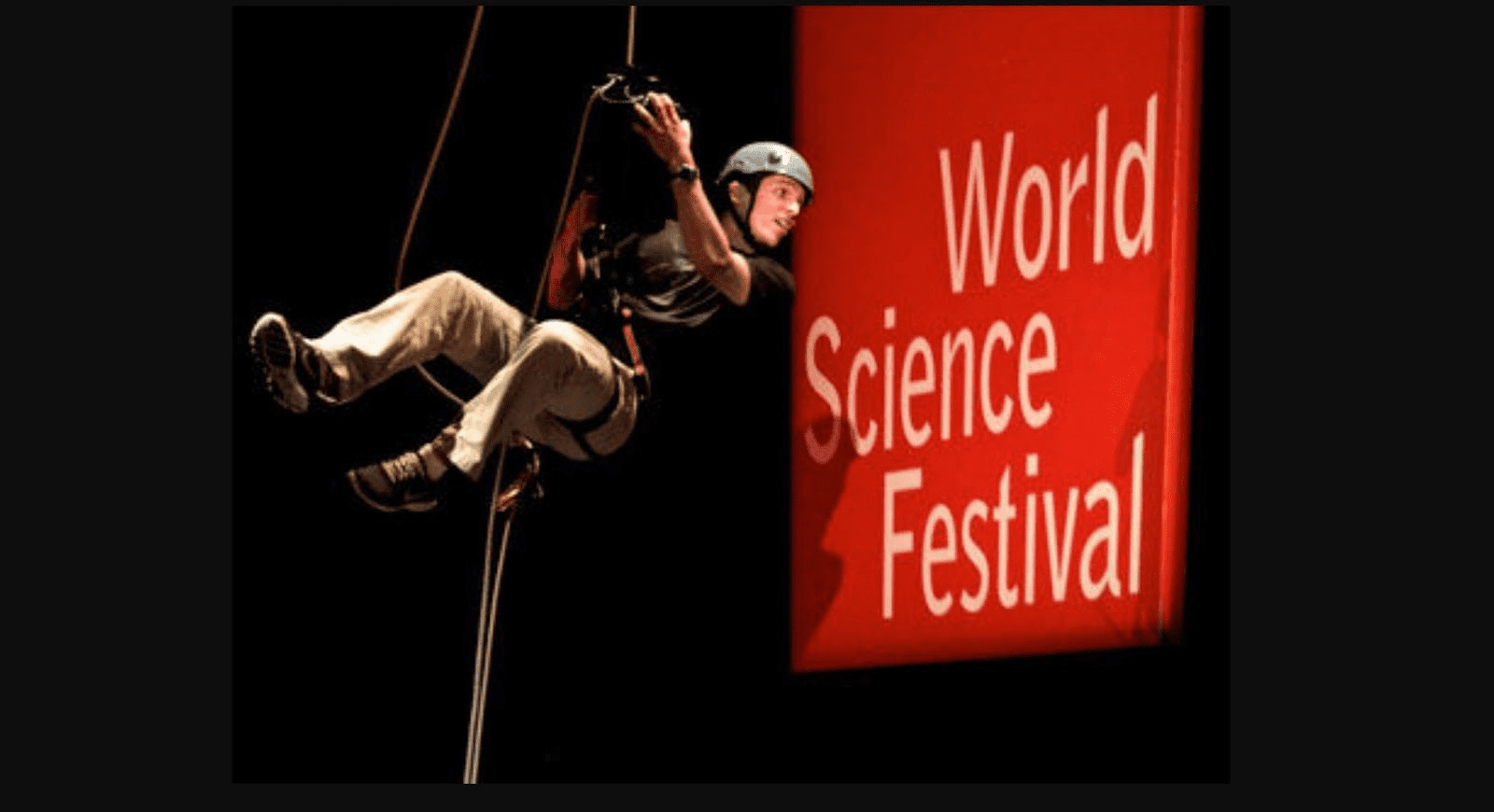
MetroTech was also involved in the festival. The events there lasted from noon to 7 p.m. with demonstrations designed for both children and adults. For example, attendees could watch the first public demonstration of quantum levitation, get lost in a robot zoo, enjoy augmented reality archaeological digs, or play with the world’s lightest material. All these scientific demonstrations culminated in a dance contest on the main stage with an original multi-sensory game from the NYU-Poly Game Innovation Lab.
And the cherry on top was the augmented reality rocket launch by NYU’s Mark Skwarek and his colleague John Craig Freeman from the Manifest.AR group right from the center of the local square.
Sources: