

In the 19th century, Brooklyn did not yet have movie theaters in the modern sense of the word. The first movie theaters as such appeared only in the late 19th and early 20th centuries. But one distinctive feature of Brooklyn was that it had popular theaters, concert halls, and variety show venues. These establishments were the first to realize that cinema, albeit silent, could be popular with the borough’s residents and bring in considerable profits. Therefore, at the end of the century, many such establishments began to show the first moving pictures.
Therefore, it is only logical that they became the first “precursors” of movie theaters. For more details on where Brooklynites enjoyed cinematic masterpieces of the early 20th century, visit brooklynski.info.
Movies instead of plays
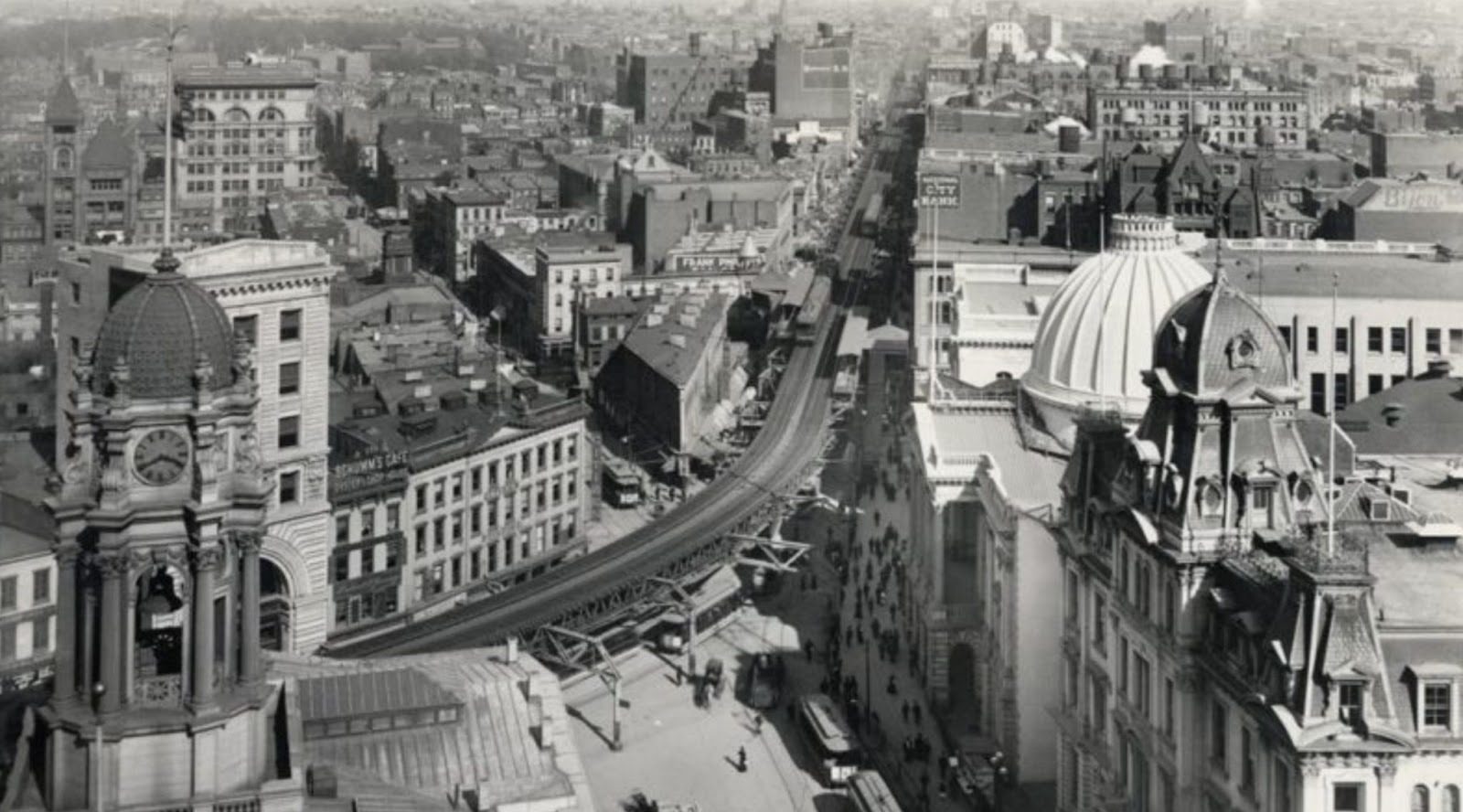
When talking about where Brooklynites watched movies in the early 20th century, it should be noted that there were many cinemas in the borough that showed various films. The main trend was that a large number of movie screenings took place in theatres where theatrical performances had previously been held. Moreover, there used to be a special theatre district in the centre of Brooklyn. It surpassed the famous Manhattan in size. It is known that at the end of the 19th century, theatres were located on Washington Street, now Cadman Plaza East, on Fulton Street, and eastward to the Brooklyn Academy of Music.
And since the so-called “real” theatre gradually began to be replaced by movie screenings, four large cinemas appeared in the city centre at the very beginning of the 20th century. Moreover, they managed to reach incredible heights. We are talking about the Albee, the Fox, the Loew’s Metropolitan, and the Paramount.
A little later, the Duffield appeared at 249 Duffield Street. This cinema was located near Fulton Street. The Duffield was designed by Russell B. Smith. It began operating as a cinema in 1913. At that time, silent films were shown here. Musicians took an active part in the film screenings, in this particular case organists who accompanied the films live. Sometimes a small local orchestra was invited to the Duffield.
Soon enough, the theatre became quite popular among Brooklynites, so after a little over two years, in 1915, it was expanded. After the renovation, the theatre received a new screen and more comfortable seats. At that time, the popularity of film screenings was unquestionable, so at the end of the first quarter of a century, a new Wurlitzer organ was installed in the cinema. Ten years later, in 1946, the Duffield was renovated again, and it was done so skilfully that the local newspaper, the Brooklyn Eagle, declared that this establishment was a popular addition to Brooklyn’s many luxurious cinemas.
Елітні кінотеатри
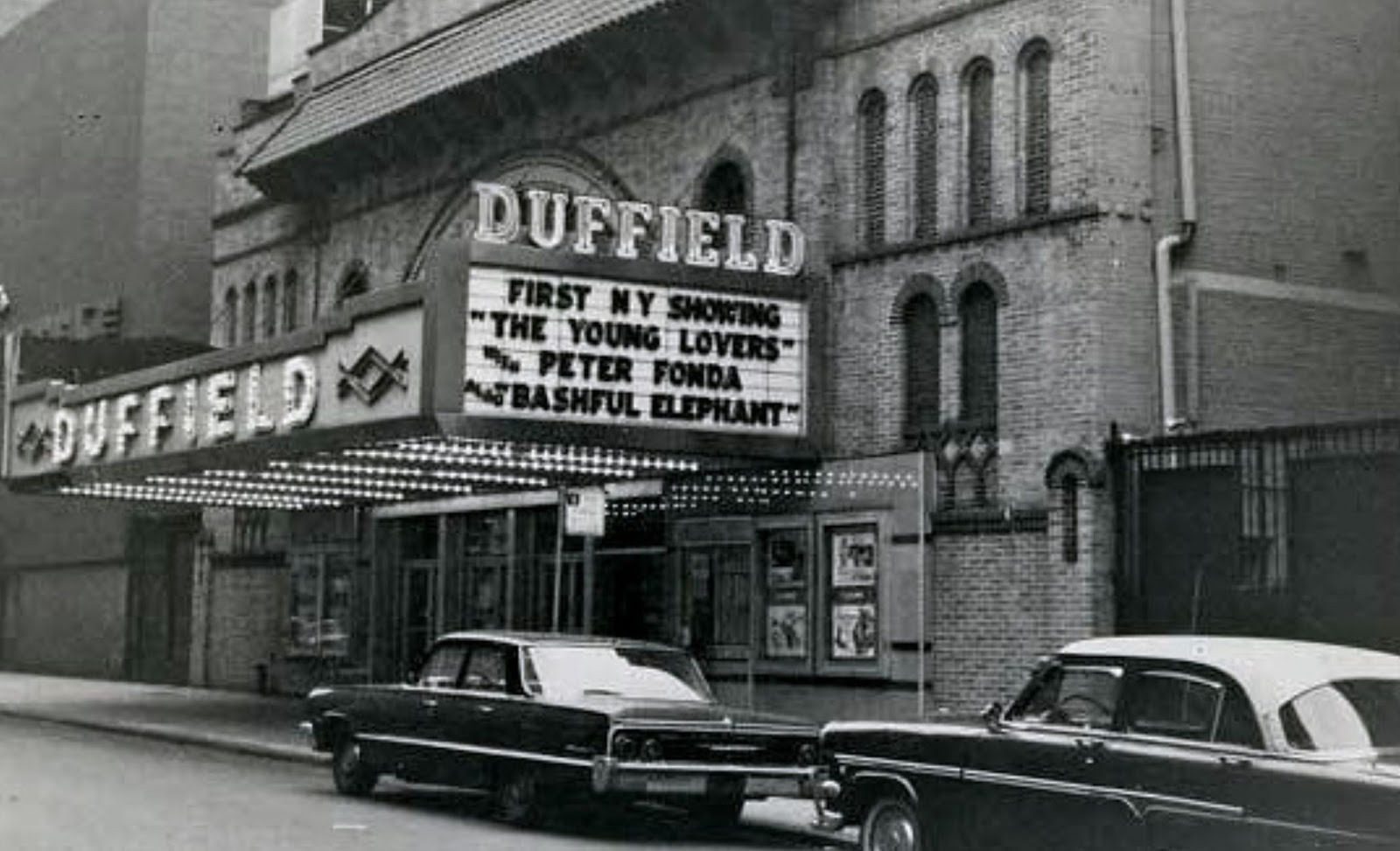
To understand what was being discussed, it should be noted that the building could accommodate approximately 900 people, although it had only one screen with a balcony and space for an orchestra. However, in 1984, the balcony was closed, and a second screen was installed, turning the Duffield into a duplex that could seat over 300 people each.
As for the repertoire, for most of its existence, the Duffield showed second-rate films, but this allowed the establishment to survive in difficult times. Overall, by the 1980s, the cinema was quite neglected, but at that time, it and the Loew’s cinema on Fulton Street were the only cinemas left in central Brooklyn. The era of mass television spared almost no one.
At the end of its existence, the Duffield cinema was the scene of a detective story, in the literal sense of the word. In 1991, during a screening of New Jack City, one of the audience members was shot dead right in the theater. The subsequent investigation and scandal surrounding the murder led to the cinema’s permanent closure. The building was quickly sold and demolished.
People’s cinema
Instead, a concrete building in the style of a shopping centre was erected on the site of the Duffield, which initially housed a store called Brooklyn USA, selling local clothing and accessories. It lasted no more than a few years. In general, the premises changed several tenants. Today, the building houses a Planet Fitness gym.
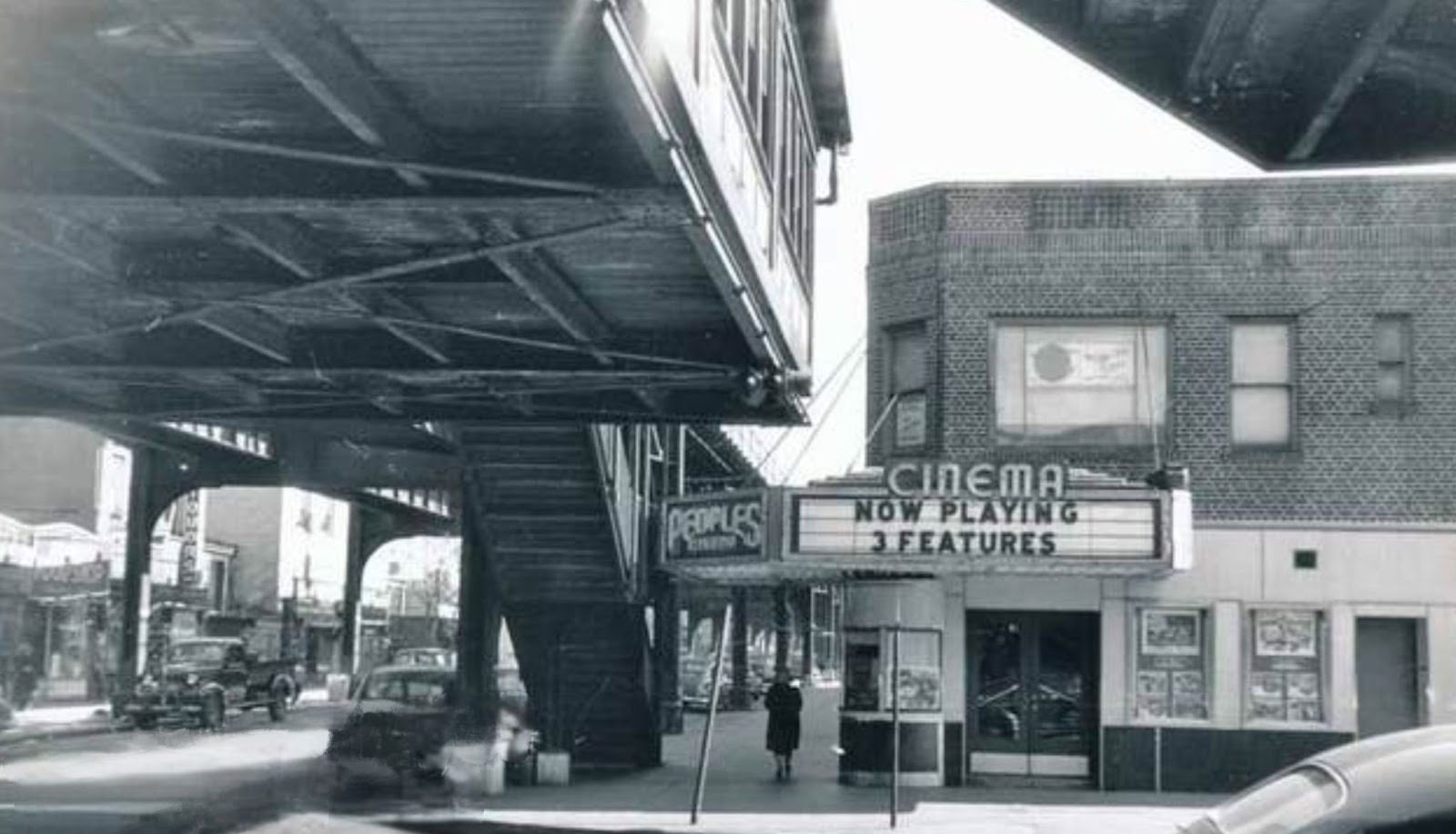
But at the beginning of the 20th century, Brooklynites did not only watch movies in elite, large, and sophisticated establishments. The borough had plenty of smaller, less elite cinemas. For example, People’s Cinema, located on the southwest corner of Saratoga Avenue and Livonia Avenue in the Brownsville neighbourhood. Initially, the Bluebird Theatre operated here, which opened in January 1931. In 1935, a synagogue was opened in this building instead of the theatre, but on January 29, 1937, the so-called People’s Cinema opened.
The reason for this name was the tendency to show socially oriented films here. It is also known that residents of this area tended to vote for more radical, left-wing candidates in local elections, which may be why such films were quite popular here.
It is also known that these films were certainly not as successful in other areas of Brooklyn. However, even this cinema was closed in 1954. At the end of the same year, it was sold and converted into a Food King supermarket. Since 2011, a Fine Fare supermarket has been operating on this site.
There was another trend in the opening of cinemas in Brooklyn. This can be seen in the example of the Georgetown Twin cinema. It should be noted right away that this was a modern cinema, known for its large car park, which attracted many visitors. Incidentally, it was one of the first so-called twin cinemas in Brooklyn.
There is nothing surprising about these attractions, as this cinema opened in 1968 with the assistance of Loew’s. At the very beginning of its operation, the cinema became very popular, though not because of the new concept of showing two different films at the same time. But because it had a large modern car park. And in the end, it closed, just like many single-screen and smaller multiscreen cinemas.
Features of Brooklyn movie theaters
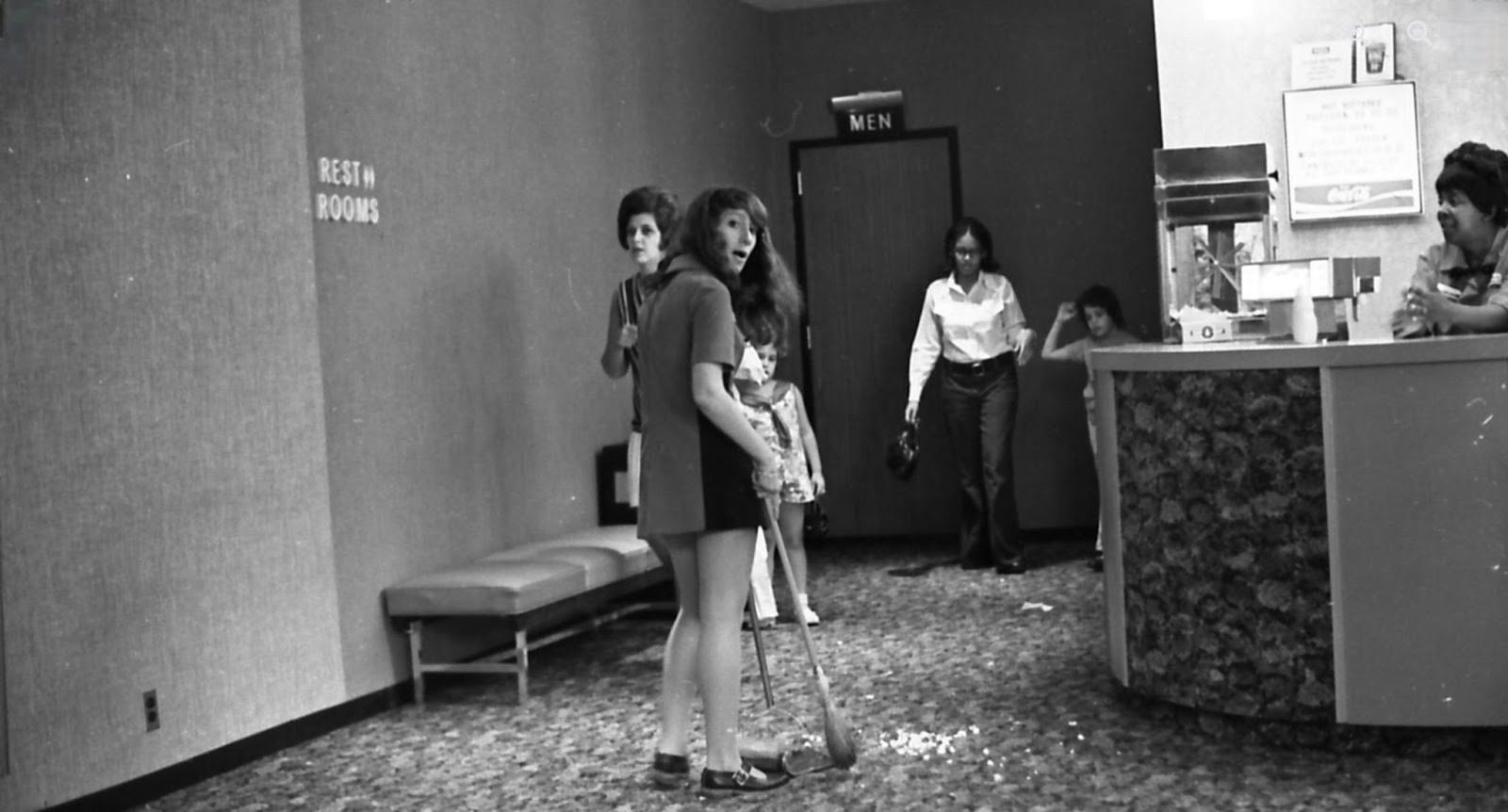
In general, Brooklyn is a special borough because when you shop in a store, work, or go to one of the churches located in an old building. There is a good chance that you are standing in a former cinema. Although many cinemas are still intact, some of them have been destroyed.
It should be noted that during the golden age of cinema in the early 20th century, there were quite a few cinemas in Brooklyn, located close to each other, literally within walking distance. In these, as they were then called, palaces of entertainment, Brooklynites could watch movies accompanied by an orchestra or even a loud organ. Live vaudeville performances were also not uncommon.
Later, they stopped showing them at movie screenings. Moreover, over the course of the century, the number of trips to the cinema by the residents of the borough began to decline, and there even came a time when the once-majestic cinemas began to struggle for economic survival.
As a result, many cinemas that managed to survive by changing their purpose, becoming grocery stores, pharmacies, gyms, churches, etc., remain architectural landmarks. This is particularly true of Brooklyn Neighbourhoods such as Bay Ridge, Dyker Heights, Bensonhurst, Sunset Park, and others.
Sources: