

In the “Roaring Twenties,” Al Capone ruled over a vast criminal empire in the Windy City—a domain built on gambling, prostitution, bootlegging, bribery, drug trafficking, robbery, extortion, and murder. This impressive resume was fitting for Chicago, the third-largest city in the United States.
Read more about the legendary gangster, Brooklyn-born Alphonse Gabriel “Al” Capone, at brooklynski.info.
By the way, the nickname “Windy City” has nothing to do with the breezes from Lake Michigan. Instead, it refers to Chicago’s ever-changing political climate. Whether Capone contributed to this reputation is hard to say, but one fact is undeniable: local law enforcement struggled for years to bring serious charges against him.
Meanwhile, federal authorities were eager to step in, but they needed a federal crime to pursue. Luck eventually runs out for everyone.
Childhood and Early Years
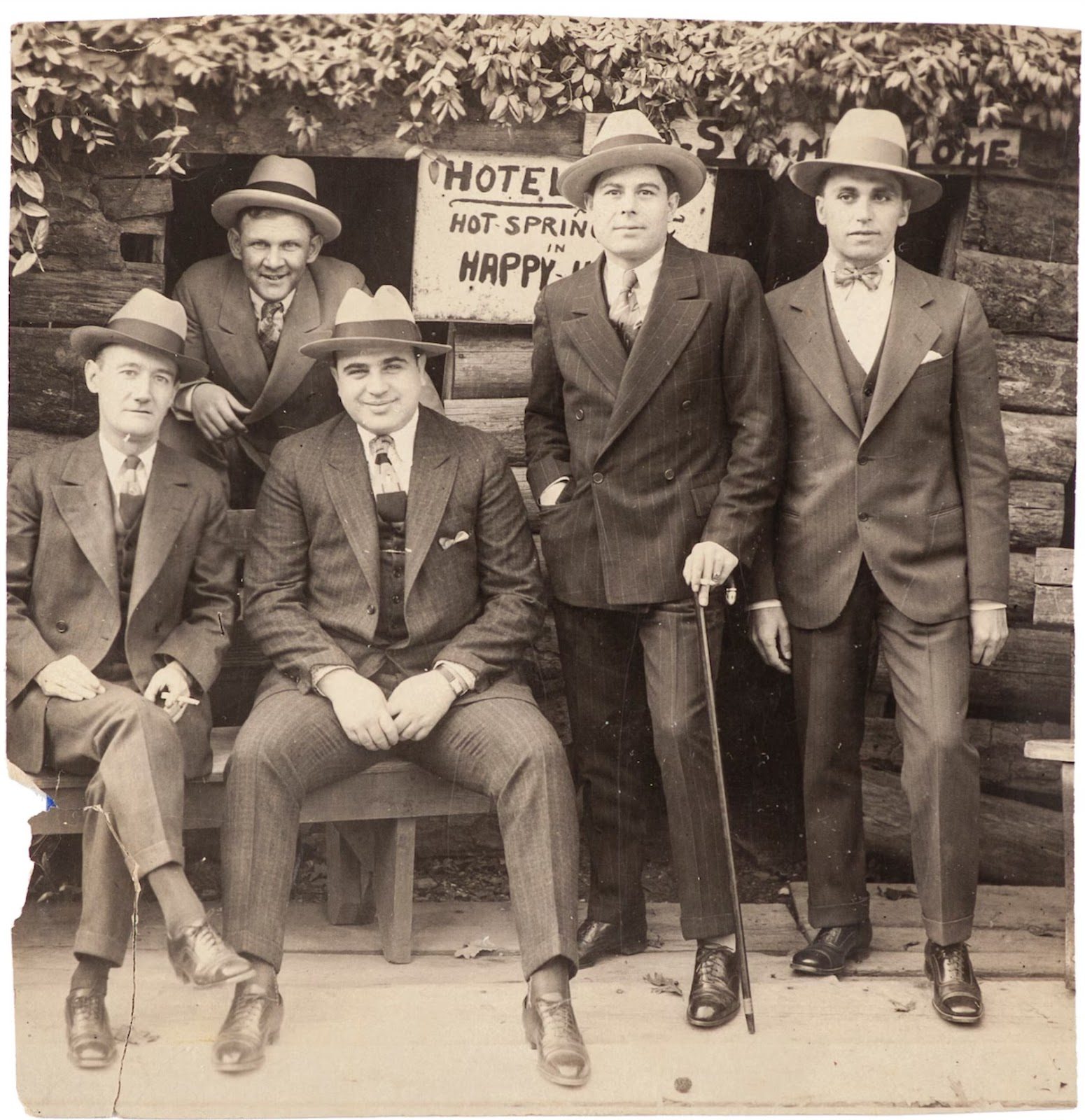
Al Capone was born into an immigrant family in Brooklyn, New York, in January 1899. He often claimed that both he and his parents were born in America, though this was far from the truth.
His parents immigrated from Naples to the United States in 1893. Al, the fourth of nine children, grew up in Brooklyn. He attended a local school until the sixth grade but dropped out at 14 years old after getting into an argument and hitting a teacher.
After leaving school, Capone worked a series of odd jobs—as a clerk in a candy store, a pin boy in a bowling alley, a munitions factory worker, and a bookbinder.
At the same time, he joined two Brooklyn street gangs—South Brooklyn Rippers and Forty Thieves Juniors. These teenage gangs were notorious for vandalism and petty crime, which was not unusual in New York at the time.
One well-known story recounts how eight-year-old Capone led his gang to punish a group of Irish boys who had been harassing Italian women in the neighborhood.
He strapped a washbasin to his chest like a drum and beat on it while his gang provoked their rivals into a street fight.
Despite his early involvement in crime, some say Capone was a diligent student until his infamous dispute with the teacher.
How Capone Became “Scarface”
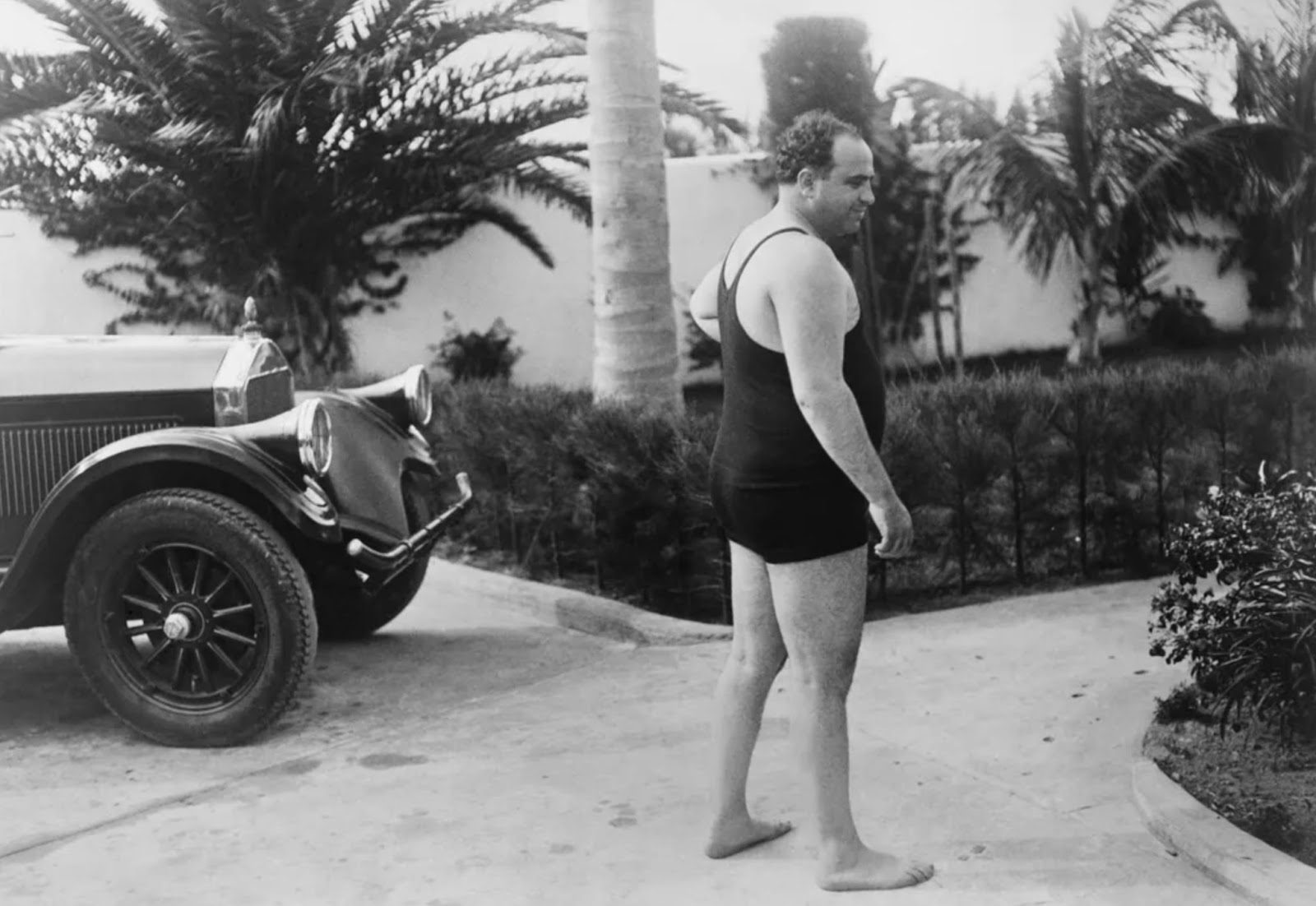
Capone earned his infamous nickname, “Scarface,” while working as a bouncer at a Brooklyn nightclub owned by a mobster.
One night in 1917, local gangster Frank Galluccio arrived at the club with his sister. Capone made a crude remark about her appearance, reportedly saying she had a “nice backside.”
Realizing his mistake, Capone tried to apologize, but it was too late.
Galluccio, enraged, pulled out a knife and slashed Capone’s face three times.
For the rest of his life, Capone tried to hide the scars and fabricated stories about how he got them, often claiming they were from combat in World War I.
Capone’s First Murder
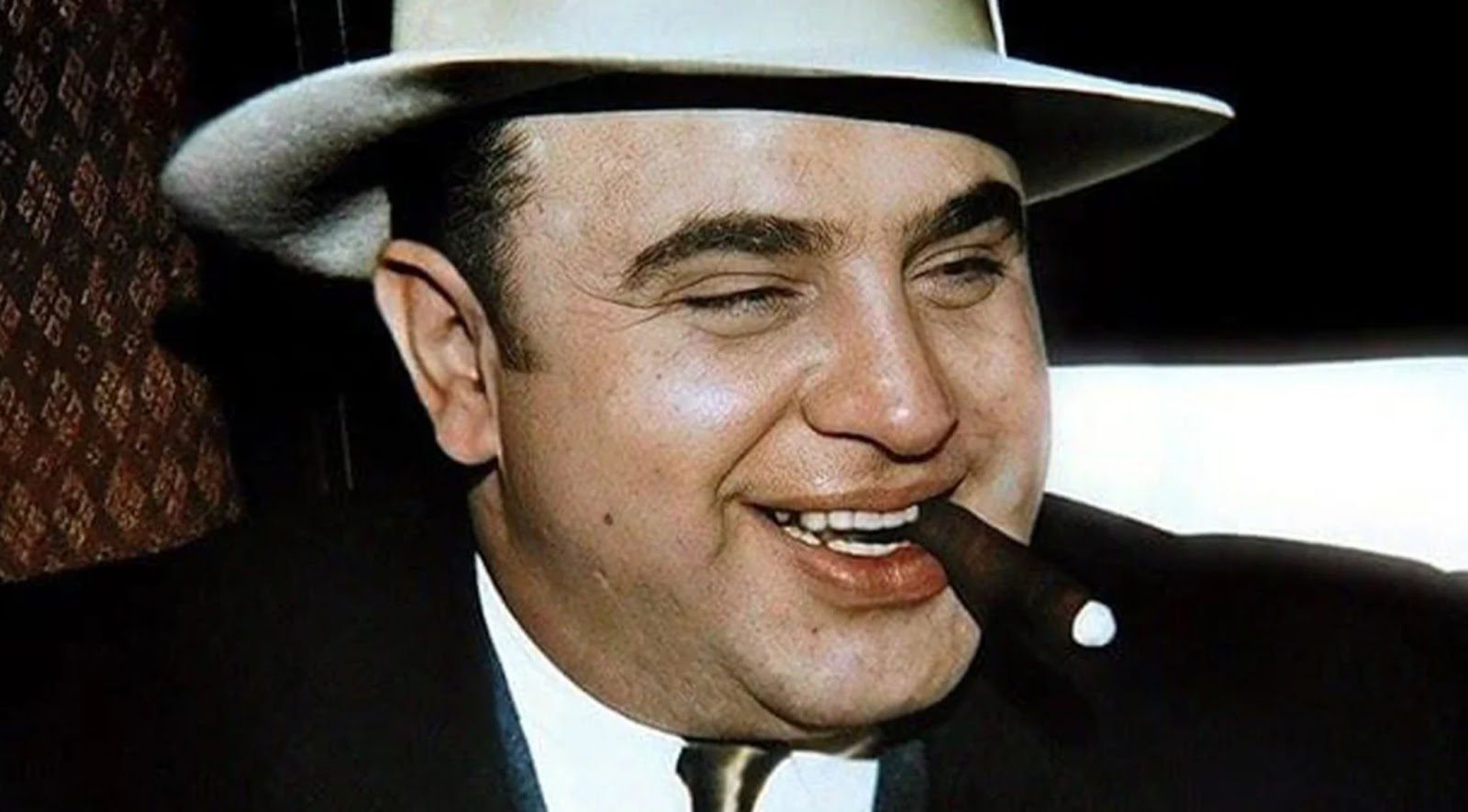
By the time Al Capone turned 21, he had already committed at least one known murder. He shot and killed a gambler over a dispute when the man took Capone’s winnings after a game of craps.
Despite being interrogated by the police, Capone was released due to a lack of witnesses. In another case, he brutally attacked and killed a low-ranking member of a rival gang, known as the “White Hand” gang.
Fearing retaliation, Capone fled Brooklyn with his wife and child and relocated to Chicago.
The Rise of a Crime Boss
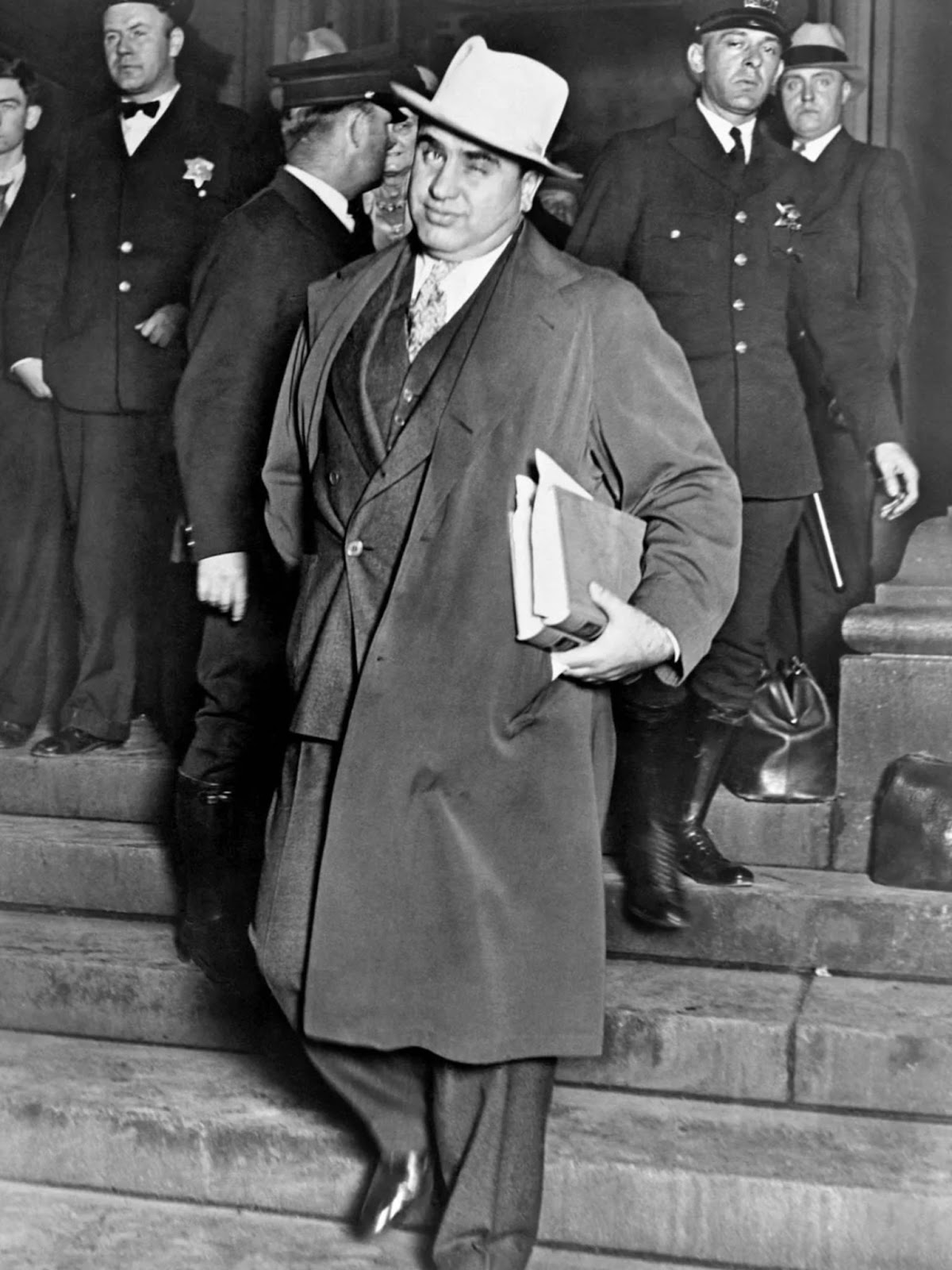
Moving to Chicago in the 1920s marked the beginning of Capone’s reign. He joined Johnny Torrio’s gang and quickly rose through the ranks. The Prohibition era created a lucrative market for illegal alcohol sales, making bootlegging a highly profitable industry for organized crime.
Torrio, encouraged by Capone, seized this golden opportunity and aggressively expanded operations in bootlegging, speakeasies, and illicit breweries. Capone also focused on controlling the local government through bribery and corruption.
In 1925, Torrio was severely wounded in an assassination attempt. He retired and moved back to Brooklyn, leaving Capone in charge. Having gained experience and built a fearsome reputation, Capone eliminated his rivals and took control of Chicago’s underworld.
The suburb of Cicero effectively became his personal stronghold.
The King of Chicago’s Underworld
By 1927, Capone’s empire was worth an estimated $100 million. He ruthlessly eliminated competitors, culminating in the infamous St. Valentine’s Day Massacre. On February 14, 1929, seven of Capone’s men gunned down rival gang leader Bugs Moran’s crew in a garage on Chicago’s North Side.
That same year, Capone was arrested outside a Philadelphia theater for carrying a concealed firearm. Within days, he was sentenced to one year in prison. Threats from other inmates led authorities to transfer him to Eastern State Penitentiary, where he served eight months before being released for good behavior in 1930.
Capone’s Arrest and Conviction
The FBI began investigating Capone in 1929 when he failed to appear before a federal grand jury. His lawyers claimed he was ill, but the FBI discovered he had actually been attending horse races in Miami. Capone was summoned to federal court in Chicago, but as soon as he left the courtroom, he was arrested again for contempt of court.
He posted $5,000 bail and was released. However, another arrest followed, resulting in a six-month jail sentence at Cook County Jail.
Meanwhile, the U.S. Treasury Department built a case against him for tax evasion. On June 16, 1931, Al Capone pleaded guilty and was sentenced to 11 years in federal prison. In 1939, after serving seven years, six months, and fifteen days, Capone was released after paying his fines and back taxes.
By then, he suffered from paresis, a condition caused by syphilis. In 1946, a psychiatrist examined Capone and concluded that he had the mental capacity of a 12-year-old child. He died a year later, in 1947.