

As we know, a fraudster is a person who aims to deceive others, usually in order to obtain financial gain. First, fraudsters gain people’s trust, and then convince them to believe in something that is not real. One such person was George K. Parker. He was a native New Yorker, although he was born into a family of Irish immigrants. He earned his living in a rather exotic way — illegally, selling famous landmarks that, of course, he never owned. But that last detail did not bother him.
Rumor has it that Parker managed to sell such popular objects as the Statue of Liberty, Madison Square Garden, the Metropolitan Museum of Art, and, of course, the Brooklyn Bridge. He sold the latter lot almost every week. And once, Parker managed to “push” the Eighth Wonder of the World for as much as $50,000. It was precisely because of this unhealthy passion for the Brooklyn Bridge, that the man became one of Brooklyn’s most famous swindlers. But read more about it at brooklynski.info.
The situation in Brooklyn
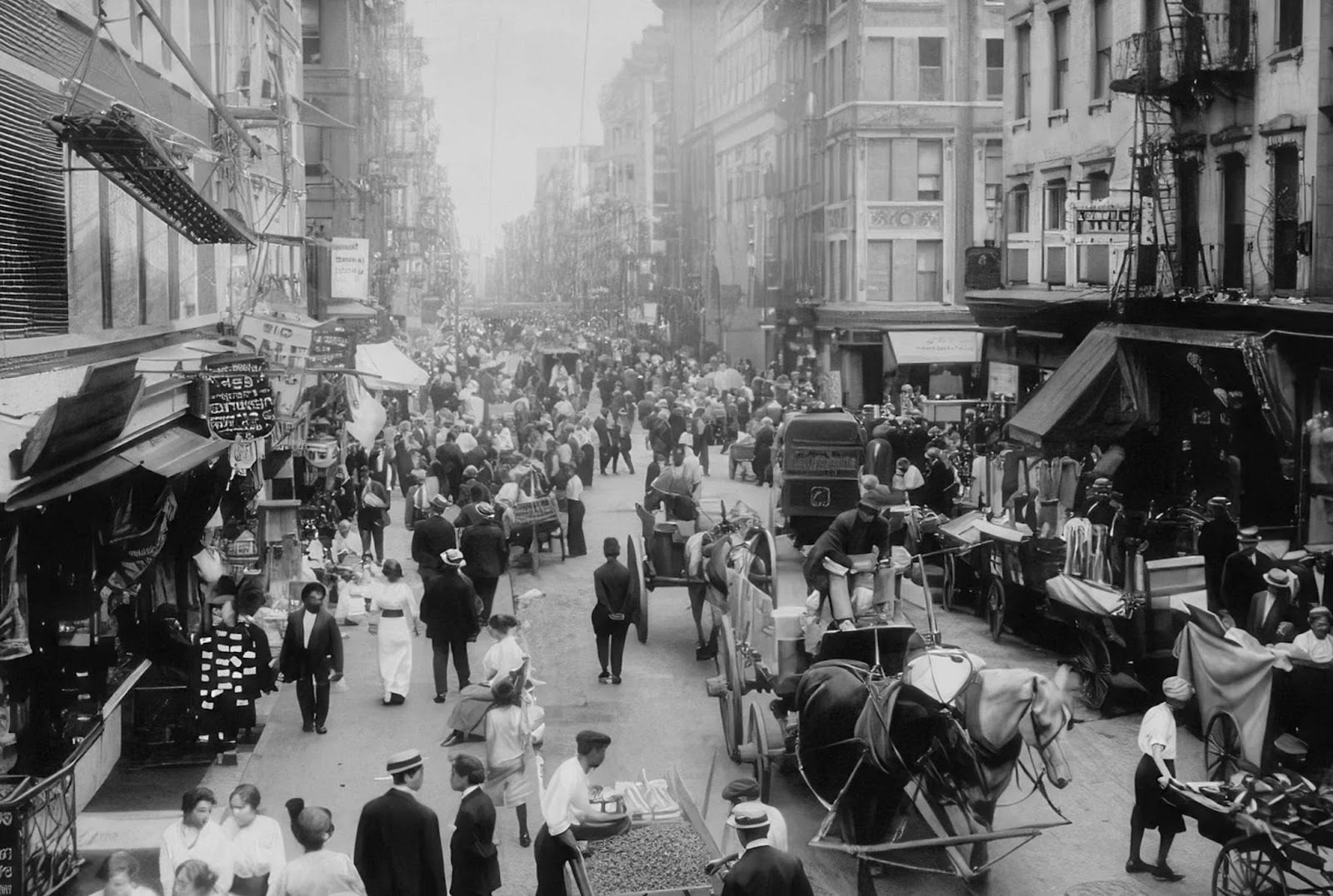
Brooklyn at the end of the nineteenth century was considered a very promising city to live in. It literally attracted emigrants from all over the world, who often arrived in New York in general and Brooklyn in particular every day, not just in the hundreds, but in the thousands. They had only a suitcase with the most necessary things and an address, some friends or perhaps relatives.
All newcomers were looking for happiness and hoping for a new life. It could not be otherwise, because it was the “land of opportunity.” Many immigrants sailed across the ocean from European countries such as Italy, Ireland, and Germany. Some fled from poverty, others from political, religious, and other troubles, or even persecution. But these people were united by one single thought: that where they were going, fate would smile on them, and they would have a better life, because where they were going, it was not otherwise.
However, the reality that the immigrants faced in Brooklyn was sometimes strikingly different from their optimistic expectations. By then, the borough, already a struggling one, did not always welcome its new residents. Very often, the harsh reality and discrimination they faced from the first days of their arrival was unbearable.
But despite the difficulties, Brooklyn flourished, becoming a multicultural enclave, managing to miraculously combine a wide variety of languages, foods, and traditions. And the more people arrived in the borough, the more quickly the neighborhood became a vibrant and colorful part of what was known as the greater New York City.
Buy Brooklyn Bridge
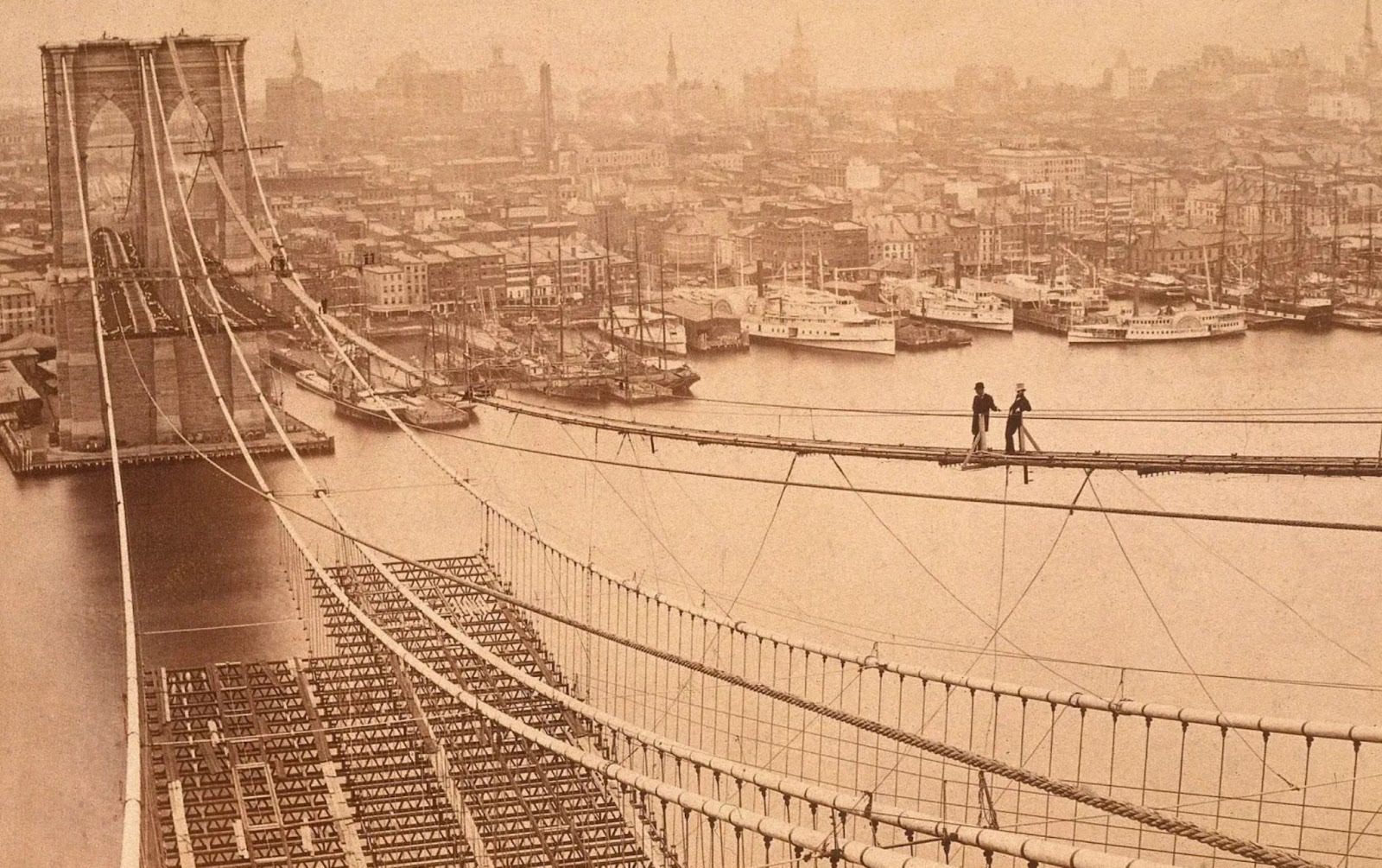
But all this is not to say that everything was so rosy and cloudless, to use meteorological terminology. There were individuals who, despite everything, always wanted to cheat someone out of their last dime, taking advantage of the dreams and vulnerability of newcomers.
One such person was a native of New York, George C. Parker. The man was quite skillful at preying on newly arrived immigrants. It is said that by his manners, conversation, and behavior, he seemed to any passerby to be a very wealthy New Yorker. In reality, however, he was a fraudster of the highest order, because he sold air, often for a lot of money.
Some say that Parker was a dream seller and a master of illusion. However, it depends on how you look at it, because when a person became the “owner” of the Brooklyn Bridge, which never belonged to the seller Parker, was he buying air or a dream? Meanwhile, the Brooklyn Bridge scam was considered George C. Parker’s most successful fraud, and he could pull it off several times a week for 40 years.
And there is nothing surprising about these figures. After all, he mostly deceived impoverished but hopeful people. Immigrants were ideal targets for opportunistic swindlers like Parker. Of course, he was not only cunning but also ruthless, taking advantage of naive immigrants and tourists. Incidentally, Parker sold not only the Brooklyn Bridge. He is known for his scams involving buildings that did not belong to him and historical monuments that he never even came close to owning.
George K. Parker and his strategy
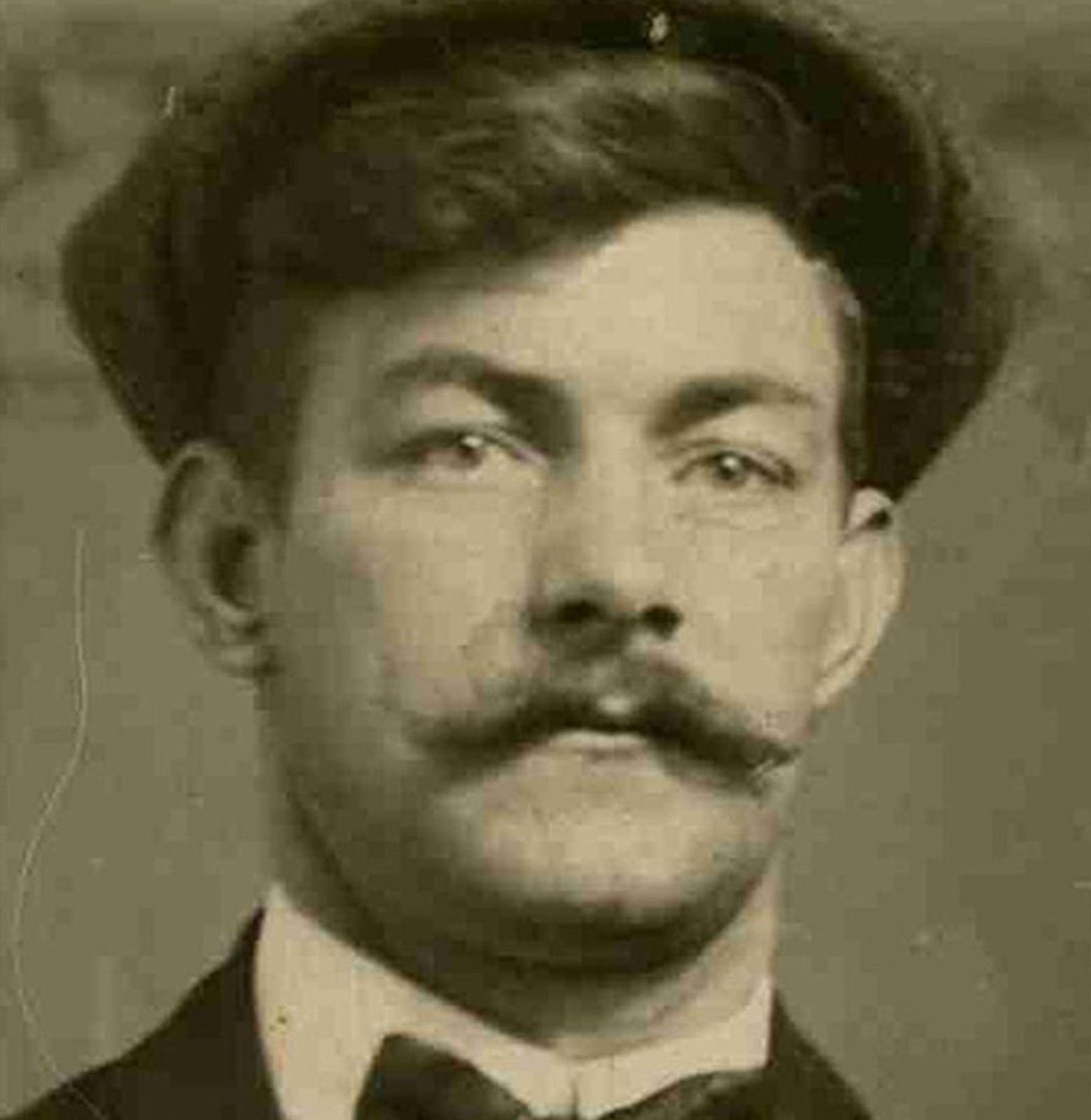
George C. Parker was a native New Yorker, born in 1860. However, his parents were immigrants who came to the city from Ireland. Therefore, this is almost the only information known about the fraudster’s childhood and youth. At the same time, it is very well known that he was able to charm his interlocutors, regardless of whether they were men or women. He was also a workaholic in his field, so he made a living by lying, deceiving and exploiting people.
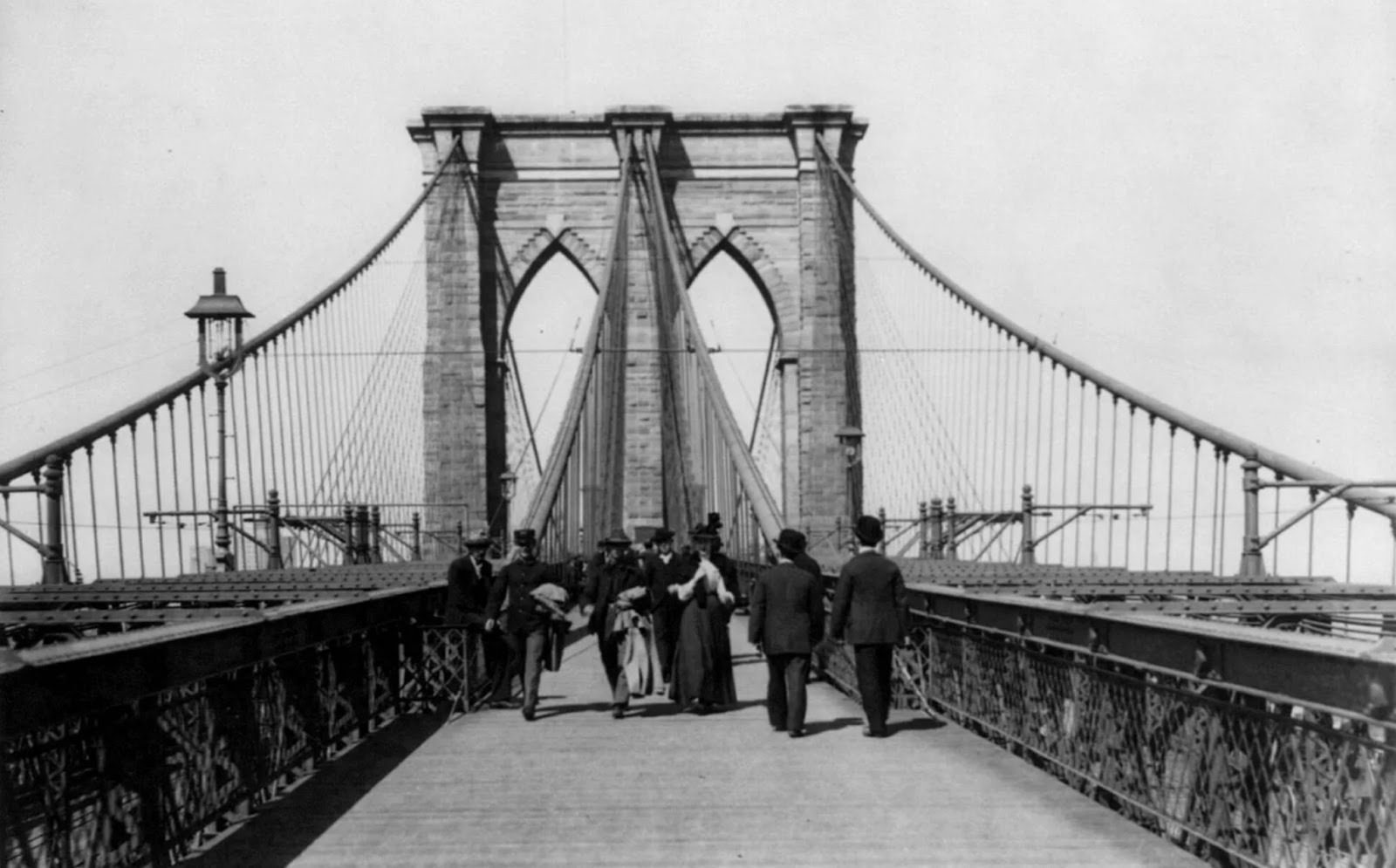
By the way, the Brooklyn Bridge was not chosen by Parker by chance. Despite the fact that it is not located directly on the route of ships, this majestic structure has always been a prominent symbol of Brooklyn and New York. No wonder it was called the Eighth Wonder of the World. But there was one more nuance that was of great importance. The Brooklyn Bridge served as an important point of communication between Manhattan and Brooklyn, so thousands of pedestrians, workers, and travelers crossed it every day, both in one direction and the other.
Over many years of fraudulent activity, George C. Parker developed a special strategy. Firstly, he was always impeccably dressed, remembering that, whatever one may say, people are greeted by their clothes. Secondly, he paid a lot of attention to the choice of the victim. When a suitable person was found, usually an unsuspecting newly arrived immigrant, the man would approach him and recommend him as a successful business owner.
Parker said that he ran a toll booth for crossing the Brooklyn Bridge. The irony is that in those days, the bridge did charge a toll. And it was different for pedestrians, horsemen, and vehicles. The prices were quite moderate: you had to pay a penalty for crossing on foot, 5 cents for crossing on horseback, and twice as much for a horse-drawn cart. But to move livestock, one had to say goodbye to 5 cents for a cow and 2 cents for each sheep or pig.
During such a casual conversation, Parker was attentive, assessing not only the interest of the potential victim, but also his financial capabilities. Sometimes, in order to interest the victim, he offered a business partnership. It was about the possibility of becoming a co-owner of toll booths on the bridge.
This offer could not but interest any person, and Parker was not wrong. Then the person was unobtrusively informed by the fraudster that the Brooklyn Bridge was for sale and that he could become its sole owner, controlling all operations related to the collection of tolls. And finally, the potential profits from this activity were announced.
Such an unpretentious conversation, Parker’s charm, and flexibility ensured that he would achieve his goal by luring a tidy sum of money. After all, he was selling people who had come to Brooklyn with dreams of prosperity and wealth the fulfillment of their dreams.
All rise, the court is in session!
It was a short and easy bargaining session, with Parker skillfully adjusting the price of this beautiful bridge. Parker determined the cost in the range from 75 thousand to 50 thousand dollars. For a moment, at today’s prices, these amounts are equivalent to about 1.8 million dollars. Having received what he wanted, the man quickly left.
At the same time, Parker managed to avoid criminal liability for years. Only in 1928 did justice catch up with him. Parker was sentenced to life in Sing Sing prison, where he spent the last 8 years of his life.
Sources: