

Bruce Cutler, a lawyer with a very difficult personality, who turned John Gotti, the boss of the New York mafia, into the Teflon Don. After five years, during which there were three trials against Gotti, who was accused of racketeering, assault, and murder, was defended by Cutler himself, government prosecutors were unable to bring these cases to a logical conclusion—a court verdict and prison sentence. But for more details about the Brooklyn native who became one of the most famous criminal lawyers in the United States, read brooklynski.info.
Early years
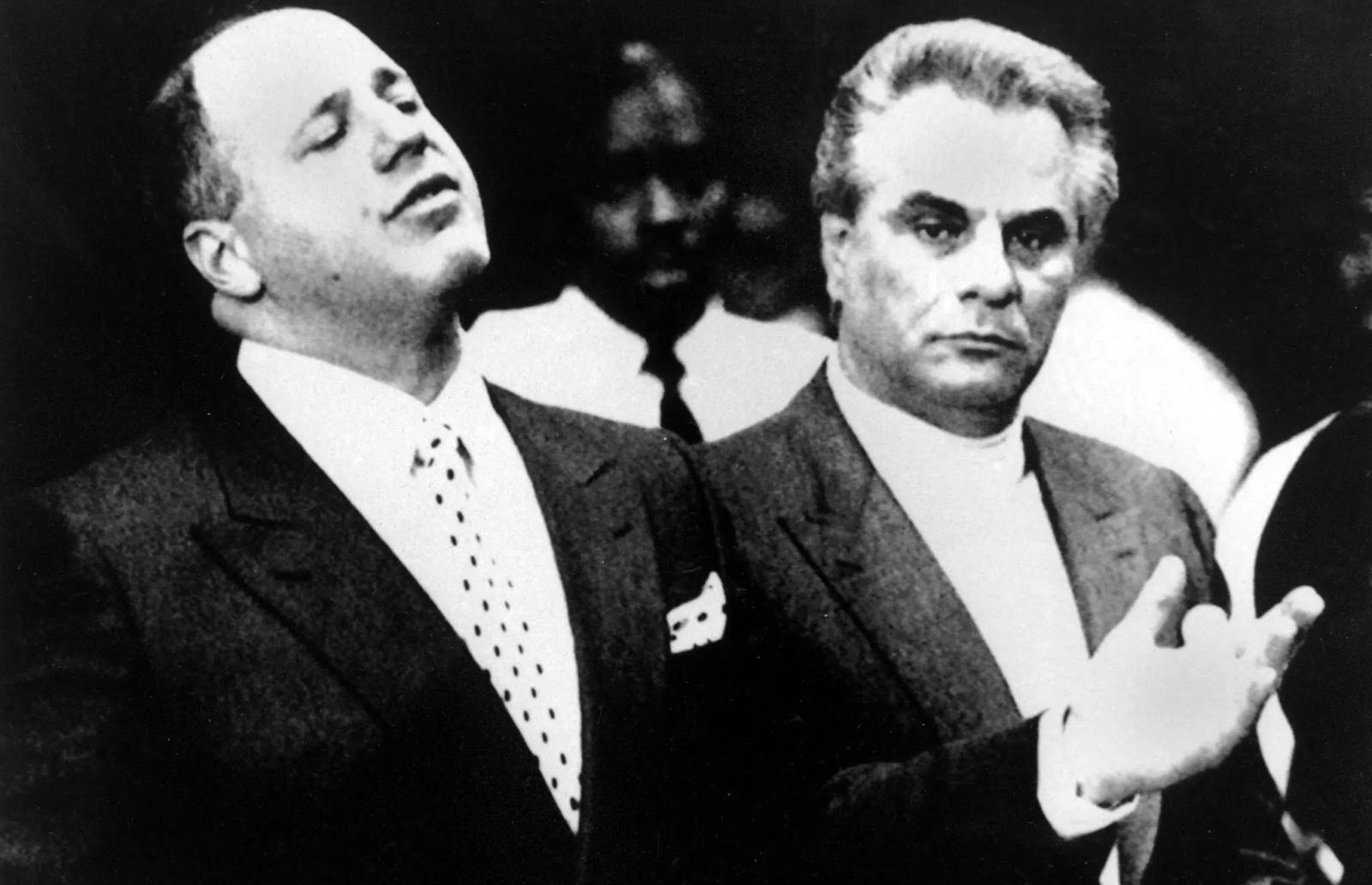
The story of defending one of the mafia bosses deserves a special mention. But first, a few words about the biography of Bruce Cutler, the first Brooklyn lawyer to be convicted of contempt of court for having the audacity not to comply with a court order prohibiting him from speaking to the press.
Then, in April 1948, Mr. Murray, a Brooklyn police detective who lived in the Flatbush neighborhood, had a son whom he named Bruce. Incidentally, Bruce’s father, after retiring from the police force, also became a criminal defense attorney. The boy’s mother, Selma Cutler, was a housewife.
Cutler had a busy childhood, captaining football teams at both Poly Prep Country Day School in Brooklyn and Hamilton College in upstate New York, where he earned his bachelor’s degree in 1970. He also attended Brooklyn Law School, graduating in 1974. Bruce had a brother and sister, Richard and Phyllis, respectively. Everyone who knew the lawyer even a little bit remembered well that he was not very close to his family.
Bruce had only two marriages, both of which were unsuccessful. His first love in his youth was Gladys Moross, but their marriage ended in divorce. The lawyer’s second wife was Barbara Wolfe Patterson. The couple had a son, Michael. Bruce himself explained why his marriages fell apart, saying that it was impossible to live with him because he was a very moody man, not very sociable, and also had an irritable temper.
Career start
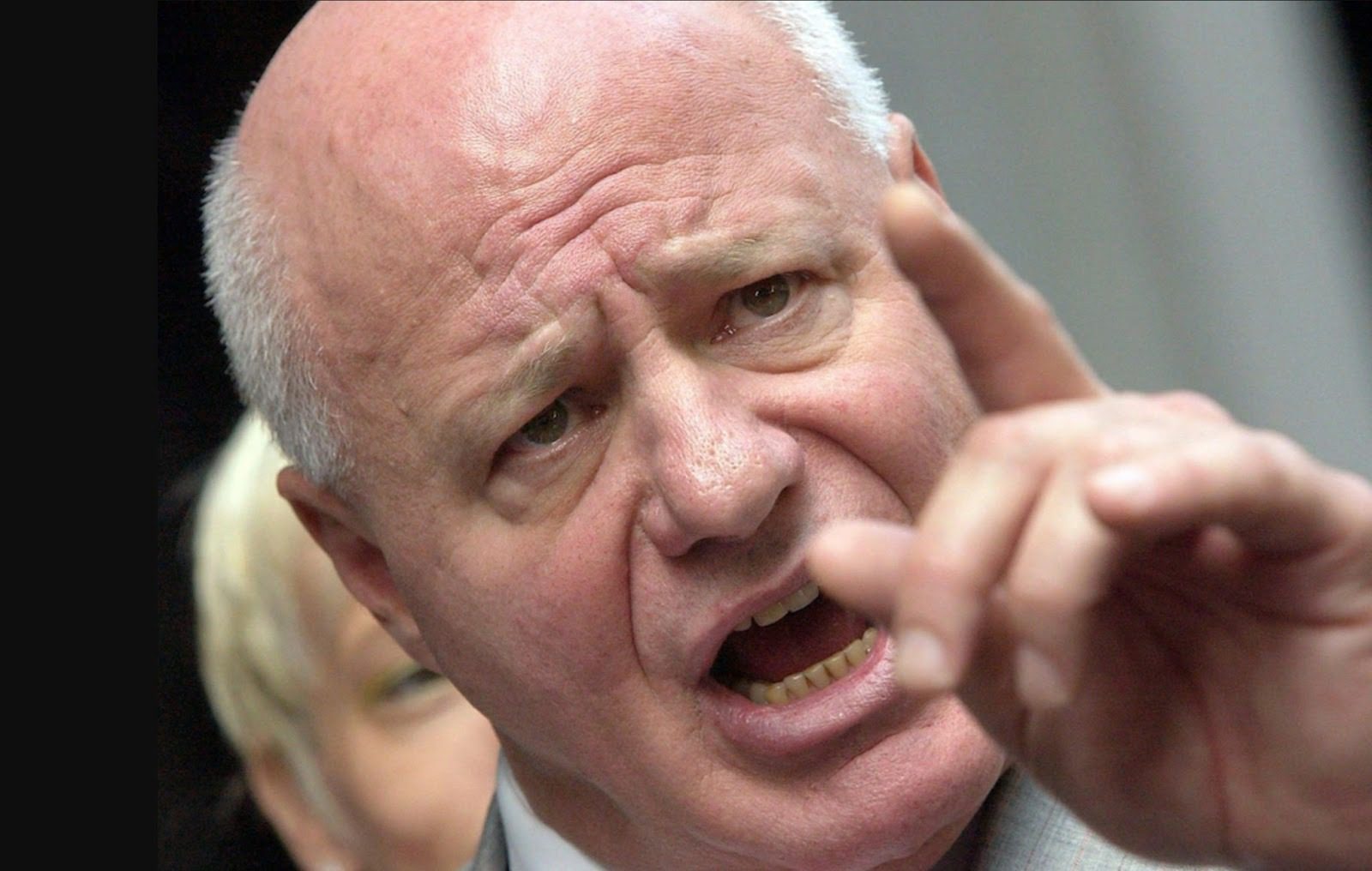
The lawyer said that when he returned home after a grueling day at work, he usually didn’t want to talk about anything — he just wanted to work out, take a shower, and watch TV.
His friend, Mr. Maffeo, said that after graduating from law school, Cutler worked for seven years in the Brooklyn District Attorney’s Office, rising to the position of senior attorney in a specialized bureau. In 1981, Bruce left that position. Instead, he became a junior partner to Barry I. Slotnick, a criminal defense attorney whose clients included mobsters.
That’s how Cutler’s acquaintance with the mafia began. Later, the lawyer recalled a case in which he was assigned to conduct a trial in which one of the defendants was John Gotti. Cutler immediately felt a connection and understanding with the mobster. Soon after, with the blessing of his boss, Mr. Slotnik, Cutler began representing Gotti’s interests on his own.
At that time, Bruce Cutler was barely 36 years old. However, his youth did not prevent him from gaining the trust of the Brooklyn mafia boss. John Gotti trusted Bruce completely, and Cutler felt that trust, which allowed him to do his job comfortably, without unnecessary excitement and fuss. As a result, all of this became part of Cutler’s life as a lawyer — Brooklyn, its police officers, famous gangsters, a large number of government witnesses, federal prosecutors (where would we be without them?), people from the Brooklyn District Attorney’s Office, detectives, the FBI, and so on.
The Great Case of Gotti
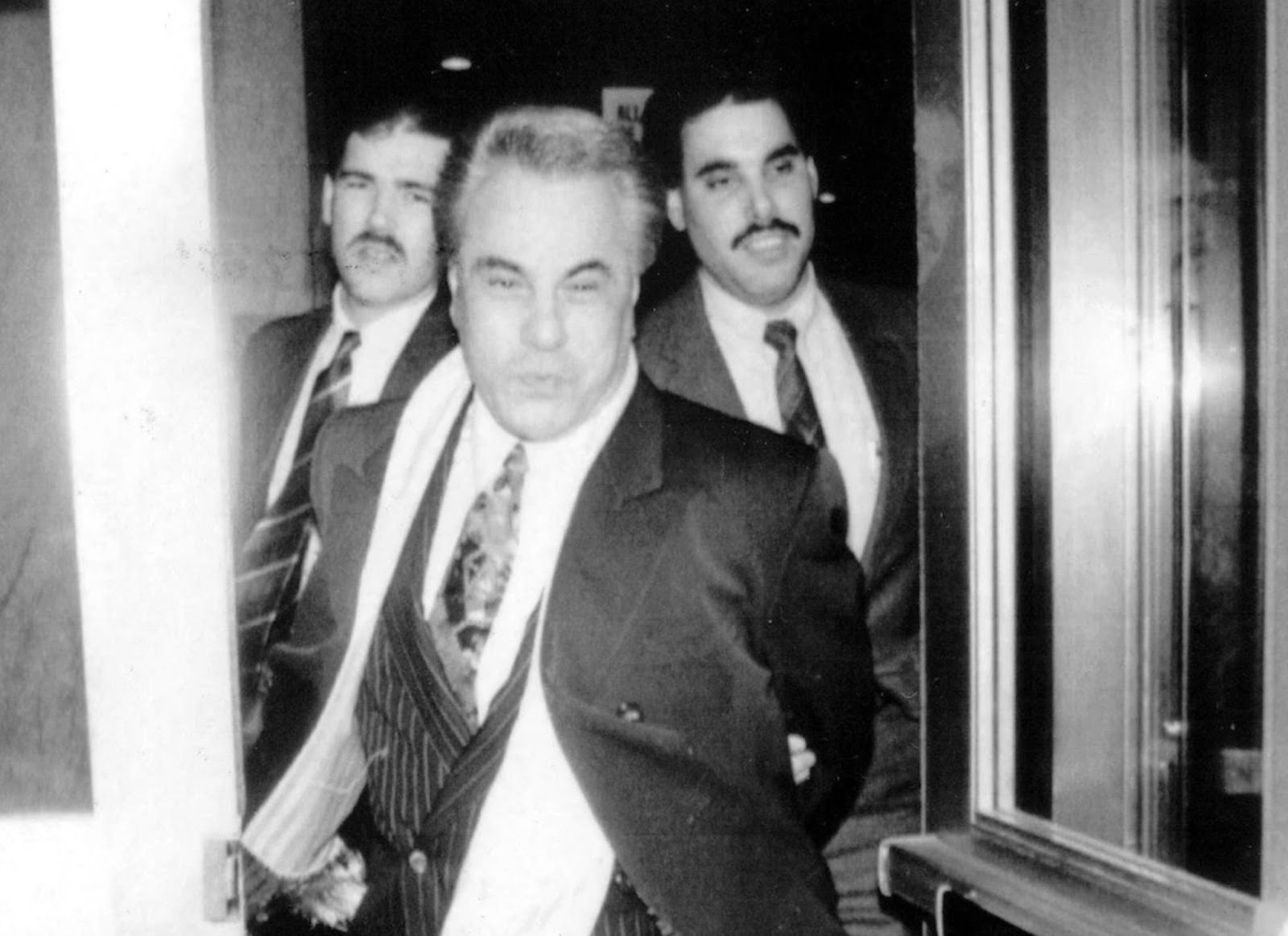
John Gotti was arrested in December 1990 on charges of racketeering. And the murder of Paul Castellano, a mobster who was John’s rival, became one of many predicate offenses, i.e., the first in a chain of criminal activity cases. In total, this was the fourth time the government had attempted to put an end to Gotti’s criminal career, with previous attempts proving unsuccessful.
The then US Attorney Andrew Meloni announced the indictment at a press conference, calling Gotti a murderer rather than a folk hero. He boasted that this time the government’s arguments, including numerous wiretap recordings, were much more convincing than in previous trials.
But Gotti’s lawyer at the time, Bruce Cutler, who had since become a member of the New York Bar Association, refuted the prosecutor’s statement, calling him greedy for publicity and seeking revenge on his client. Cutler’s statement was quoted by four major New York newspapers: the Daily News, News day, New York Post, and New York Times. In addition, Bruce Cutler shared his thoughts on Prime Time Live, a popular television show. Cutler strongly refuted the information that Gotti was a mafia boss.
The thing is, from the moment of arrest until the start of the trial or the issuance of a decision without a trial. The lawyer or law firm involved in the prosecution or defense did not have the right to publish. They did not allow the publication of any extrajudicial statements. The dissemination of which took place through the media. This was especially true in this case.
But Bruce Cutler is not one to be intimidated. He held a spectacular press conference right outside the courthouse. Cutler made several sensational statements. For example, he said that the government had thrown the Constitution out the window, called the prosecution witnesses ordinary homeless people, and mistakenly referred to wiretap recordings made by the government as having been used in previous trials. Cutler’s speech at the press conference that evening made the local news, and by morning he was being quoted in the tabloids.
It was for this that Bruce Cutler received a severe punishment. The district court found him guilty of contempt of court on two specific counts. The court ruled that Cutler was indirectly prohibited from challenging the validity of Judge Glover’s rulings because he had decided to violate those rulings rather than challenge them in court. In addition, the court ruled that certain extrajudicial statements were strictly prohibited under both rulings.
Cutler’s victory — Gotti’s victory
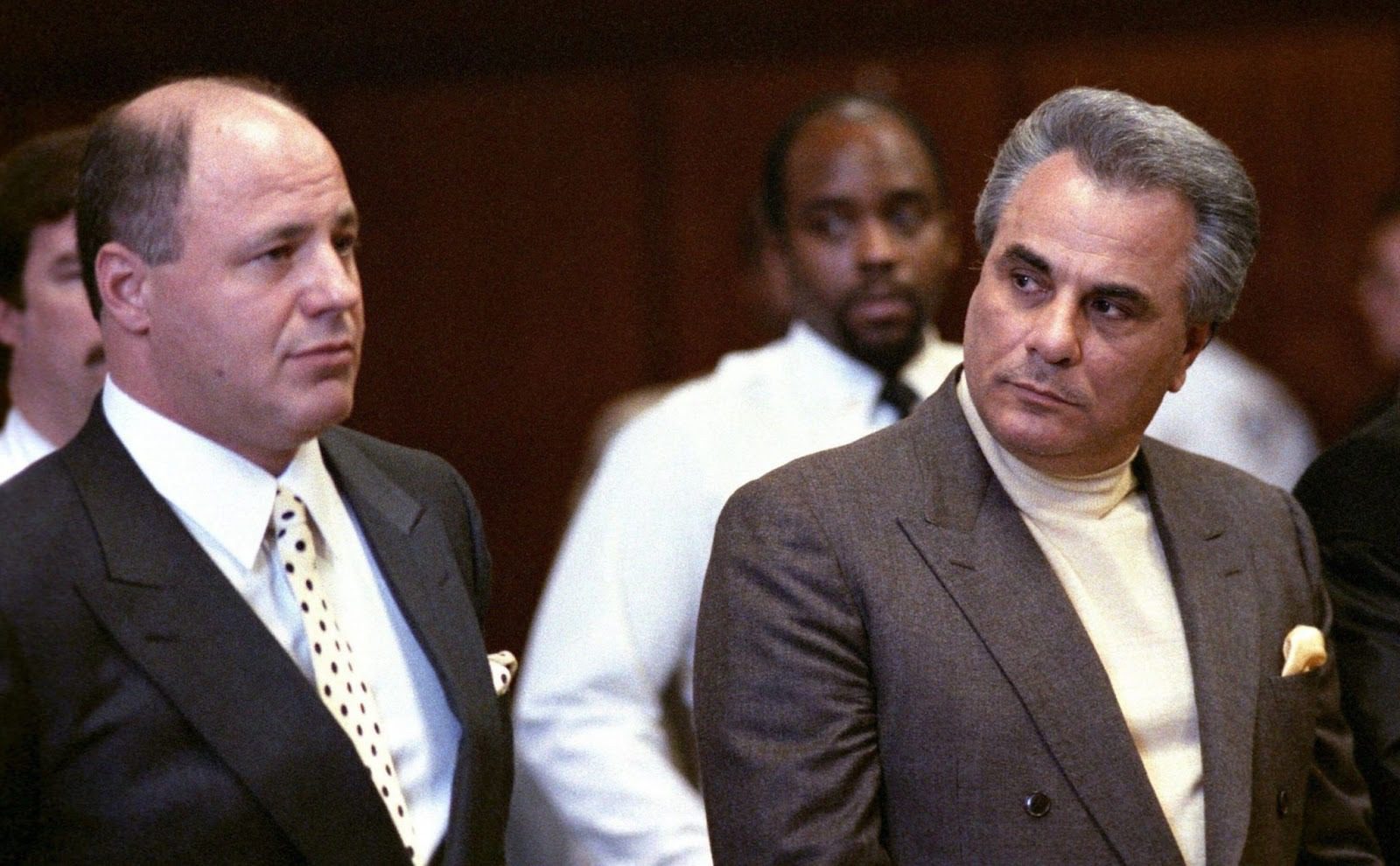
However, for many years, speaking before juries or at the table, speaking into the microphone, Bruce Cutler accused government prosecutors of falsifying wiretap materials, bribing witnesses, and many other corrupt acts. Cutler allowed himself a lot, for example, he called the charges against John Gotti stale stew that should have been thrown in the trash long ago.
To demonstrate his contempt for one of the charges, Cutler once dramatically threw a heavy copy of the indictment into a trash can in front of the stunned jury. As the newspapers of the time wrote, Bruce Cutler, with his hoarse Brooklyn dialect, could take the prosecution’s evidence, twist it, grind it, and pound it until it formed loose pieces that turned into a pile of reasonable doubts.
As a result, Bruce Cutler did achieve acquittals for John Gotti in the 1986, 1987, and 1990 trials, earning his client, long known as “The Honorable Don,” a new nickname: Teflon Don. During these trials, Cutler became a national celebrity. Afterward, he somewhat immodestly claimed that he had achieved his greatest success in the crucible of cross-examination.
Sources: