

The final term as Brooklyn’s District Attorney was not an easy one for Charles “Joe” Hynes. It wasn’t easy for the borough, either, as it left behind a number of questions that might not be answered for years to come. Read about the specific challenges and complexities of his last several terms as the Kings County District Attorney on brooklynski.info.
The Sixth Victory
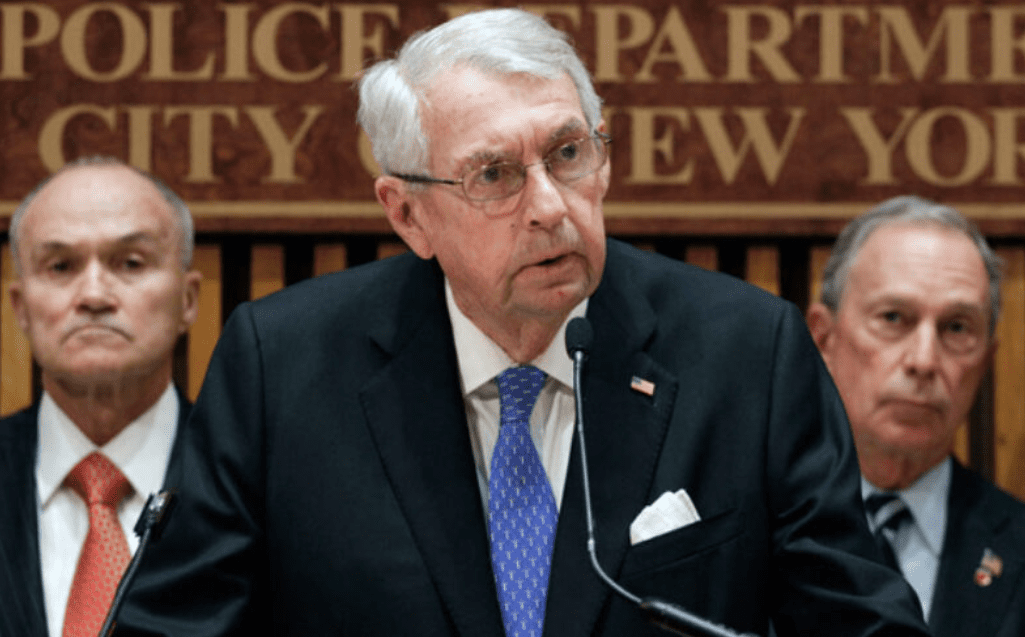
In the spring of 2009, Charles “Joe” Hynes was nearing the end of his fifth term as Brooklyn’s District Attorney. His reputation was mixed. The DA’s office had long been plagued by accusations of cronyism. Later, his key witness in a high-profile murder case against a former FBI agent gave false testimony, forcing the prosecutor to drop the charges. At the time, Hynes was 74 years old. He decided that his accomplishments outweighed his shortcomings in the eyes of Brooklyn voters and chose to run for a sixth term. The campaign was easy; no one ran against him.
But that easily won sixth term turned out to be so riddled with problems and embarrassment that it could very well have stained his entire career.
One of Hynes’s most senior and experienced assistants, Michael Vecchione, was accused of concealing evidence and encouraging a murder suspect to perjure himself, which led to a $150 million lawsuit. During the proceedings of this lawsuit, Hynes’s office was often publicly portrayed as a dishonest operation where misconduct was not only condoned but actively encouraged.
A homicide detective who worked closely with the office came under fire after Hynes agreed to overturn a 23-year-old murder conviction based on the detective’s flawed work. Hynes eventually agreed to review approximately 50 cases that the detective had worked on with Brooklyn prosecutors to determine if others had been wrongfully convicted and imprisoned. The New York Times published a series of scathing stories about how the District Attorney’s office showed favoritism towards sexual offenders in Brooklyn’s politically influential Orthodox Jewish community. The concealment of evidence in a botched rape case led to the resignation of two prosecutors from the office.
The $150 Million Lawsuit
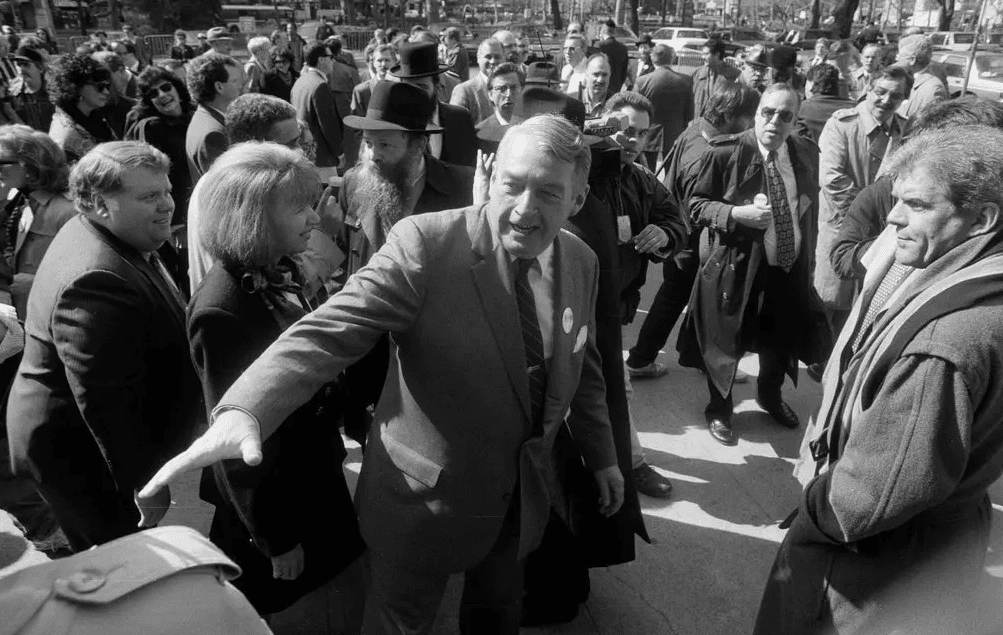
All of these “exploits” didn’t stop Hynes from running for a seventh term in 2013. But it seems this was enough for Brooklyn voters to remove him from office.
The $150 million lawsuit filed against Hynes and his office for the wrongful conviction of a man named Jabbar Collins could have gone on for months, even years. Collins’s attorney accused Hynes of knowingly failing to discipline problematic prosecutors in his office for years. He alleged that Hynes ran a “civil prison” where witnesses were coerced into giving false testimony in criminal cases. He also accused Hynes of protecting Vecchione, the man who prosecuted Collins.
Hynes and Vecchione publicly insisted that they had done nothing wrong and considered the lawsuit baseless. But attorney Joel Rudin provided extensive and lengthy testimony from Hynes’s employees and gained access to once-confidential internal documents.
Another case that was under investigation was that of Louis Scarcella, a detective accused of gross misconduct. There was, of course, no report that anyone was formally cleared or released from prison as a result of the investigation. Hynes was criticized for appointing people who had been involved in his campaigns for years to the panel of 12 lawyers and judges tasked with overseeing the Scarcella investigation.
Scarcella insisted that he had worked with integrity and never framed anyone during his more than two-decade career as a detective.
The future of the Conviction Integrity Unit that Hynes created also remained uncertain. The unit, designed to review any legitimate challenges to convictions from the office, was compromised in at least one case when it abruptly lost its head, John O’Mara.
Answering the Tough Questions
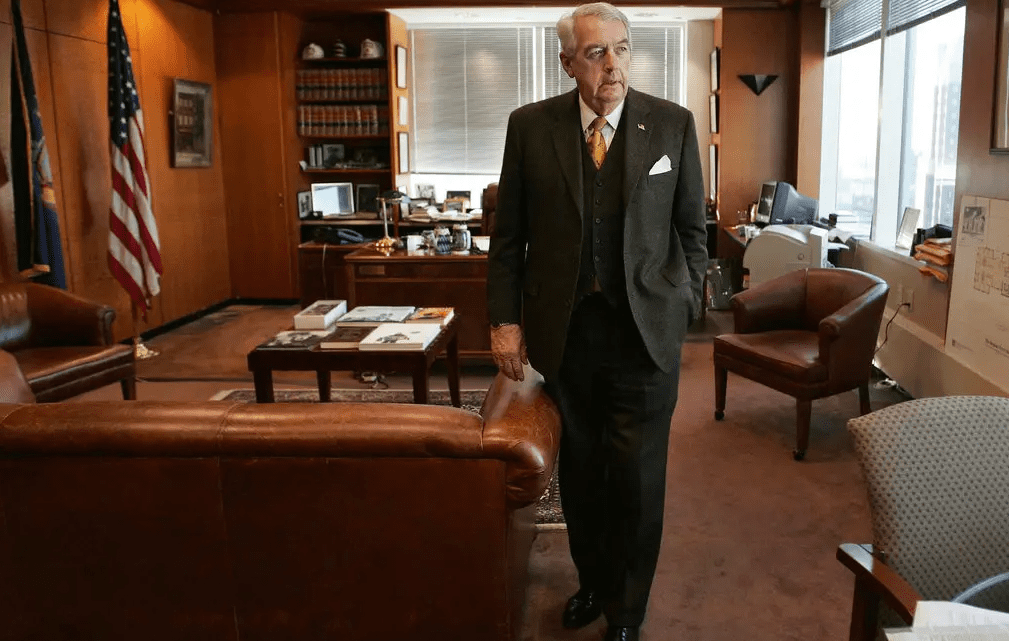
The unit was working in tandem with Anthony Mayol, an attorney representing a man named Jonathan Fleming. Fleming was a Brooklyn resident who was serving his 23rd year in prison for a murder he said he did not commit. Members of O’Mara’s unit traveled to South Carolina with Mayol’s private investigator to interview a new witness. The witness told them that he drove the real killer from the crime scene, and it was not Fleming.
Mayol also stated that O’Mara’s unit found receipts showing that Fleming paid his hotel phone bill in Florida just hours before the murder. This information was not provided to the defense during the trial.
Therefore, it’s not surprising that Hynes was not elected for a seventh term. His successor, Kenneth Thompson, remarked immediately after his election that he intended to add more prosecutors, investigators, and paralegals to the Integrity Unit and also promised to ensure an independent review of dozens of cases involving Mr. Scarcella.