

Jewish immigration to the United States occurred in three major waves, with each group differing significantly in economic, social, and religious backgrounds, as well as in their time and place of origin. Many of these groups began their journey in New York or other port cities before eventually settling in Brooklyn.
New York City today has the second-largest Jewish population in the world after Israel. For centuries, the city has served as a safe haven for Jews fleeing persecution and seeking new opportunities. Even now, New York remains the primary gateway and settlement hub for new Jewish immigrants arriving in the United States. Learn more about Jewish immigration to Brooklyn and its historical impact at brooklynski.info.
The First Jewish Immigrants to New Amsterdam
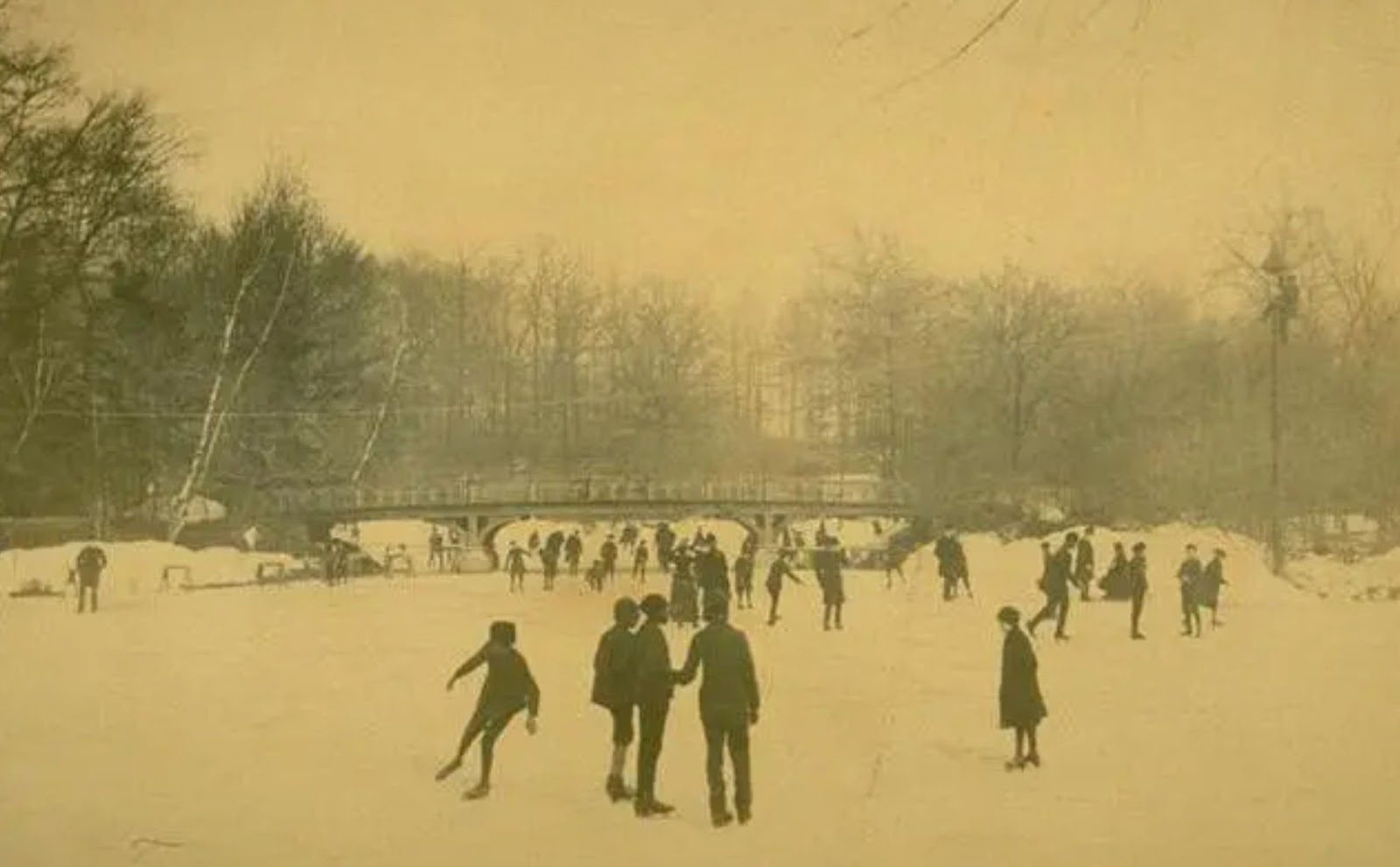
It is difficult to pinpoint exactly where Jews first settled in Brooklyn as Jewish communities moved frequently. Some neighborhoods became long-term homes for Jewish immigrants and continue to thrive today, while in other areas, changing demographics and urban shifts led to their departure.
Today, Yiddish signs and conversations in Williamsburg, Russian-speaking communities in Brighton Beach, and Hebrew in parts of Flatbush and Midwood are a common part of Brooklyn’s soundscape. In Gravesend, well-kept lawns and elegant stucco homes house the tight-knit Syrian Jewish community, a stronghold of Brooklyn’s Arabic-speaking Levantine diaspora.
Brooklyn’s Jewish diversity is striking:
- Some synagogues have female and LGBTQ+ rabbis, while others strictly segregate genders.
- Some Jewish groups are strong Zionists, while others remain opposed to the State of Israel.
- Grand historic synagogues coexist with small storefront shtiebels (informal congregations).
- Jewish organizations host Shabbat dinners, interfaith Seders, and LGBTQ+ singles events.
- Orthodox, Sephardic, and Ashkenazi cultures mix in ways rarely seen elsewhere.
Nearly 400 years have passed since the first Jewish immigrants arrived in New Amsterdam. The first group of 23 Jewish refugees from Recife, Brazil, fled the Portuguese Inquisition and arrived on the ship Sainte Catherine. These early settlers established Congregation Shearith Israel, the first and only Jewish congregation in the United States until 1825.
At the same time, Asser Levy, one of the first Jewish settlers in New Amsterdam, became one of Brooklyn’s first real estate investors.
Congregation Shearith Israel
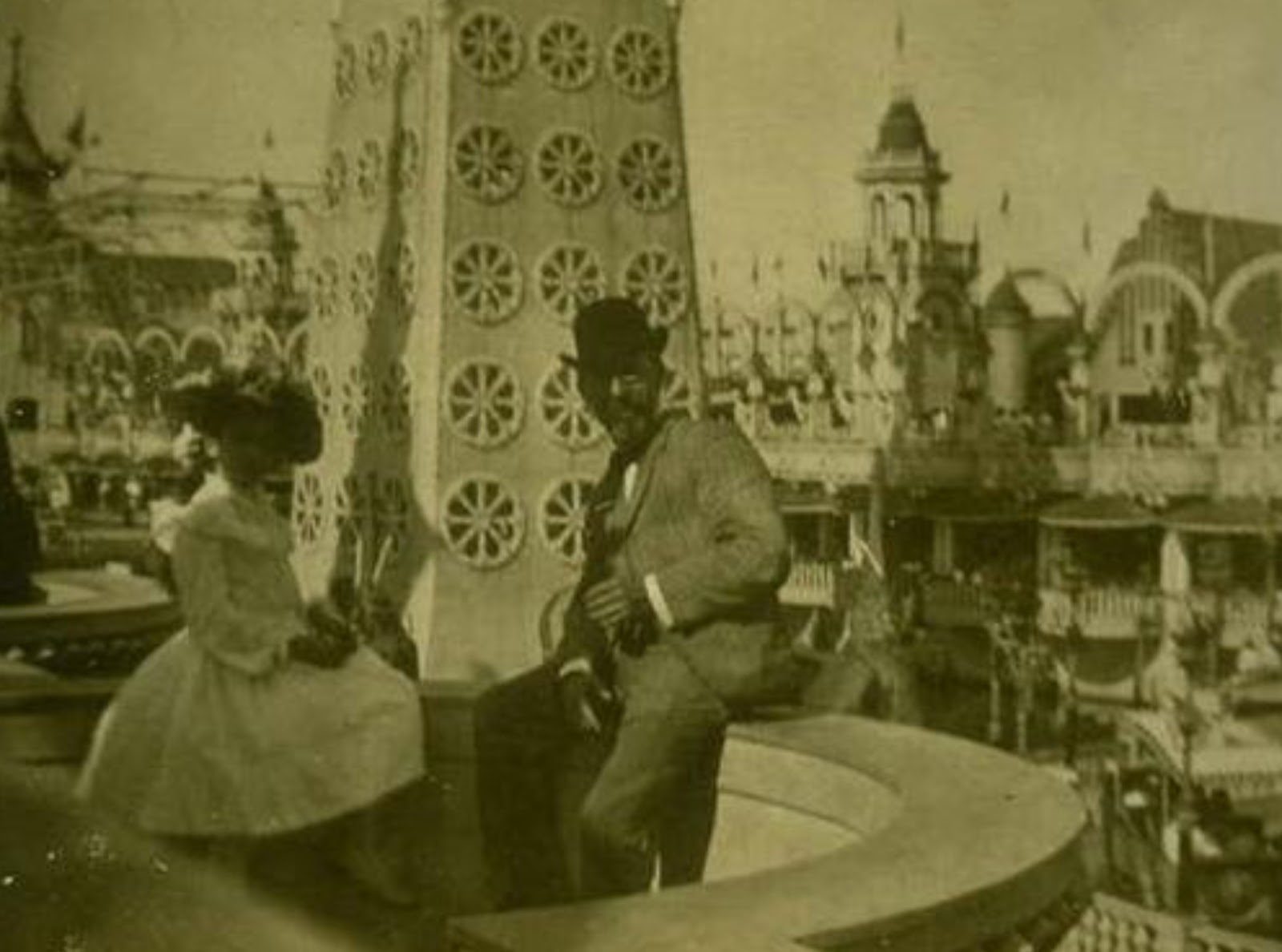
During their first hundred years in America, the Jewish community made significant progress:
- Congregation Shearith Israel acquired land for the Chatham Square Cemetery, the oldest surviving Jewish burial ground in the U.S. The gravestones feature inscriptions in Spanish, Portuguese, and Hebrew.
- In 1730, Jews were finally allowed to worship publicly. Before this, Jewish prayers could only be held in private homes.
- The congregation built New York’s first synagogue on Mill Street in Lower Manhattan.
- By the 1770s, New York’s Jewish population had grown to about 242 people.
In 1683, Kings County was established, named after King Charles II of England. It included six towns that later became Brooklyn’s neighborhoods: Brooklyn, Bushwick, Flatbush, Flatlands, Gravesend, and New Utrecht.
Flatbush, often called the “Heart of Brooklyn” due to its central location, became home to a thriving Jewish community in the 20th century.
The Jewish “Heart of Brooklyn”
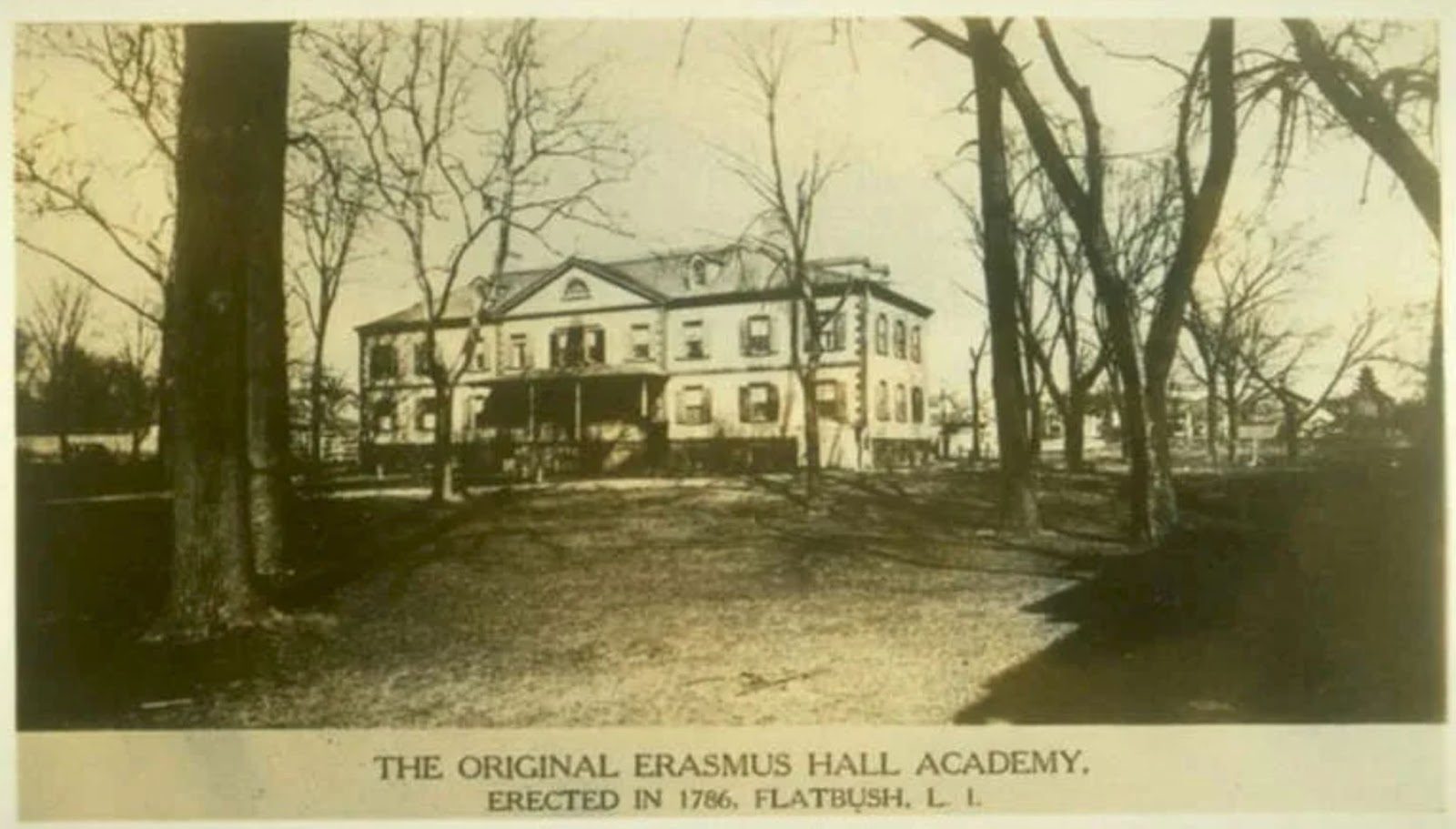
The name Flatbush comes from the Dutch language and means “wooded plain.” It was settled by Europeans in 1634 and remained a rural area throughout the 19th century.
By the early 20th century, the expansion of subway and trolley lines led to a population boom. The neighborhood became home to working-class Irish, Italian, and Jewish families.
Flatbush Jews established Orthodox, Conservative, and Reform institutions, including:
- Yeshiva Rabbi Chaim Berlin (est. 1904), the oldest Jewish higher education institution in Kings County.
- Mir Yeshiva, which has a heroic history. Founded in 1815 in Belarus, it survived World War II as students and teachers escaped through Siberia to Shanghai, China. In 1950, the yeshiva relocated to Brooklyn’s Flatbush neighborhood.
In the early 1900s, Hannah Hirsch and her neighbors founded Brooklyn’s first Reform Jewish school and congregation: Temple Beth Emeth of Flatbush. The temple was dedicated in 1914. By the 1930s, it had one of the largest men’s clubs in the country, with over 800 members.
During the 1940s, one of its members was Colonel David “Mickey” Marcus, an American-Israeli World War II hero.
By the 1990s, demographic shifts led to the merger of several Reform congregations, forming Temple Beth Emeth v’Ohr Progressive Shaari Zedek. Today, it remains the only Reform congregation in Flatbush.
The Role of Community Security
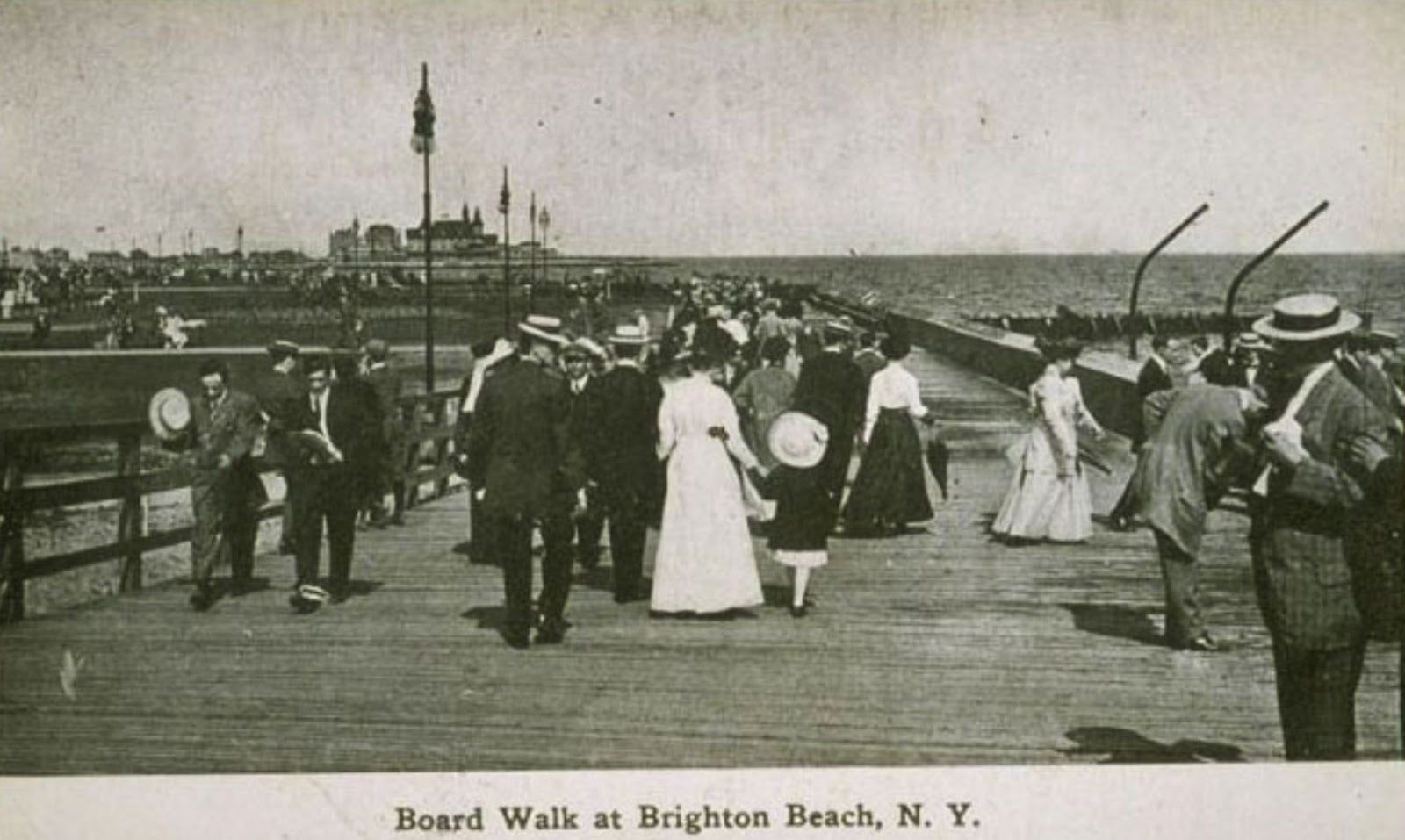
Flatbush is also home to Shomrim, a Jewish volunteer security patrol.
- Shomrim patrols protect Jewish neighborhoods in Brooklyn, London, and other cities from crime and antisemitic attacks.
- Members train with local police and act as liaisons between law enforcement and religious communities.
- They also help locate missing persons.
Challenges Facing Brooklyn’s Jewish Community
Brooklyn’s Jewish community is one of the most diverse and vibrant in the U.S., but it also faces significant challenges.
1. Poverty in Ultra-Orthodox Neighborhoods
- In Hasidic communities, poverty rates reach 43%.
- Large families and limited access to higher education contribute to economic hardship.
- 38% of Jewish households in Brooklyn live below the poverty line—double the overall poverty rate in New York City (19%).
2. Housing Costs and Gentrification
- Rising real estate prices have pushed many Jewish families out of historic neighborhoods.
- Williamsburg, Crown Heights, and Flatbush have seen rapid gentrification, forcing lower-income residents to relocate.
3. Antisemitic Incidents
- Hate crimes against Jews have increased in recent years, with Brooklyn seeing some of the highest numbers in the U.S.
- Jewish organizations continue to advocate for increased security and awareness.
The Resurgence of Jewish Life in Brooklyn
Over the past 15–20 years, Brooklyn’s Jewish population has grown once again. New community organizations and support networks have been created. Flatbush and Midwood have expanded Hatzalah (volunteer ambulance services) and Shomrim patrols. Jewish businesses, synagogues, and schools continue to thrive.
Despite its challenges, Brooklyn remains one of the most important Jewish cultural centers in the world. From Asser Levy’s first real estate purchase in New Amsterdam to today’s diverse, resilient Jewish communities, Brooklyn’s Jewish history continues to evolve.