

Humanity, as we know, has never been particularly restrained when it comes to dancing. At first, these were quite spontaneous, almost primal movements around a campfire in a cave—without mirrors, choreographers, and certainly without critics. Then dance cautiously ventured out onto city streets, where it began to take on social significance, and eventually “settled” in specially designated spaces—dance halls—where humanity gained the legitimate right to twirl in a waltz and demonstrate poise in a mazurka.
When it comes to Brooklyn in this choreographic context, however, the pages of brooklynski.info inevitably force us to acknowledge that limiting ourselves to the history of a single dance hall here simply won’t work. Each era stubbornly created its own “dance apartments,” as if testing just how many more architectural forms could be accommodated by the human need for music and partner dancing.
Grand Prospect Hall stands out as an almost textbook example of a historic ballroom. It is a product of the late 19th century, when dance halls exuded grandeur, chandeliers, and a sense of solemn purpose. Next is the Biltmore Ballroom—with a history far less steeped in waltzing, but with the distinct character of the 1990s and the role of an almost sacred space for New York’s Caribbean diaspora, where dance has long ceased to be merely entertainment and has become the language of the community.
And finally, Vale Ballroom—a modern, almost ostentatiously stylized space where dance coexists with design, branded events, and that new urban culture where even a party has its own art director.
Brooklyn to the rhythm of a waltz
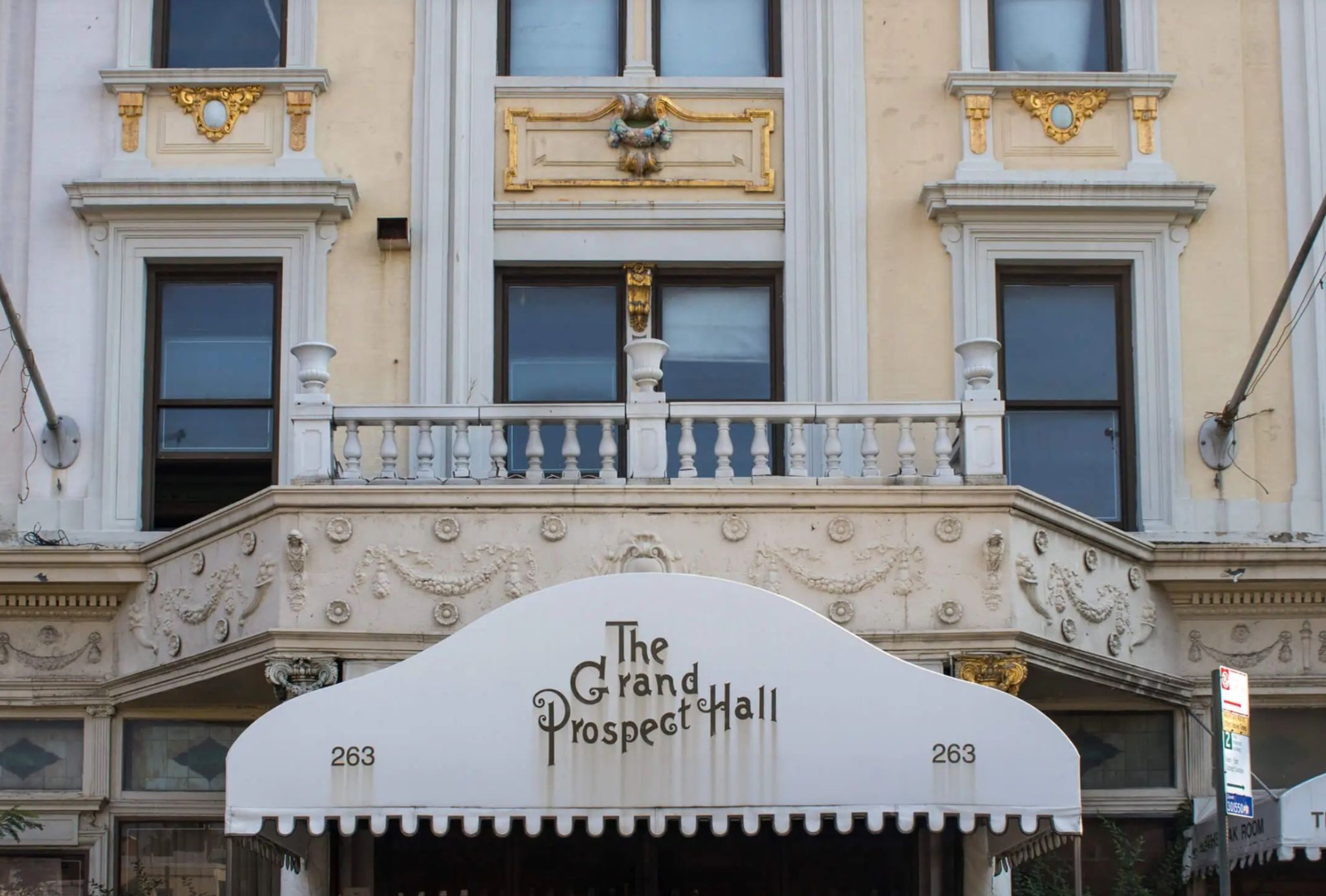
The history of Grand Prospect Hall dates back to the late 19th century, although the hall did not take on its final, almost legendary appearance until after its renovation in the early 20th century. In 1900, a major fire broke out: Grand Prospect Hall was destroyed, but it was rebuilt just three years later.
And so this almost theatrical palace of social life came into being. It was originally conceived as a space for gatherings, balls, and social events—in other words, for everything that people today would call “networking,” but without coffee in paper cups.
And indeed, balls, weddings, charity events, and local community gatherings took place here—all with a solemnity that now seems a bit comical but was then regarded as the norm of civilized life. The dances performed were mostly those that required discipline and posture: waltzes, polkas, and quadrilles—dances where one could still hide one’s personality behind the correct angle of the elbow and a practiced step.
Fashion evolved alongside the city itself. While it initially resembled a “European salon in the New World,” over time the space began to take on the increasingly diverse forms of urban life: wedding receptions, mass celebrations, and corporate parties—long before the term became a dirty word. People came here not so much to dance “properly” as to dance together—which, as we all know, is always much more fun.
The building’s history, as is often the case with grand halls, came to an end without much fanfare, but with a directness typical of Brooklyn: times had changed, tastes had changed, and even the most opulent interiors gradually became more of a memory than a functional space. In the 21st century, the building lost its original purpose, long existing as a shadow of its former glory, and was eventually dismantled in 2021.
And yet, in the city’s collective memory, the Grand Prospect Hall has remained nothing so much as a symbol of that era, when dance was neither content nor an event, but a way to bring people together in one space. For a time, it united them with the idea that the world could move to the beat of a waltz.
Brooklyn is going all out: the vibe at the Biltmore Ballroom
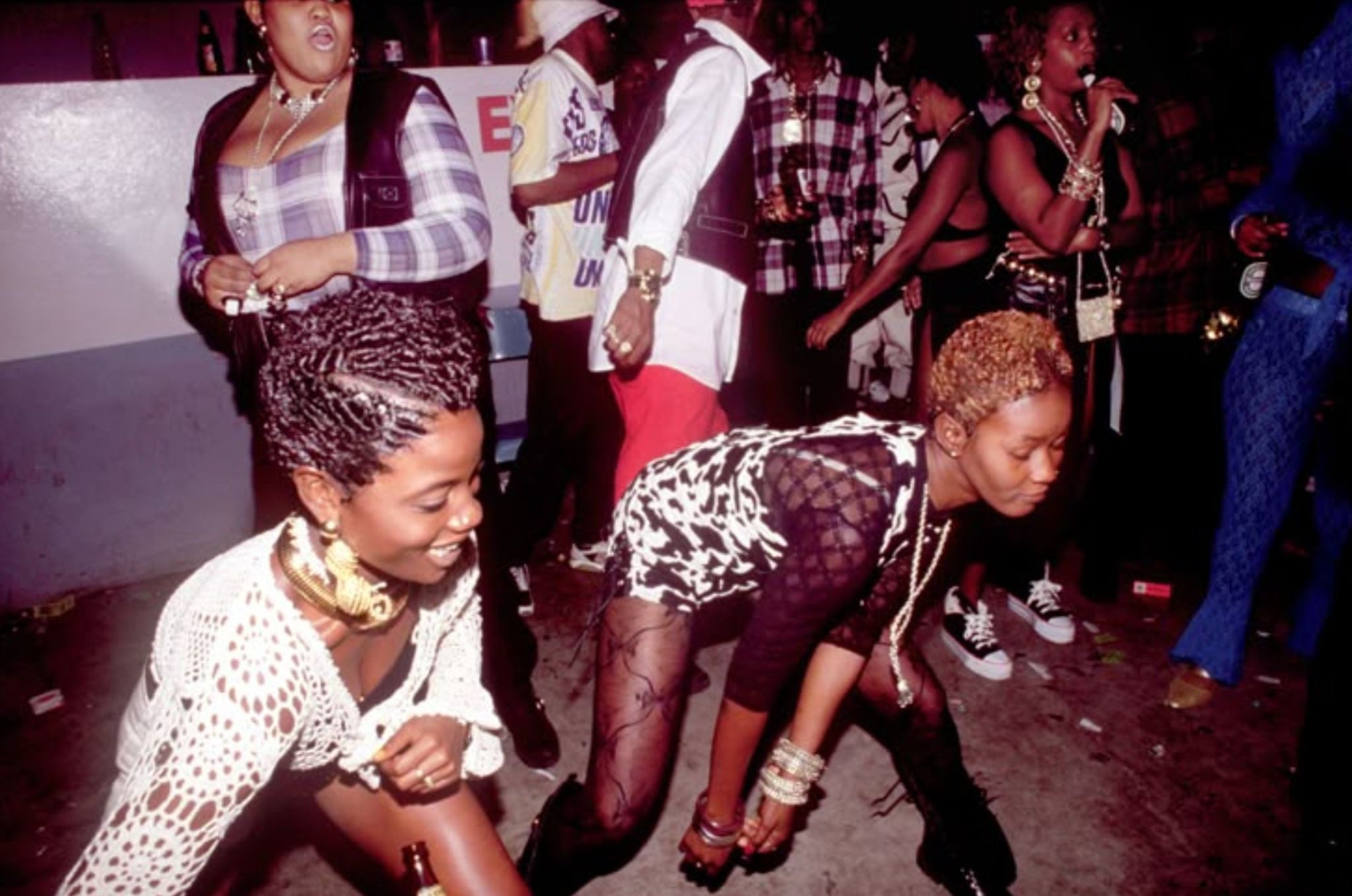
The Biltmore Ballroom emerges from a completely different historical context. It’s much less about “refined elegance” and much more about the urban pulse—one that isn’t particularly interested in manners, but responds perfectly to rhythm. While earlier ballrooms still tried to look like miniature copies of Europe, this story now belongs squarely to Brooklyn.
At the turn of the 1980s and 1990s, the Biltmore Ballroom became one of the key venues on the Caribbean music scene. Here, dancing was no longer about “the right moves” but about identity, sound, and the almost physical necessity of movement. Disco, early hip-hop, dancehall, reggae—all these names were not just genres, but a reason for the floor to cease being a static surface. And it was during this period that the city was no longer just dancing—it was experimenting.
Alongside Caribbean rhythms and club culture, a new urban dance style is taking shape: breakdancing, street styles, and improvisation that resembles a physical conversation more than choreography. And although the Biltmore Ballroom was not a “breakdance hall” in the literal sense, it existed in the very same atmosphere where such forms of movement were perceived as a natural extension of the music, rather than as a separate discipline.
It was a space where social groups interacted far more freely than urban planning textbooks would have allowed. People came here not for a ball, but for an event; not for etiquette, but for energy. And while in the 19th century dance still disciplined the body, at the Biltmore Ballroom it did the opposite—it liberated it, sometimes even excessively so.
Like many iconic urban spaces, the Biltmore Ballroom did not receive a “classic send-off” with a grand farewell. The venue simply turned into commercial real estate, blending into the everyday life of the borough and disappearing from the active cultural map. This is often the case with places where the main action takes place not within the walls, but among people. But in the city’s memory, it remained as one of those spots where Brooklyn, at the turn of the era, really let loose.
Vale Ballroom—a space that embodies the spirit of modern Brooklyn
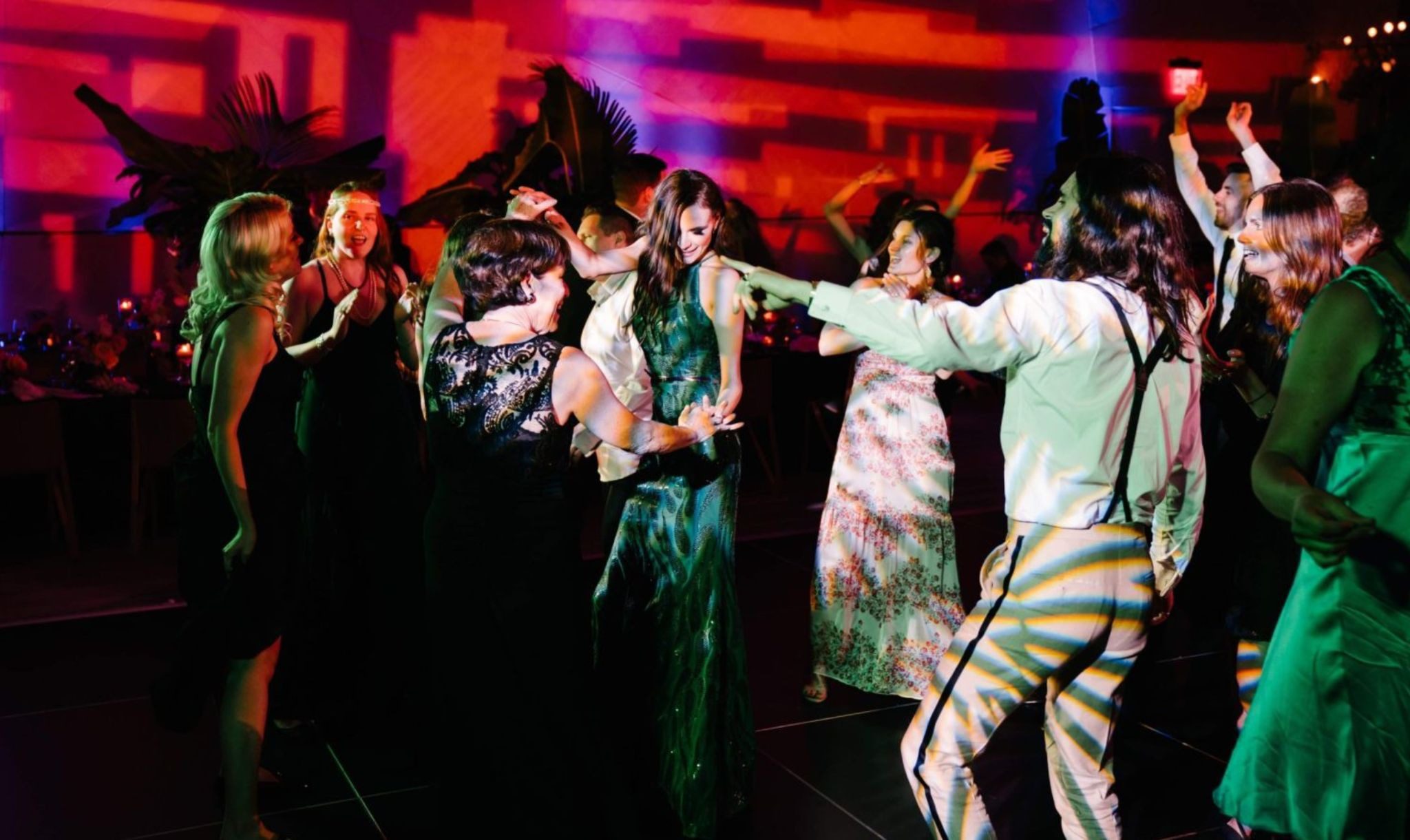
This marks a completely different era for Brooklyn venues, where the word “ballroom” sounds a bit old-fashioned but still clings to life. If Grand Prospect Hall embodied historical grandeur and the Biltmore Ballroom represented a cultural explosion and a fusion of street rhythms, then the Vale Ballroom is all about the controlled aesthetics of the 2010s–2020s, where even chance seems deliberate.
This scene has emerged within the context of modern Williamsburg, which has long since learned how to capitalize on its atmosphere. Here, dance is no longer separate from the event culture itself: it has become an integral part of weddings, corporate events, private parties, and fashion shows. It all follows the same theme: “We celebrate, and we do it in style.”
Dance culture no longer dictates style, as it did in the 19th century, nor does it erupt from the grassroots, as it did in the 1990s. Rather, it adapts. People move to DJ sets, house, pop mixes, or to that very nostalgia, which now sells just as well as craft beverages. Movement is becoming less tradition-oriented and is increasingly translated as self-presentation—but this, in its own way, is also an honest form of modernity.
Vale Ballroom does not claim to be a historical landmark, nor does it embody the cultural revolutionary spirit of the past—but it perfectly serves as a contemporary venue where dance has become an integral part of the urban landscape.
Let’s dance, everyone, let’s dance
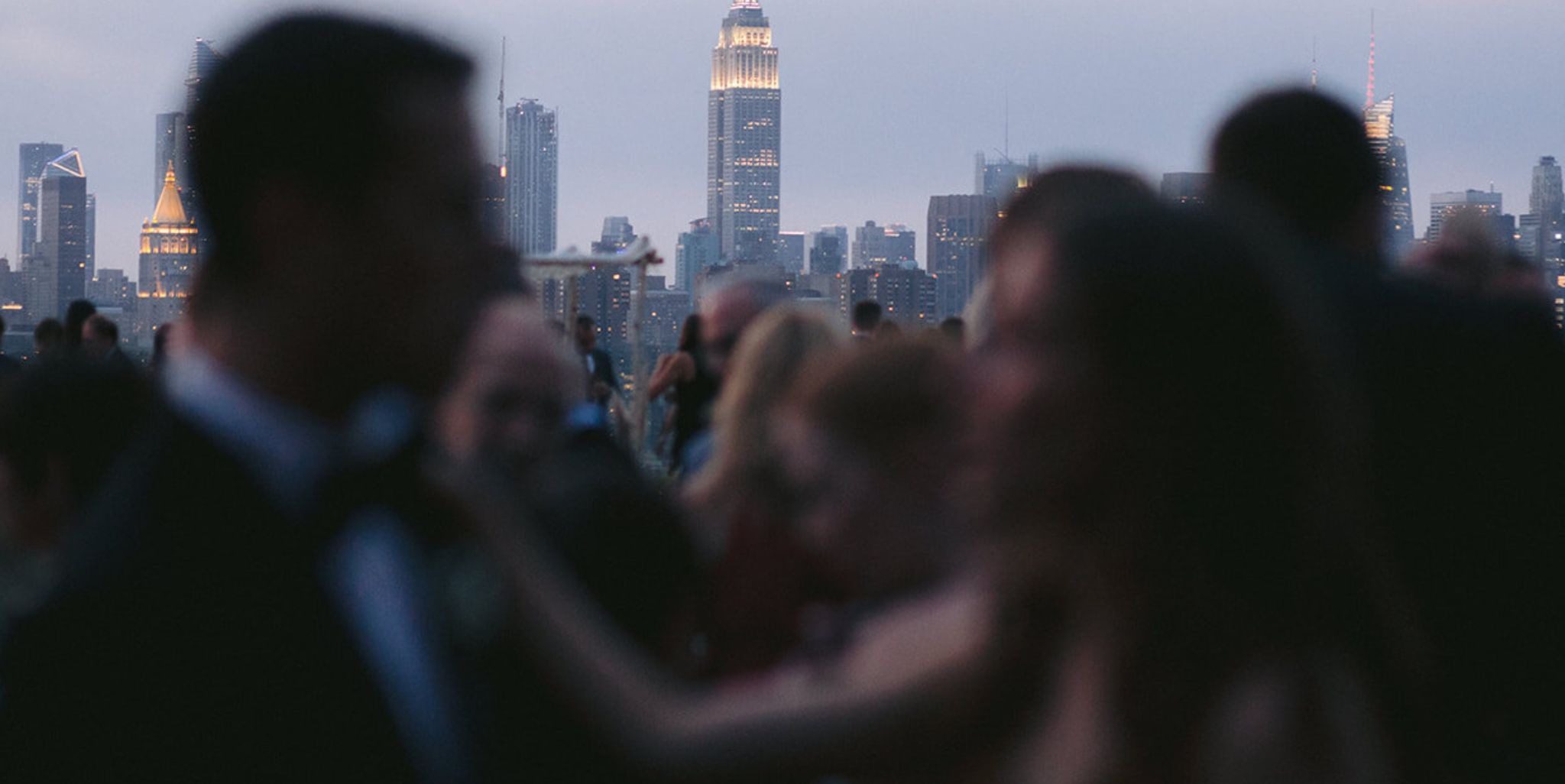
Ultimately, it doesn’t really matter whether it’s a waltz under chandeliers, house music in the dim light, or perfectly staged lighting for a photo. Dance culture has come a long way: at first, dance brought the community together; then it liberated the body, and now it creates content.
Yet, despite all these transformations, the essence of the movement has always come down to something simple—something that comes from the heart and gives people a sense of being alive in the here and now. The Grand Prospect Hall, the Biltmore Ballroom, and the Vale Ballroom all did exactly that in their day—each in its own way, but with the same sincerity.
Sources:
- https://thereggaemuseum.com/back-in-the-dance-the-q-club-biltmore-starlight-ballroom-era-the-rise-of-nyc-dancehall/
- https://www.partyslate.com/event-spaces/1852
- https://www.brownstoner.com/architecture/grand-prospect-hall-brooklyn-history-263-prospect-avenue-architecture-michael-halkias-dreams-come-true/
- https://www.bkmag.com/2025/04/11/walshy-fire-art-of-dancehall-live-brooklyn-history/
- https://www.thewilliamvale.com/venues/vale-ballroom/