

Brooklyn isn’t the kind of city that can do without its own “celebrity graveyard.” After all, we’re talking about a borough of New York, and New York has long functionedas a factory for producing stars, legends, and people whose names are later printed in textbooks, newspapers, or, sadly, on tombstones. And here’s the interesting thing: the status of celebrity doesn’t disappear after death. It’s just that the frenzy of fans on the red carpet is replaced by the quiet strolls of tourists with cameras, fans with flowers, and lovers of strange urban romance along the cemetery paths.
The graves of famous people in Brooklyn have long been an integral part of the local culture. People come here not only to mourn or pay their respects, but also out of curiosity. Because a star isn’t necessarily an actor or a singer. In New York, a star can be an artist, an architect, a politician, an inventor, or even a very talented mobster. All of them have, in one way or another, brought fame to the city. You can read more about Brooklyn’s celebrity graves at brooklynski.info.
Open-air museum
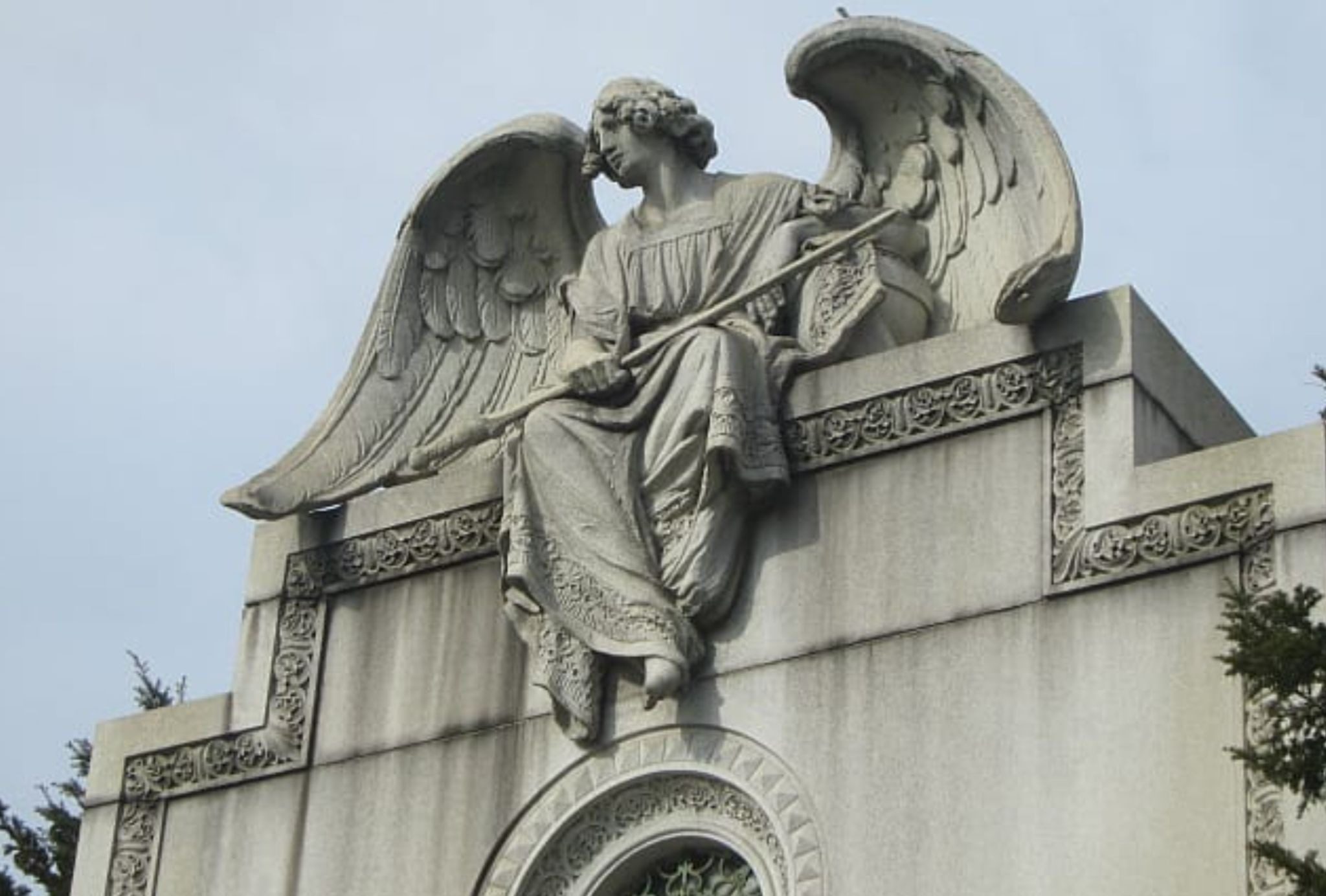
The idea for Green-Wood Cemetery originated as early as the 1830s, when Manhattan’s old city cemeteries could no longer accommodate the growing number of burials. At that time, New York was filling up with immigrants faster than city officials could build infrastructure, and cholera epidemics only made the situation worse. Green-Wood was officially opened in 1838.
The project was conceived by military engineer David Bates Douglass, who decided that a cemetery could be more than just a burial ground—it could be a vast park with hills, lakes, and walking paths. At the time, it was an almost revolutionary idea. Americans suddenly discovered that strolling among mausoleums was a perfectly normal way to spend the weekend.
The location was not chosen by chance. From the hills of Brooklyn, there was a magnificent view of New York Harbor and Manhattan, and the area itself seemed far more romantic than the densely built-up island. In the 19th century, Green-Wood became the second most popular tourist attraction in the United States, second only to Niagara Falls.
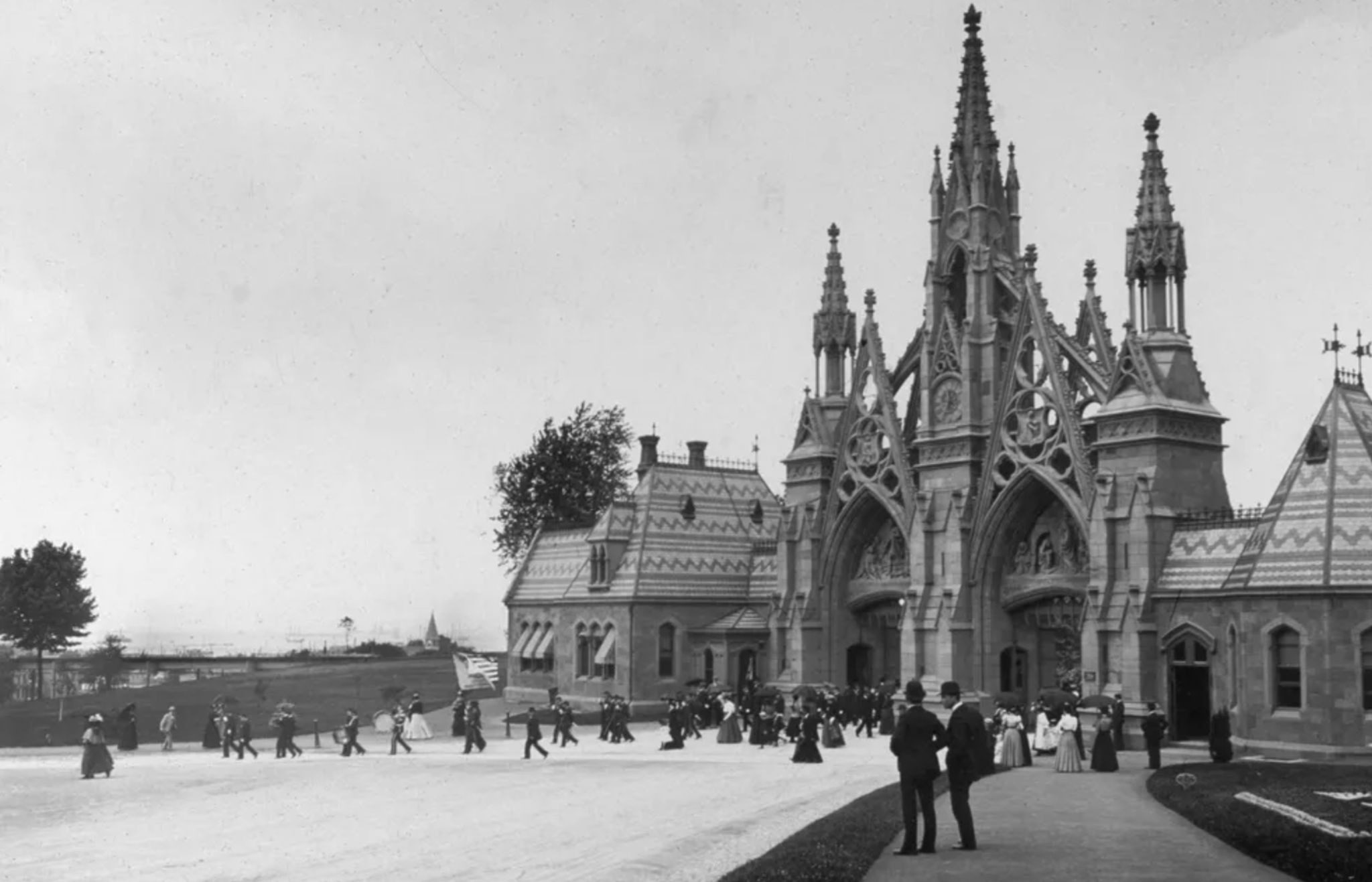
Before Central Park was built, people came here for picnics, walks, and even dates. Back then, death was presented in a much more elegant manner than it is today. The main neo-Gothic gate was built between 1861 and 1865. It was designed by father and son Richard and Richard M. Upjohn. It is this Gothic arch with towers that makes Green-Wood look like the set of a vampire movie directed by someone with very good taste.
Although Green-Wood is not Brooklyn’s oldest cemetery, it became New York’s first truly large “rural cemetery,” embracing the American trend toward this type of layout. This new type of cemetery park, where architecture, nature, and memorial culture functioned as a single space, effectively set the trend for park cemeteries across America.
New York’s Park of Death
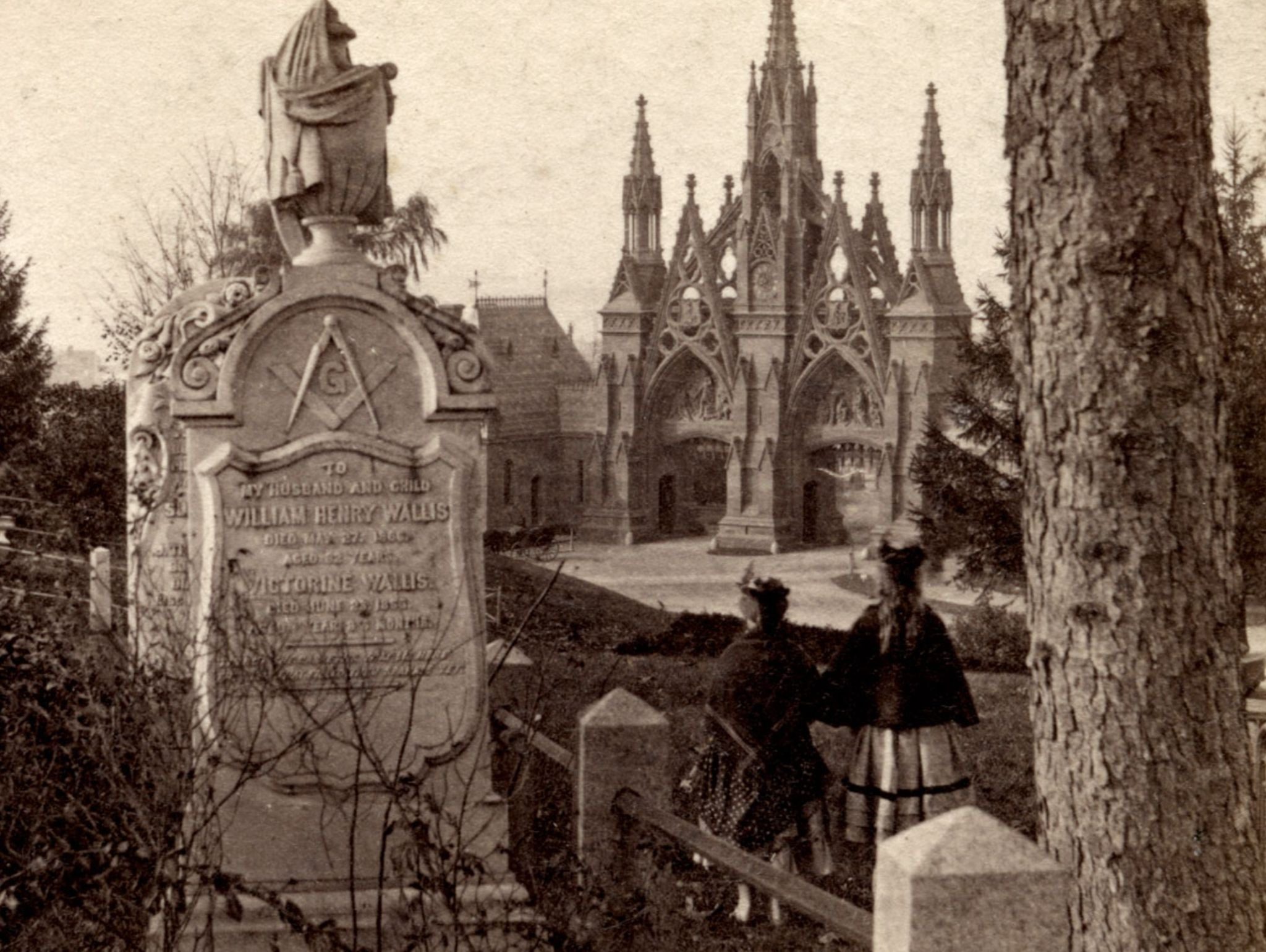
Before we move on to the list of famous people, it’s worth mentioning the main point: Green-Wood Cemetery makes a strange impression even before you see a single famous name on a headstone. This place doesn’t really fit the usual idea of a cemetery. It’s more like a huge park with a Gothic twist, where death, for some reason, looks surprisingly aesthetic.
It all begins at the main entrance—a monumental mid-19th-century Neo-Gothic arch that resembles the gate of an old European university or a set from a Tim Burton film. And it is here that one of Green-Wood’s most remarkable “local celebrities” lives: the wild green monk parakeets. For years, their enormous nests have been located right in the niches of the Gothic towers. According to urban legend, the birds once escaped from a cargo shipment at the New York port and decided that the cemetery’s architecture was the perfect place to live. After all, for New York, that doesn’t even sound strange.
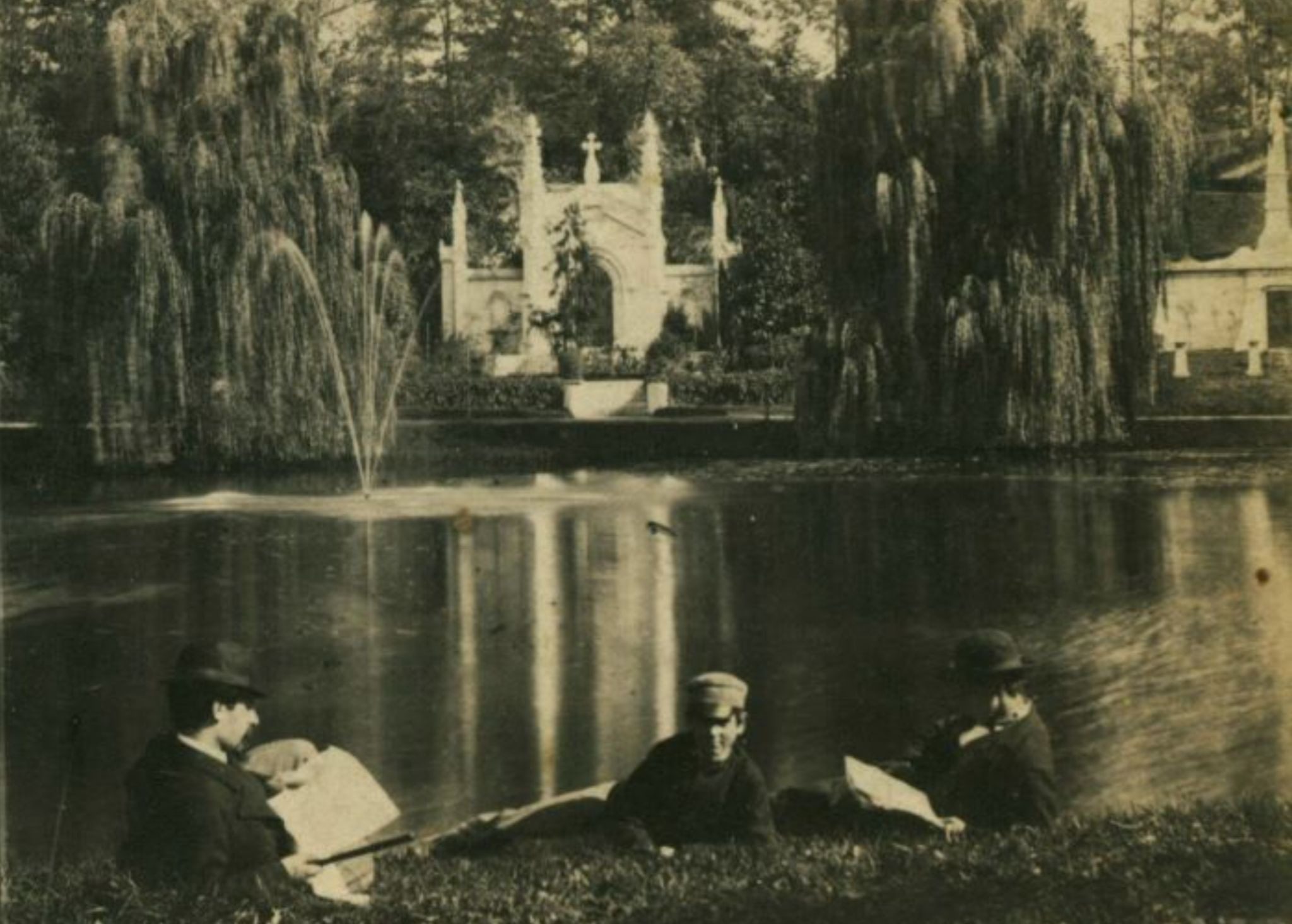
Green-Wood Cemetery covers more than 190 hectares, and in places it resembles a nature reserve. It features lakes, hills, ancient trees, winding paths, and dozens of mausoleums that look more expensive than some Brooklyn apartments. The space was specifically designed as a “landscape park,” so there is almost no linear geometry here: the landscape is constantly changing, revealing new vistas and whimsical architectural details.
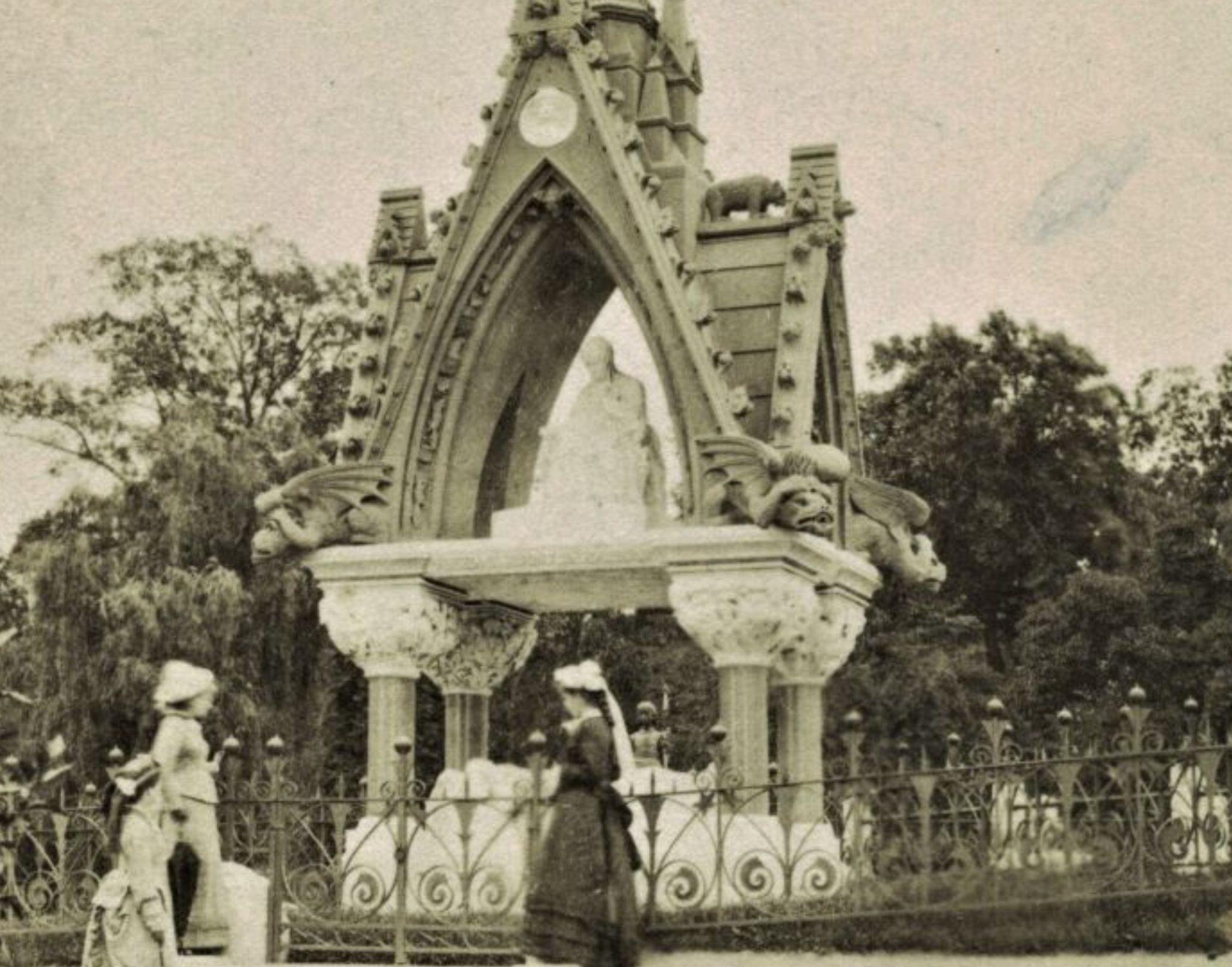
This is where Brooklyn’s highest natural point—Battle Hill—is located. Today, it is simply a picturesque hill with a view of the harbor and Manhattan, but during the American Revolutionary War in 1776, fierce battles raged here between American and British troops. Thus, the cemetery has become a place where New York’s past lies buried in deep layers of history—from revolutionary battles to bohemian burials of the 20th century.
And perhaps the main paradox of Green-Wood is that it is surprisingly quiet here. Despite its proximity to the metropolis, the city’s noise completely fades away behind the treetops. Because of this, the cemetery has long been a favorite spot not only for tourists, but also for photographers, artists, and people who are simply tired of New York’s frantic pace. People come here to experience the city at its most beautiful—without traffic jams, sirens, or rent of $5,000 a month.
Who was buried at Green-Wood Cemetery
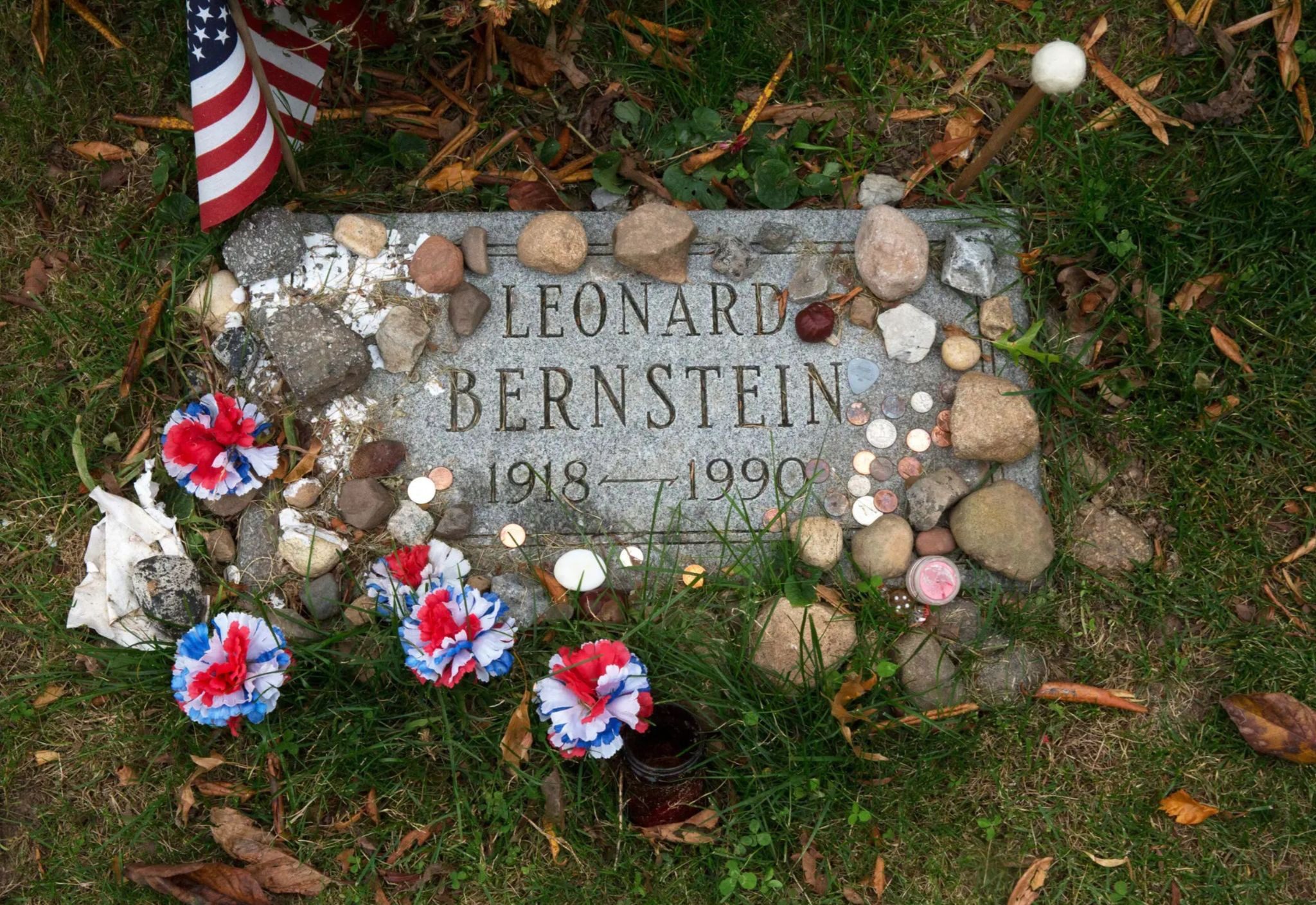
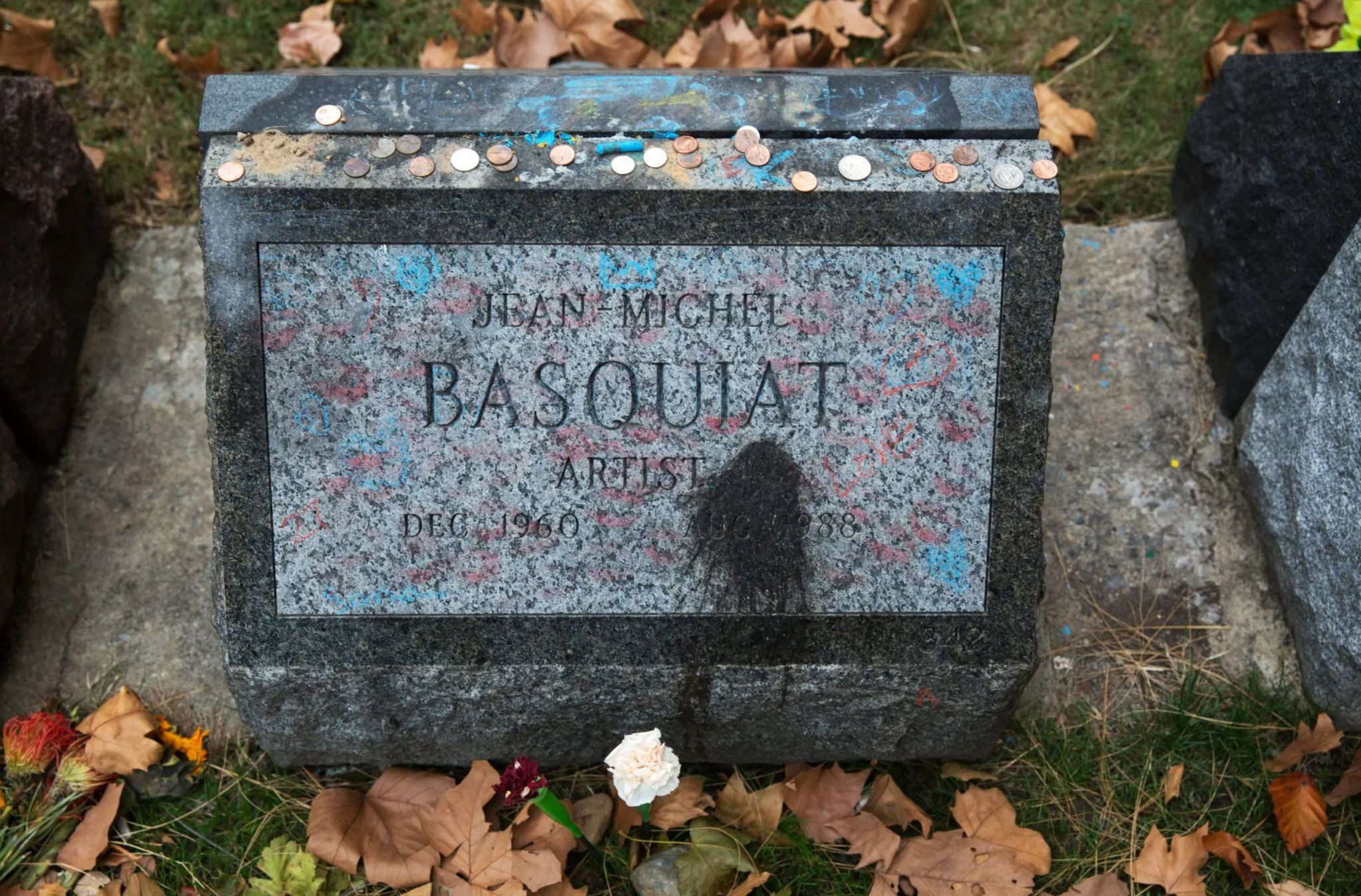
Now let’s talk about the famous—or perhaps “celebrity”—figures who are buried here. Mostly wealthy New Yorkers were buried here: industrialists, politicians, military figures, artists, clergy, and members of old elite families. Over time, this list has become a veritable encyclopedia of American history. Here lie composer Leonard Bernstein, artist Jean-Michel Basquiat, inventor Samuel Morse, designer Louis Comfort Tiffany, and even the legendary mobster Albert Anastasia.
In total, there are now over 580,000 graves at Green-Wood. At one time, a plot here was relatively inexpensive, especially at the start of the project, when the administration actively sold family plots to New York’s middle class. But over time, a burial at Green-Wood became a matter of prestige. In the 19th century, a good plot here served the same function as a penthouse in Manhattan does today: it demonstrated that you had truly succeeded in life.
Today, the necropolis remains a private, non-profit site with the prestigious status of a National Historic Landmark. It is home to the Historic Fund, which is dedicated to preserving its heritage. The cemetery is still in use: people continue to be buried there to this day.
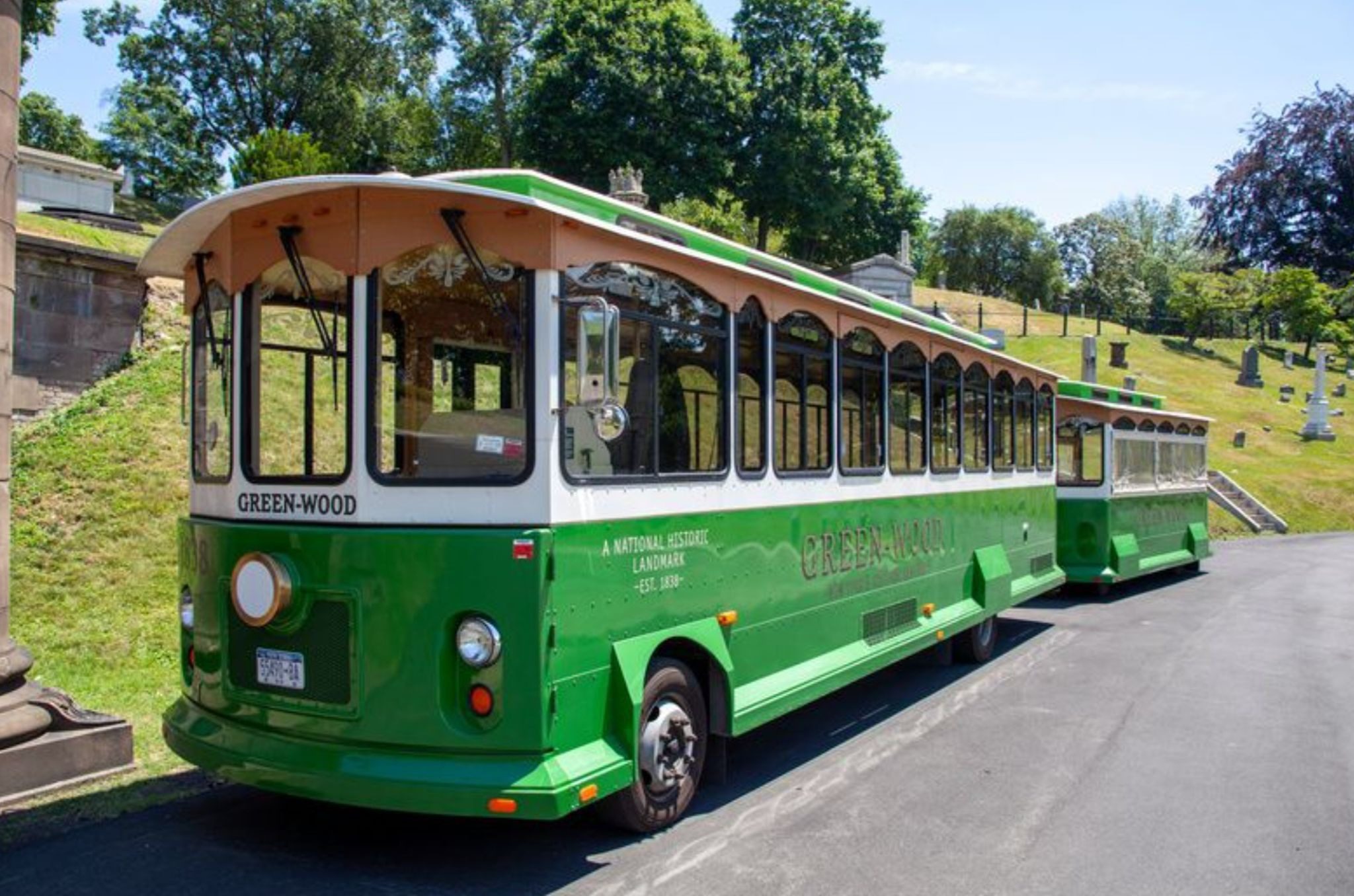
In addition, guided tours, concerts, history lectures, and cultural performances are regularly held here. For modern-day Brooklyn, Green-Wood has long been not only a place of remembrance, but also a vast open-air museum—after all, New York City’s history lies literally at our feet here.
An unusual place, even by New York standards
In a sense, Green-Wood has remained virtually unchanged since the 19th century. Status, reputation, and a prestigious burial site remain an integral part of this place even after death. At the same time, this elite, active necropolis paradoxically continues to function as an open public space.
The combination of solemn memorial silence, a majestic historic park, and a bustling tourist route creates a unique phenomenon. It is precisely this balance between the living and the dead, between history and the present, that makes Green-Wood one of the most remarkable and atmospheric places in New York City.
And while it’s fitting to speak of such places in this vein, this is truly a unique cemetery—strange, beautiful, and utterly Brooklyn-style eclectic.
Sources: