

The world of entertainment never stands still. No sooner has the public grown accustomed to one format than the industry immediately starts coming up with another—one that’s louder, flashier, more expensive, or at least strange enough to make people want to post it on Instagram. A standard concert with a few spotlights and an artist holding a microphone is a thing of the past. Today’s audience wants an atmospheric rooftop with a view of the city at night, a warehouse with techno beats under concrete ceilings, or a light show that feels more like an art installation than a disco. And in this sense, Brooklyn isn’t just keeping up—it has long been at the forefront of this entire urban entertainment aesthetic.
But before diving into this story with brooklynski.info, there’s one thing to understand: these new show formats didn’t emerge because someone was desperate to “revolutionize the entertainment industry.” It’s just that the classic concert hall was increasingly failing to meet the needs of an audience that grew up in the age of Instagram, constant information overload, and collective fatigue from repetitive experiences.
People are no longer satisfied with just a stage and speakers—they need an environment, an atmosphere, and a sense of place. That’s why Brooklyn, with its warehouses, rooftops, industrial landscapes, and laid-back “controlled chaos” aesthetic, turned out to be the perfect setting for the birth of a new concert culture.
What’s replacing traditional concerts
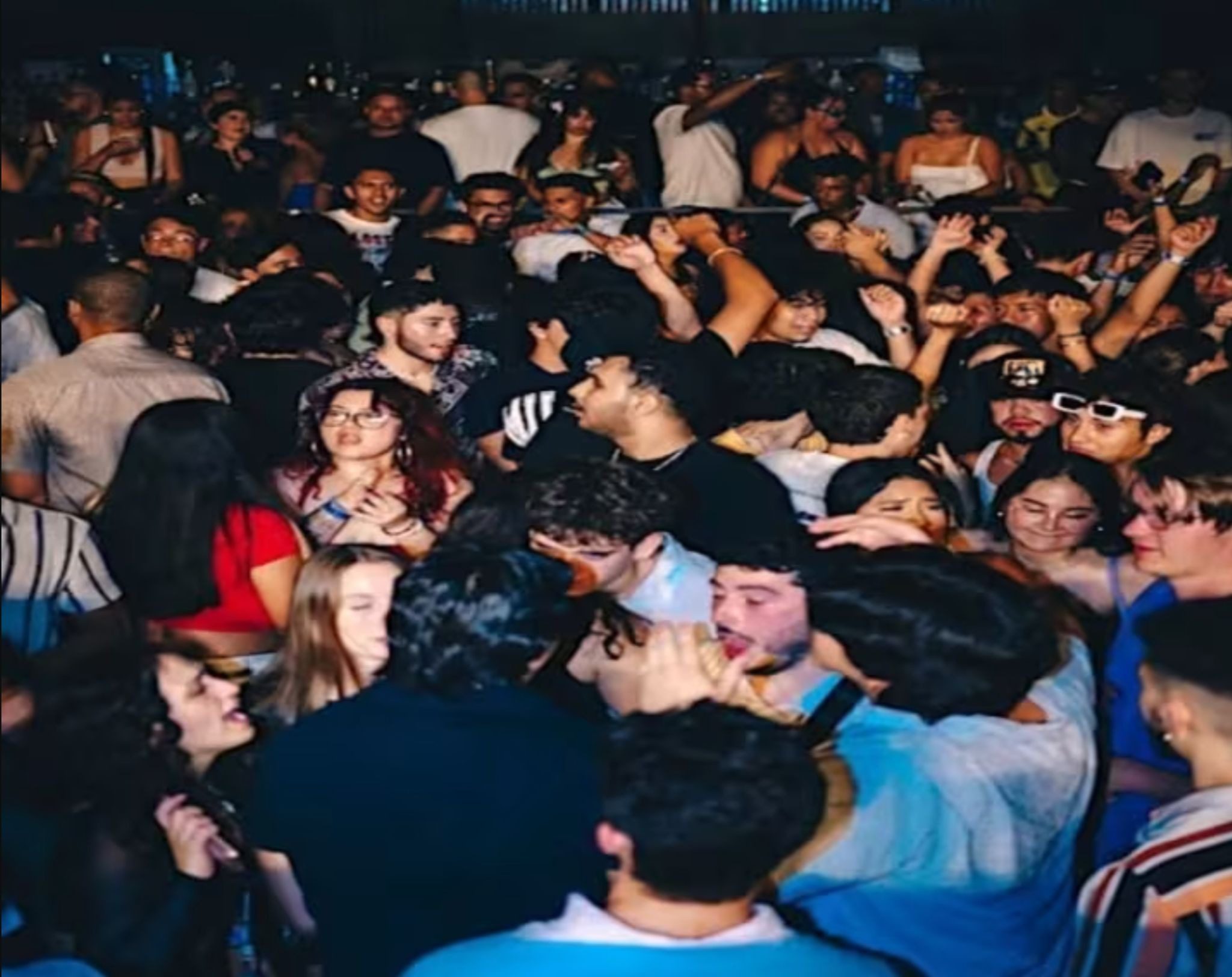
In recent years, the Brooklyn concert scene has come to bear less and less resemblance to the classic “stage-crowd-overpriced bar” model. People here have long understood a simple truth: modern audiences come not just to listen to music. They come for the atmosphere, the photos, and the feeling of being part of something almost cinematic. That is precisely why new show formats have begun to flourish in Brooklyn.
One of the main symbols of the new concert culture has been warehouse shows—parties and performances in former industrial buildings, warehouses, or semi-industrial spaces. From the outside, it sometimes looks as if someone accidentally turned on techno in the middle of an old logistics center, but in reality, there is a rather well-thought-out concept behind this “chaotic” aesthetic.
Huge concrete spaces offer organizers something that a traditional concert hall cannot: freedom. Here, you can set up multi-level lighting, hang giant screens, create art installations, invite performers, or turn a party into an almost theatrical spectacle.
And most importantly, warehouse shows create a sense of “informality.” People don’t come to a sterile concert venue with strict rules of conduct, but rather feel as if they’ve stepped into a temporary parallel world. That’s exactly what the audience loves. Especially the younger crowd, who have long grown tired of overly polished and predictable entertainment formats.
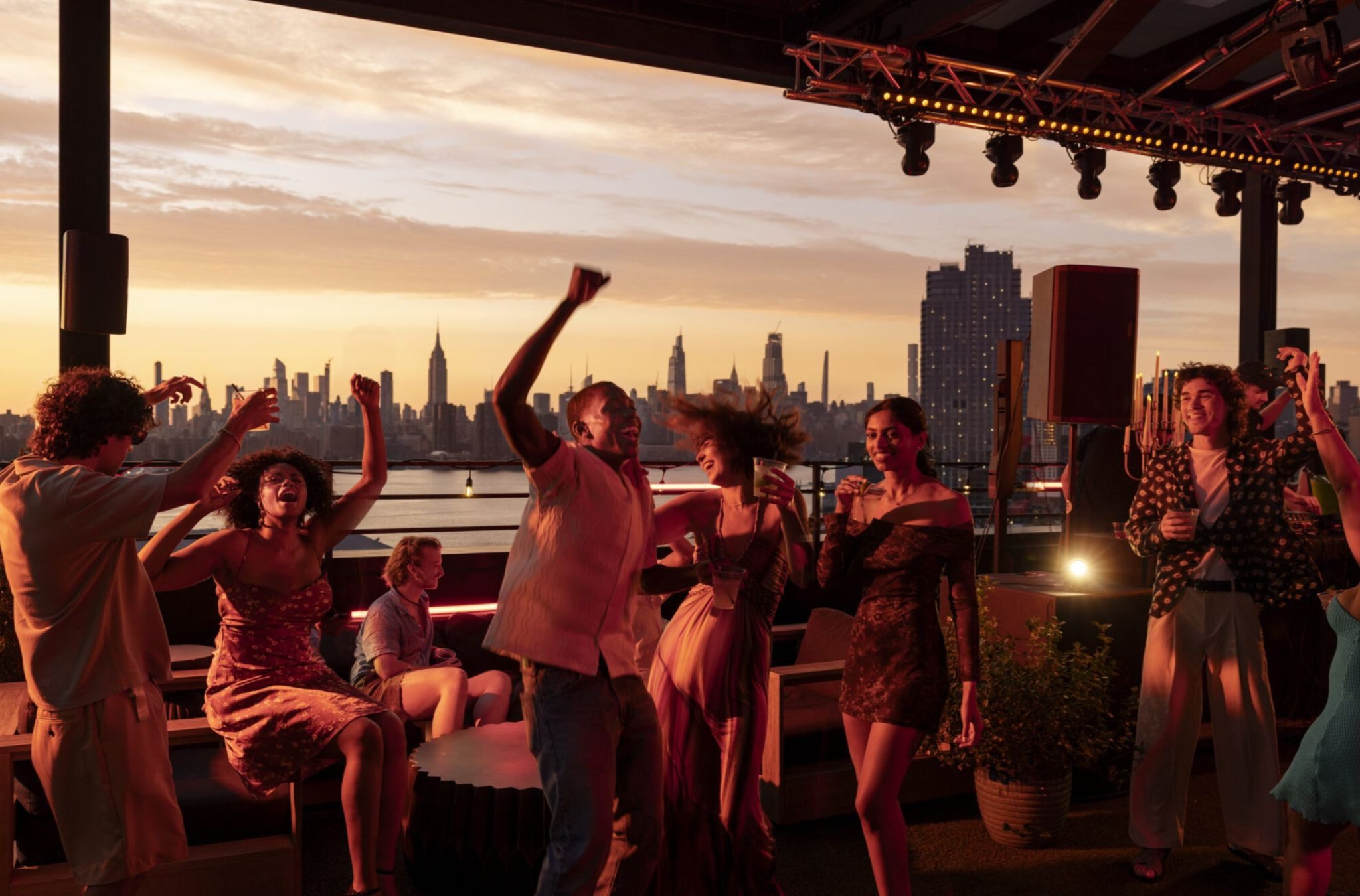
Another major trend is rooftop concerts and what’s known as “sunset culture.” While the warehouse aesthetic plays on a love of industrial chaos, the rooftop scene promotes a completely different vibe—a sense of beautiful and almost carefree city life. The formula here is quite simple: the sunset, the Manhattan skyline, electronic music, cocktails, and people pretending they just happened to stumble into an ad campaign for an expensive lifestyle brand.
As a result, the Brooklyn entertainment industry came to understand the key principle of modern shows: what matters to the audience is not only what they see and hear, but also what they can talk about afterward.
However, the popularity of rooftop concerts isn’t just due to beautiful photos for social media. Since the pandemic, people have come to appreciate open spaces, a less formal atmosphere, and events where music blends with a sense of relaxation. In Brooklyn, this quickly evolved into a distinct culture. Rooftop parties now often start in the afternoon, gradually transitioning into a nighttime DJ set, and feel more like a big-city social ritual than a typical concert.
Places where a new nightlife culture is emerging
All this talk of a “new concert culture” would be rather abstract without specific venues where it actually exists. And Brooklyn, to its credit, has learned to turn concert venues into almost distinct urban brands. People come here not only for the music, but also for a certain atmosphere, aesthetic, and even social status—because in modern New York, the venue of a party sometimes says as much about a person as their wardrobe or neighborhood.
When it comes to warehouse culture, its main symbol for a long time was the legendary Brooklyn Mirage. However, at the end of 2025, the venue went bankrupt and closed, giving way to the global brand Pacha New York. Despite the change in signage, the very concept of a gigantic urban setting for the nightlife of the future hasn’t gone anywhere. Huge metal structures, concrete, massive light screens, and electronic music continue to attract crowds that look as if they’ve just stepped off a “Berlin techno aesthetic” Pinterest board.
It is here that you can clearly see how Brooklyn has learned to market its old industrial heritage not as a problem for the city, but as a style. The former “gloomy industrial zone” remains a trendy cultural destination that tourists from all over the world travel to specifically.
For a completely different vibe, there’s the rooftop scene, and Superior Ingredients has become one of the most notable spots here. It’s a whole different approach to entertainment—less industrial chaos, more beautiful scenery, and “sunset culture.” People come here not just for DJ sets or cocktails, but for the very essence of an evening in New York: the sunset over the Manhattan skyline, warm lighting, slow house music, and an atmosphere that balances somewhere between a party, a fashion photoshoot, and a lifestyle brand ad.
Rooftop culture has essentially become a distinct language of modern urban leisure in Brooklyn—a bit glamorous, a bit ironic, but highly effective at selling people beautiful emotions.
The rebirth of the old rave aesthetic
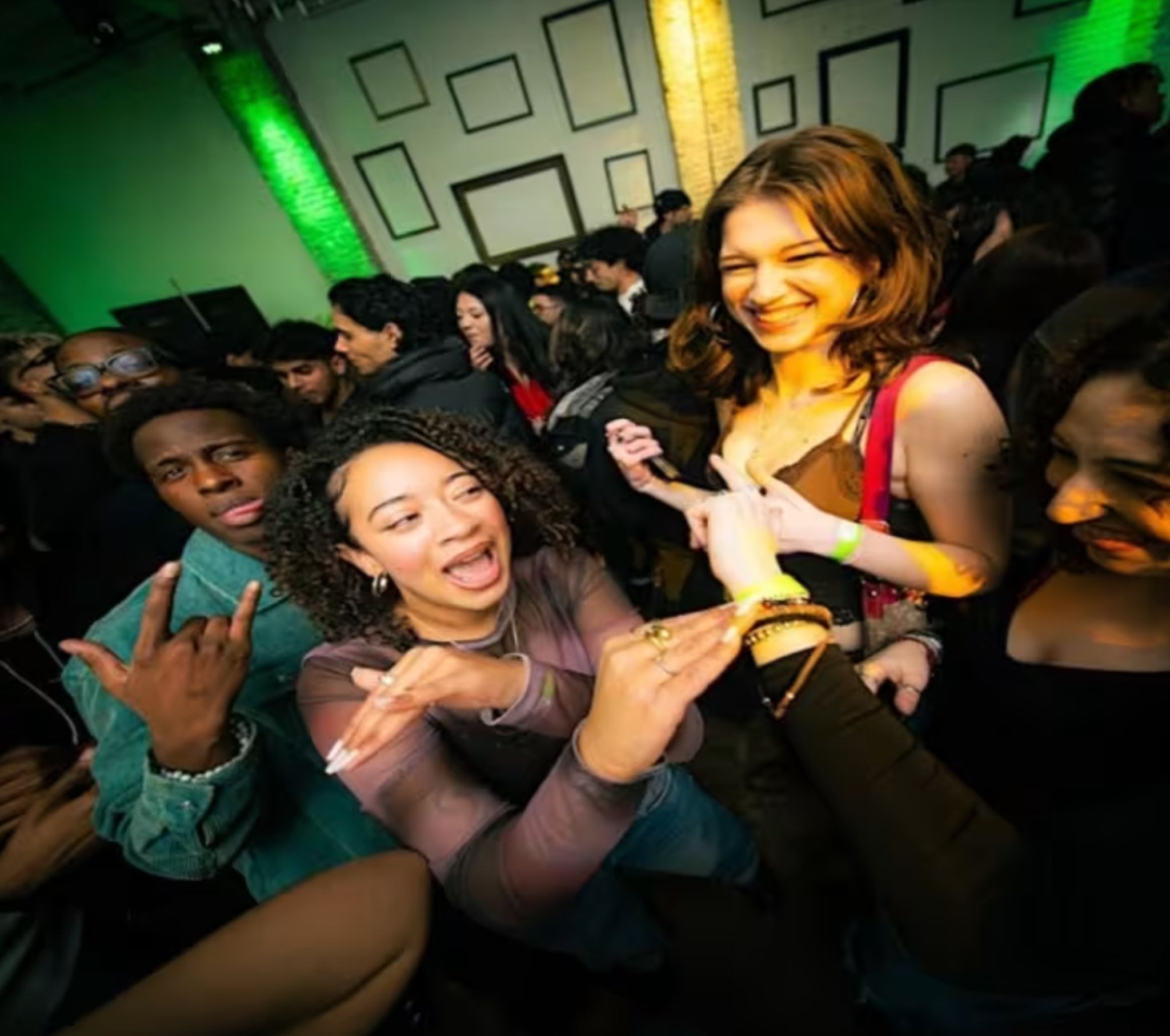
It wouldn’t be entirely fair, however, to pretend that Brooklyn single-handedly invented warehouse parties and the industrial club aesthetic. In fact, the roots of this phenomenon go back to the late 1980s—in Chicago, Detroit, Manchester, and London. It was there that the first major warehouse raves were born: semi-legal parties in warehouses, factories, and abandoned industrial buildings, where early house and techno culture took shape.
The underground scene back then was much less “glamorous” and much less Instagram-friendly—people went there not for beautiful photos, but for the music, the freedom, and the atmosphere of escape from ordinary city life.
But Brooklyn did something else, no less important: it adapted this culture for the 21st century. In fact, it was here that the warehouse aesthetic ceased to be a purely underground phenomenon and transformed into a global entertainment product. The Brooklyn scene learned to combine industrial chaos with commercial appeal, techno with lifestyle culture, and raves with social media marketing.
Instead of a period
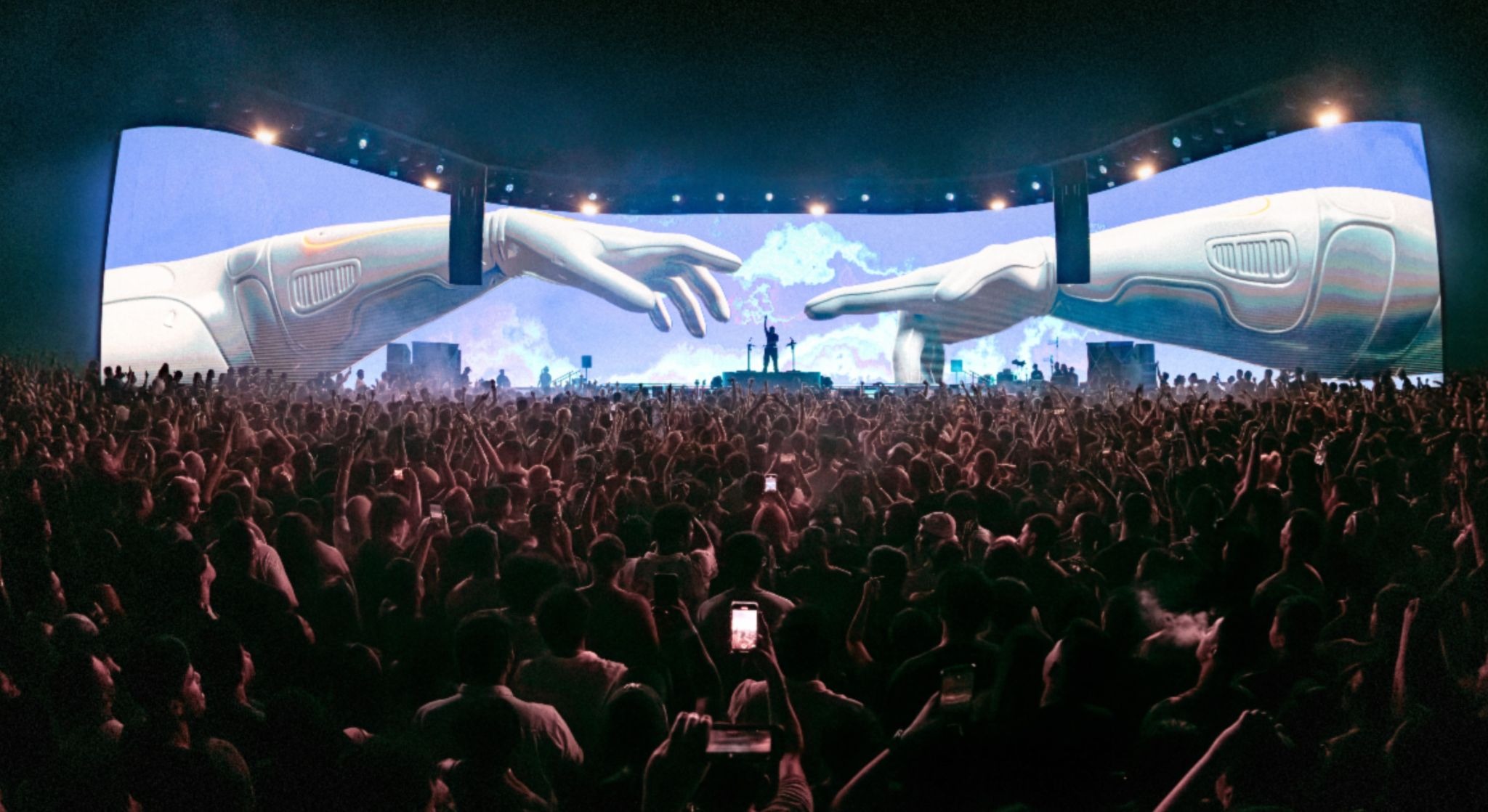
No one would argue that classical concerts haven’t gone anywhere—stadiums continue to draw tens of thousands of people, and major tours remain the main currency of the music industry. But the direction in which the entertainment world is moving is already quite clear: it is becoming increasingly important for audiences not just to listen to music, but to experience it in a large group. And in this sense, it is particularly telling that Brooklyn has now found itself at the forefront of the global history of modern entertainment.
Sources:
- https://feverup.com/m/642422
- https://bushwickdaily.com/news/the-brooklyn-mirage-is-becoming-pacha-new-york-demolition-is-underway-and-shows-start-in-june/
- https://www.unmixed.org/essays-critiques/whats-next-brooklyn-mirage-november-2025
- https://grayarea.co/venues/superior-ingredients-roof
- https://nl.ra.co/events/2230881