

Eleanor Clift was one of Washington’s famous political analysts. She worked for The Daily Beast, Newsweek and wrote four books. She wrote about politics, as well as described the undercover conflicts that often resulted from a divided government. Furthermore, she followed presidential campaigns, using her own unique perspective to analyze the race between the incumbent president and the opposition candidate. Read more about her life on brooklynski.info.
Early career
The woman began working as a secretary at Newsweek magazine in 1963. She was one of the first women to be promoted to a position of a reporter. She was fortunate enough to rise through the ranks to become the magazine’s White House journalist.
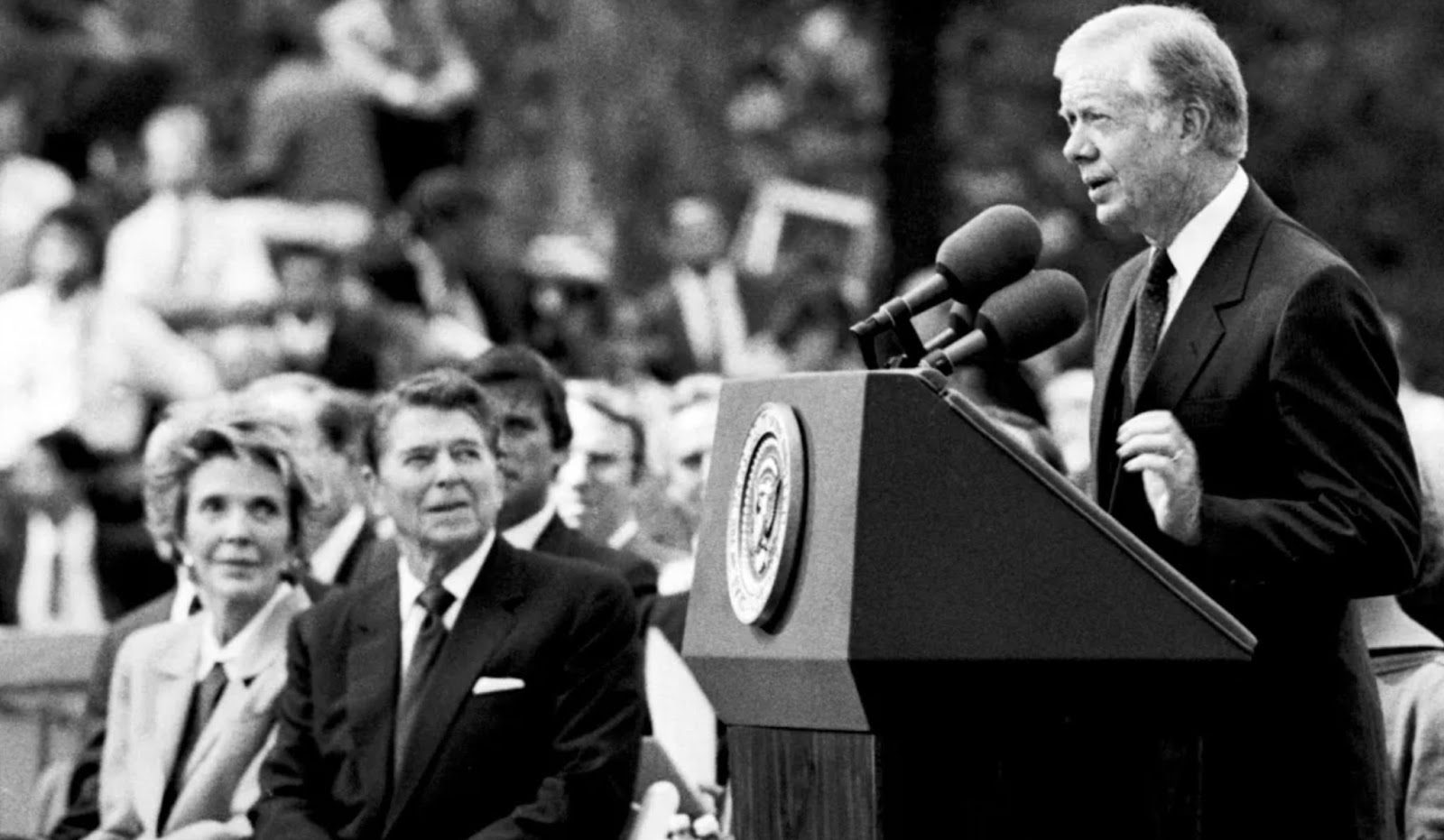
These career metamorphoses occurred during the presidency of Jimmy Carter, the 39th President of the United States, and Ronald Reagan, the 40th President. Before that, as a reporter for Newsweek’s Atlanta bureau, she covered Jimmy Carter’s presidential campaign. She followed him to Washington, D.C. There, she worked until 1985. Then, she left her work to become the White House journalist for The Los Angeles Times.
After Ronald Reagan’s landslide election, she did not leave Newsweek for long. She returned and covered the Iran-Contra affair. Covering presidential campaigns since 1976, she was part of Newsweek’s special projects team during elections, each of which culminated in a book.
Political journalist

The latest among them, A Long Time Coming, was written by Evan Thomas. It was based on the Newsweek team’s reporting about Barack Obama’s historic campaign.
Then, came a new assignment. The woman became the magazine’s political journalist. She held the position successfully for six years. After Clinton’s election in 1992, she returned to the White House. She worked there for the first two years of Bill Clinton’s presidency.
Later, she became a contributing editor at Newsweek with broad authority, focusing on political news and trends. All this time she wrote about local politics, international politics and controversies. She was working in Washington when President Obama was reelected.
She offered exclusively her point of view and her professional analysis. According to various issues related to the work of the administration or its election and re-election, she performed analysis of the struggle between the current president and his successor. At times, the woman had to literally be torn between traditional economic conservatives and the American fiscal-conservative political movement within the Republican Party.
By the way, after Newsweek merged with The Daily Beast under the leadership of the legendary editor Tina Brown, she wrote for both publications. Her cover story on the television show Mad Men won recognition for reflecting the era when women were relegated to the rank of secretaries. When Newsweek was sold, she stayed with the online publication, betting on its digital future rather than the rapidly disappearing printing journalism.
She was a key journalist in 1992, covering Bill Clinton’s campaign from the beginning until his inauguration. That year, she became deputy bureau chief.

Together with her second husband, she co-wrote two books. The first was War Without Bloodshed and the second was Madam President: Shattering the Last Glass Ceiling, published in 2000. She has also written several books of her own, including Founding Sisters, about the passage of the Nineteenth Amendment to the United States Constitution.
Working in the Washington bureau
The adoption of this amendment gave women the right to vote unconditionally throughout the country. One of her last books was published relatively recently. Two Weeks of Life: A Memoir of Love, Death, and Politics was published in 2008. It tells about the loss of a husband, as well as how Americans relate to death. The book Selecting a President was co-written with Matthew Spieler and published in May 2012.
As for her career on TV, she began it in Washington, on the radio station WAMU-FM. The woman took part in The Diane Rehm Show as an invited columnist. The show was broadcast once a week. Eleanor quickly managed to win the sympathy of listeners, as she was quite calm and good-natured, even with the humorous antics of other guests of the radio show.
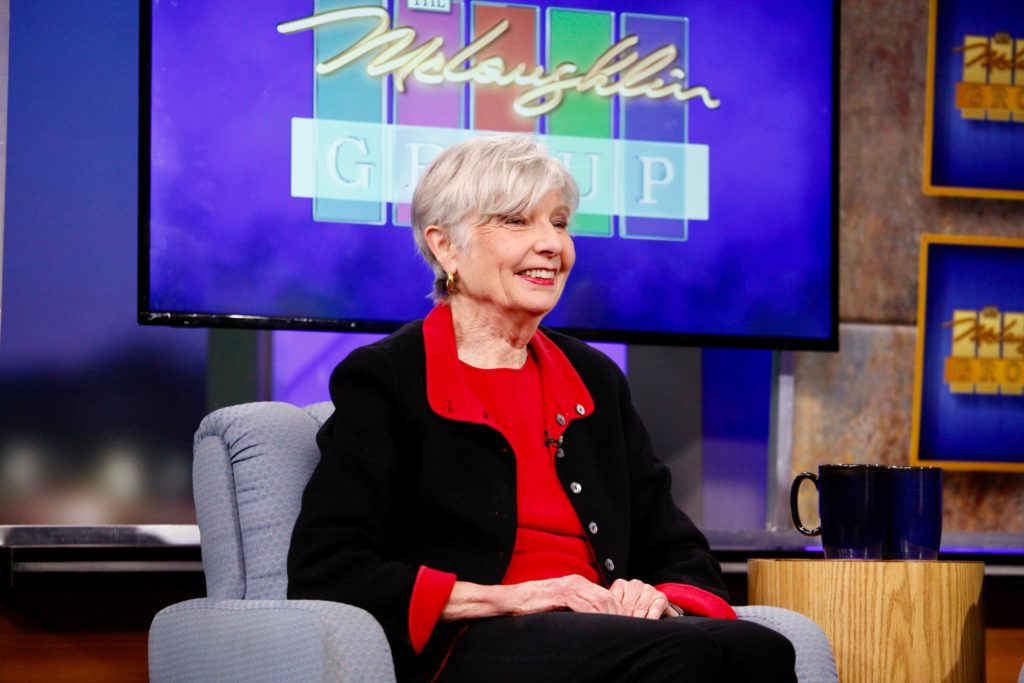
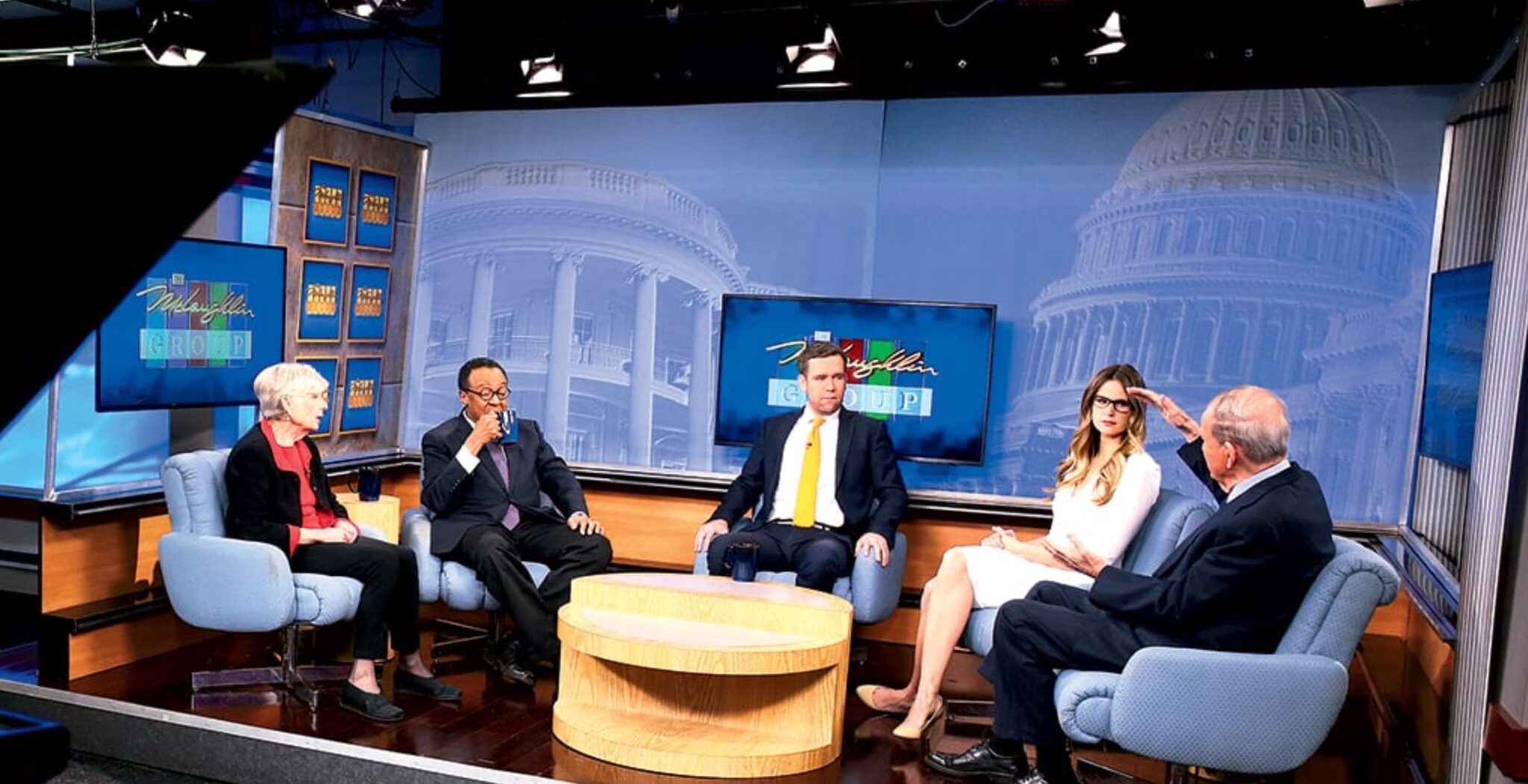
The woman became most famous as a participant in discussions on the show The McLaughlin Group, which recently completed a record thirty-fourth season after the death of the host and creator of the show. She was a regular participant in this show, regularly commented on politics on MSNBC and offered ideas on the Michelangelo Signorile show on SiriusXM radio every Friday. Eleanor called participation in this show ‘a television food fight’.
Participation in various shows led to the fact that she began to be invited to play in films. She starred in Dave, Getting Away with Murder, Independence Day, Rising Sun and the CBS series Murphy Brown. In addition, she was the keynote speaker at the 2012 Energy Summit at Washington & Jefferson College, where the Institutional Energy Index was introduced.
Life after 80
With a vast life and political experience spanning over 80 years, the woman lives in Washington, D.C. She serves on the advisory board of the International Women’s Media Foundation and Journalism Foundation, the Center for Politics and Communication and the American News Women’s Club and on the Board of Governors of the Hospice Foundation of America. She was married to William Brooks Clift, Jr.
The wedding took place in 1964. The woman had three children with her first husband. In 1981, the couple divorced. Eight years later, she married Tom Brazaitis. Her second husband worked as a columnist for the Washington publication, The Plain Dealer. They remained together until his death in 2005 because of kidney cancer.