

The Brooklyn Philharmonic is a rather prestigious, almost iconic institution in New York. It isn’t as “formal and ceremonial” as Manhattan’s musical institutions, but that was precisely what gave it its special charm. At a time when part of the academic scene continued to act as if it were still 1954 and the main threat to civilization was a bow tie tied incorrectly in the concert hall. Brooklyn was already living a completely different life. Here, side by side, coexisted jazz, TV shows, ethnic festivals, street culture, and symphonic music.
And the Brooklyn Philharmonic quite naturally served as a bridge between classical music, popular culture, and the city’s entertainment industry, especially in the second half of the 20th century. But before you learn all the details of these activities on brooklynski.info, it’s worth understanding the main point: the Brooklyn Philharmonic’s approach differed significantly from the Manhattan model.
How the Brooklyn Orchestra Came to Be
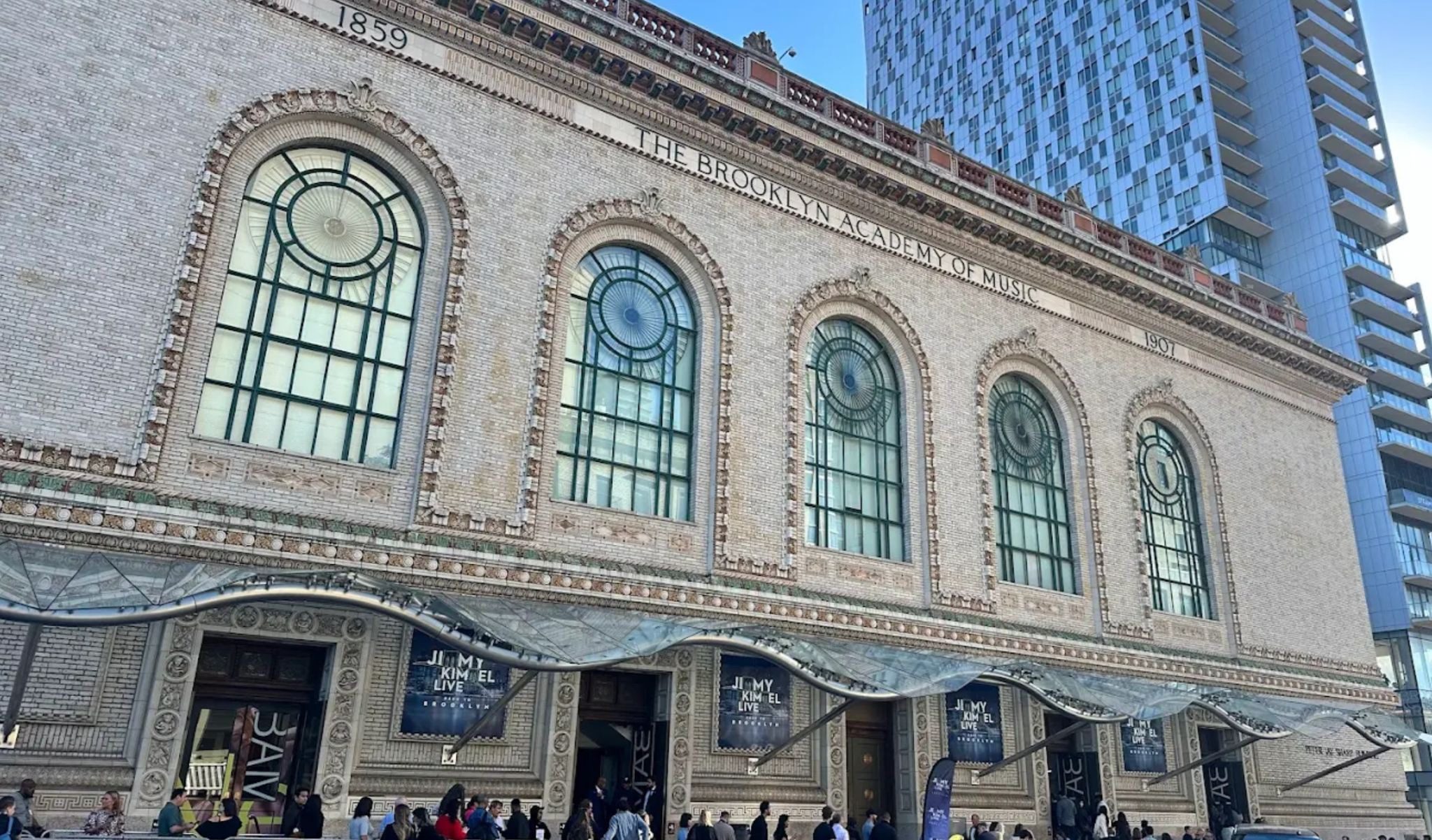
The Brooklyn Philharmonic was founded as early as the mid-19th century—in 1857, when Brooklyn was not even formally part of New York City. At that time, Brooklyn was in fact a separate major city. With its own cultural ambitions, theaters, and musical societies.
Against this backdrop, the establishment of a philharmonic society seemed almost inevitable. The local elite sought to prove that life “on the other side of the East River” was not limited to docks, warehouses, and factory smoke. The organization’s founders were wealthy Brooklyn entrepreneurs, patrons, and musicians who drew inspiration from the European model of philharmonic societies.
At first, the ensemble literally gathered wherever they could: their first concerts took place at the Brooklyn Athenaeum on Atlantic Avenue, as well as in large halls and church buildings, since they did not yet have their own facilities at the time. But their ambitions demanded a grander scale. It was the Brooklyn Philharmonic Society that became one of the initiators of the construction of this grand building.
And so, in 1861, the famous Brooklyn Academy of Music opened on Montague Street, where the orchestra made a triumphant move, becoming one of the centers of the new musical life for many decades to come. In those years, they tried to keep the repertoire academic and rather “serious”: Beethoven, Mozart, Mendelssohn, although the orchestra, under the direction of Theodore Thomas, was already taking risks and introducing the public to the latest European music by Liszt, Wagner, and Brahms.
In its early decades, the Philharmonic operated according to a model typical of 19th-century American cultural institutions. Part of its funding came from private donors and local businesspeople, and part from ticket sales and membership dues.
The Age of Experimentation: From the Classics to the Avant-Garde
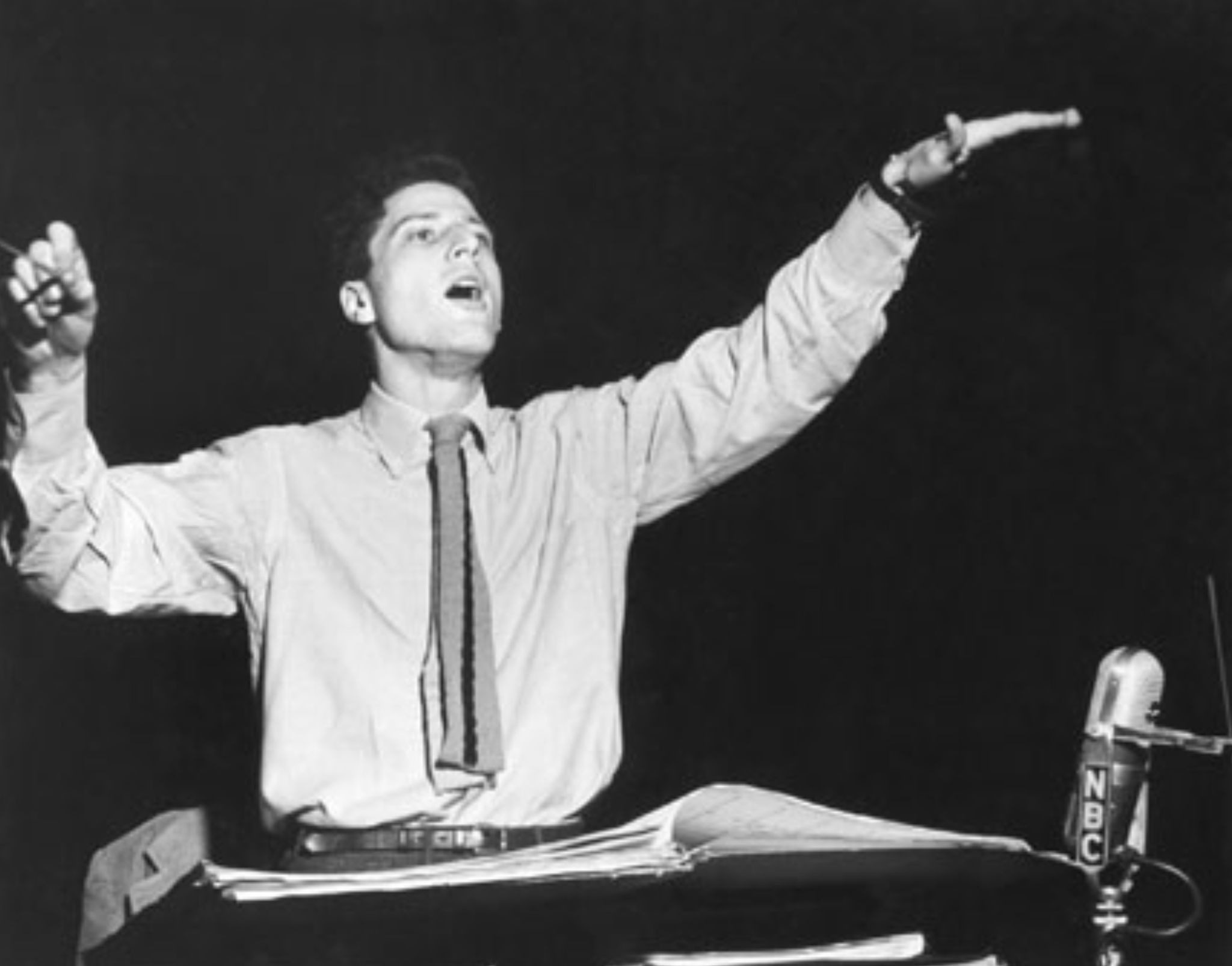
While the Brooklyn Philharmonic’s early decades were marked by a struggle for status and survival, in the 20th century the orchestra gradually evolved into a platform for quite ambitious musical experiments. This was particularly evident during periods when the institution was led by conductors who felt distinctly constrained by the traditional academic model.
One of the key figures was Lucas Foss, who took the helm of the Philharmonic in the early 1970s. Foss generally had a reputation as someone who was equally at home in the world of the classical repertoire and among avant-garde musical experiments. For Brooklyn, this turned out to be an almost perfect match. It was under his leadership that the Brooklyn Philharmonic began actively blending traditional symphonic programs with contemporary music, jazz, and unconventional performance formats.
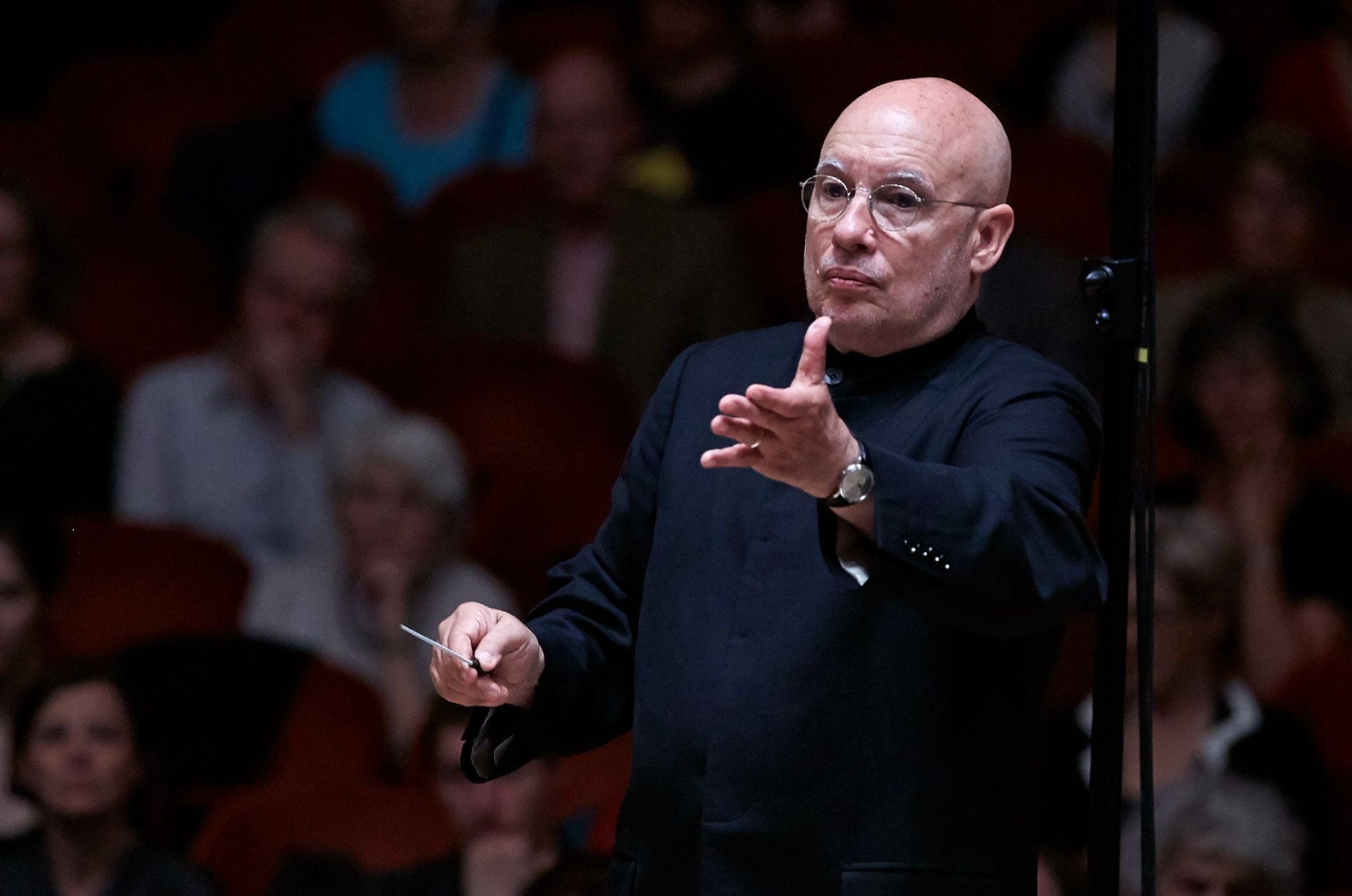
Part of the conservative audience, of course, experienced occasional culture shock—but Brooklyn has never exactly been known for its love of musical sterility. Equally important for the Philharmonic was the tenure of Dennis Russell Davies, who took the helm in 1991.
Davis was one of those conductors who had a keen feel for new American music and wasn’t afraid to work with contemporary composers. Under his leadership, the Brooklyn Philharmonic moved even further away from its image as a “museum of symphonic music” and began to resemble a living laboratory of urban culture.
The repertoire regularly featured works by contemporary composers and minimalists, who were likely to be received by more conservative philharmonic orchestras at the time with about as much enthusiasm as a tax audit. And therein lay a certain Brooklyn paradox: the more resolutely the Brooklyn Philharmonic dismantled academic snobbery, the more noticeable its real influence on the city’s musical life became.
How an orchestra helped shape Brooklyn’s brand
A music venue with such a history simply could not—and, arguably, had no moral right—to fail to influence the Brooklyn entertainment scene. Especially in a neighborhood where music had long existed not only in concert halls, but also in bars, theaters, television studios, on the streets, and in someone’s garage, converted into a “temporary creative platform.” Even before that became a trendy phrase in grant applications.
It was the Brooklyn Philharmonic that became one of the cultural forces that gradually blurred the line between the classical music scene and the city’s entertainment industry. And while Manhattan’s musical institutions long tried to maintain a distance between the philharmonic and popular culture, Brooklyn realized a simple truth much earlier: a person can listen to Mahler during the day and jazz at a club in the evening, and the world, as it turned out, didn’t come crashing down because of it.
The Philharmonic actively collaborated with theaters, festivals, television projects, and local cultural events. Its musicians participated in recordings of concert programs, soundtracks, and Broadway productions, and the organization itself gradually began to operate not only as a “serious musical institution” but also as part of New York’s vast entertainment machine. This was quite unusual for the second half of the 20th century. At that time, the academic world still often viewed show business much the same way a conservatory professor views a student with an electric guitar.
In fact, the Brooklyn Philharmonic helped shape the cultural image of Brooklyn that is now marketed to the world almost as actively as New York pizza or TV shows about local detectives. A neighborhood of creative experimentation, independent music, quirky art spaces, and people who can spend an hour debating vinyl records—this, too, is partly a result of the atmosphere that such institutions have fostered for decades. And the Brooklyn Philharmonic was clearly no mere bystander in this.
The Obvious and the Incredible: The Brooklyn Philharmonic Finale
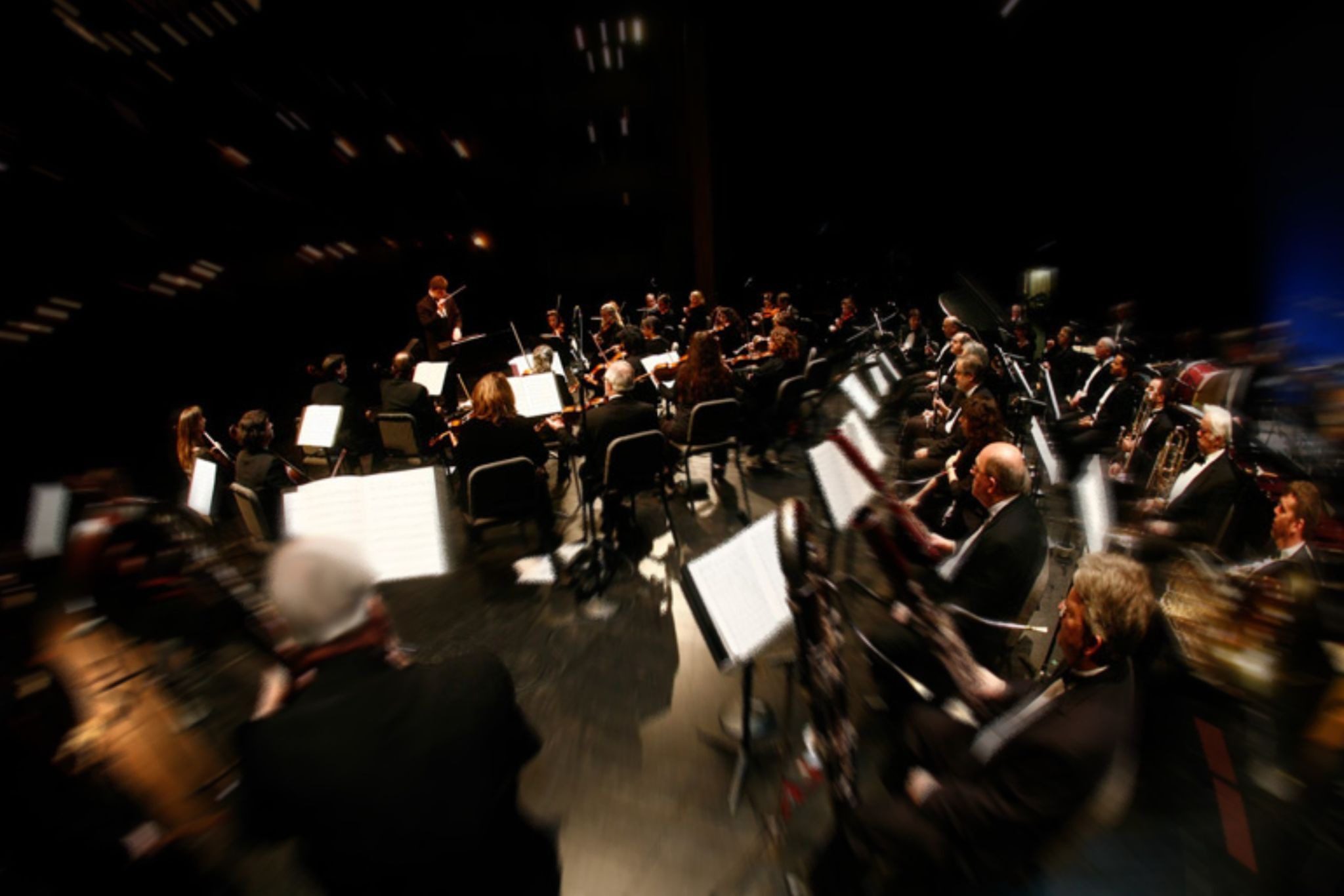
Be that as it may, despite all its achievements and prestige, the Brooklyn Philharmonic effectively ceased operations in 2013. There were plenty of reasons: a deep financial crisis, a sharp decline in philanthropic support, fierce competition for grants, and the constant struggle of cultural institutions to survive in the exorbitantly expensive city of New York. The irony is that a metropolis that knows how to brilliantly market its own culture to the world is far from always ready to financially sustain it.
The orchestra never officially declared bankruptcy; it simply faded from the scene, leaving behind an empty office and a defunct website. Today, the Brooklyn Philharmonic remains a vivid part of the city’s legend. And, by all accounts, the cultural landscape of modern New York truly lacks its bold voice.
Sources: