

Governor Hugh L. Carey was a distant yet determined figure whose approval ratings had dropped by 30 points in the polls just before the election. However, the real battle in that election was Hugh Carey versus Hugh Carey, between his strengths and weaknesses.
Carey was a complex, enigmatic, and often contradictory figure. Many saw him as a thoughtful loner, but he also possessed a charismatic charm, spinning elaborate tales and singing Irish songs.
At times, it seemed like he was bored with being governor, but during moments of crisis, he came alive. He was always on the move, traveling between Albany, Washington, and New York City to steer the city out of financial collapse.
Read more about the life of the Brooklyn-born New York Governor, Hugh Carey, at brooklynski.info.
A Battle With Himself
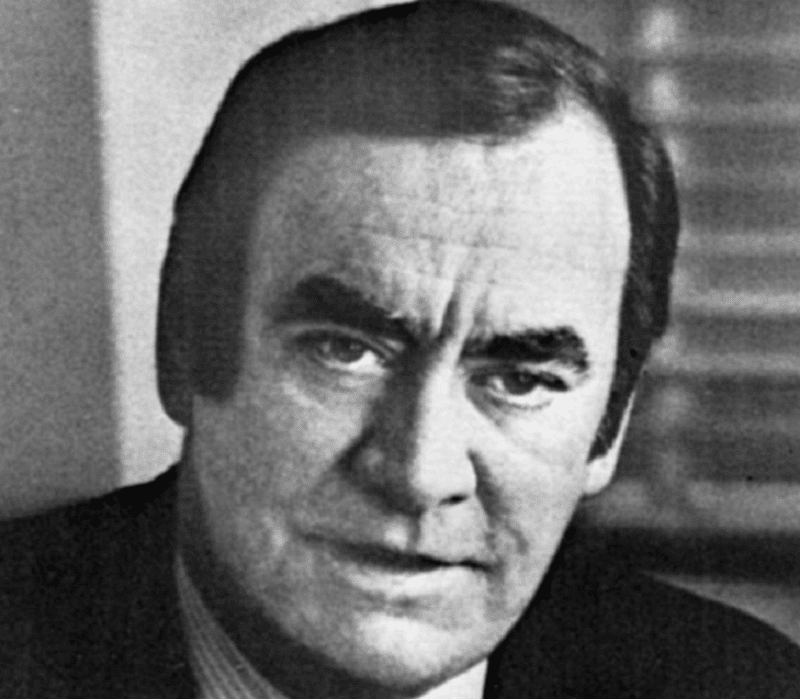
Carey, once labeled a “seven-term congressman” from Brooklyn, was often referred to as “portable” in political journalism—a euphemism for a party loyalist. Despite this, he won the governorship in 1974.
His name appeared as frequently in society columns as it did in political reports, partly due to his friendship with Ann Ford Uzielli. At times, Carey was so irritated by criticism that he vowed to stop engaging with the public. During his re-election campaign, he worked to remind voters that he had, in fact, been their governor for the past four years. This was because internal polling revealed that many barely noticed him as the state’s chief executive.
In response, he toured the state, announcing state aid programs, signing bills, and striving to appear more accessible. His reputation as a fiery loner, known for his sharp remarks and ability to demolish aides with his words, was reinforced when his own lieutenant governor, Mary Anne Krupsak, challenged him in the primary.
Challenges from Within
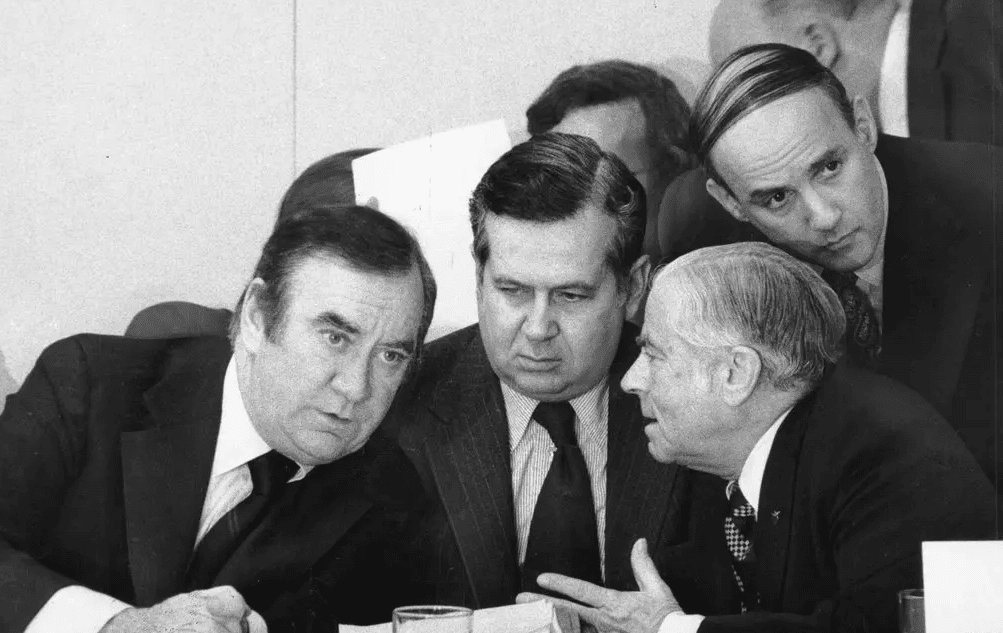
Some of Carey’s aides privately welcomed the challenge, believing it would motivate him for the tough battle against Mr. Duryea. After all, Carey was always at his best during crises. Lieutenant Governor Krupsak was the first to publicly clash with him.
Additionally, Carey severed ties with Mayor Abraham Beame, who had helped him get elected, during New York City’s financial crisis. Later, he brought in Mario Cuomo to assist in the primaries, only to later abandon him. He also fired the chairman of the Democratic Party after he was caught up in a grand jury investigation.
Perhaps his most politically controversial move was his repeated vetoes of capital punishment legislation. At the time, the death penalty was an emotionally charged issue. Some believed Mayor Koch owed his election to his support for capital punishment.
However, Carey stood firm in his opposition, stating he would commute every death sentence handed down under such a law. Similarly, he took an unpopular stance on abortion rights, insisting that poor women deserved state-funded access to abortions. As a father of 12 children, Carey held strong personal reservations about abortion but remained committed to upholding reproductive rights.
Unfulfilled Promises
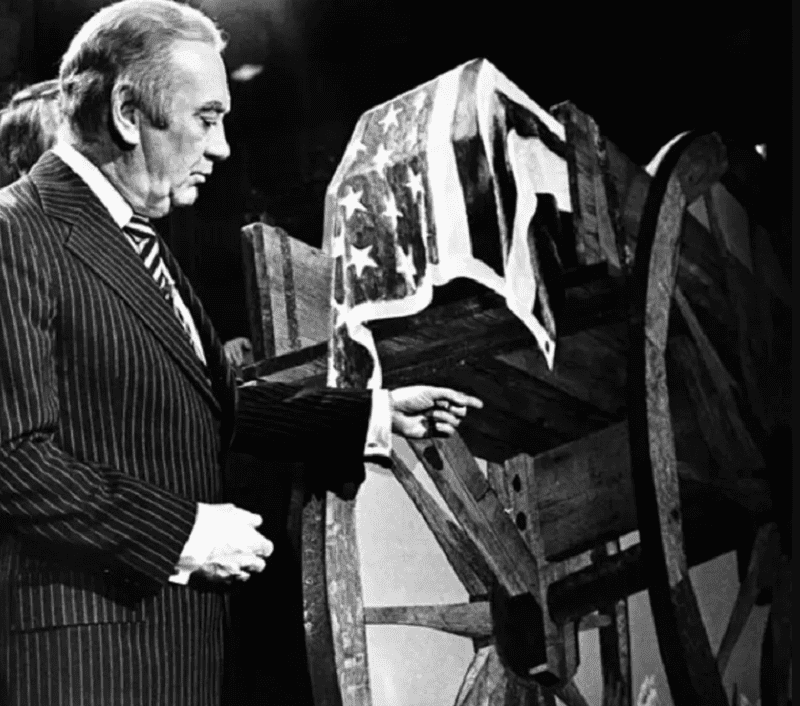
Hugh Leo Carey was born on April 11, 1919, in the Park Slope neighborhood of Brooklyn to an Irish immigrant cab driver. His father later ran an oil business, which Carey’s older brother, Edward M. Carey, transformed into New England Petroleum, one of the largest private companies in the world.
This family wealth helped Carey fund his political career. Like many New York politicians, he attended St. John’s University and St. John’s Law School. However, his education was interrupted by World War II, where he enlisted as a private, later rising to the rank of infantry major. He earned a Bronze Star for leading his unit through the Ruhr Valley.
After the war, he met and married Helen Owen Tuohy, a widow whose husband had died in the Pacific theater. He adopted her daughter, and together they raised 14 children. Two of his sons tragically died in a car accident in 1969. Helen Carey later passed away from cancer in 1974. During times of crisis, people close to Carey noted that he often made decisions based on what he believed his wife would have thought was right.
In 1960, Carey was elected to Congress from a traditionally Republican district, earning a reputation as a hardworking, liberal politician who respected party hierarchy. His failure to win the Democratic mayoral primary in 1969 surprised no one.
However, in 1974, he upset the party’s favorite, Howard J. Samuels, in the gubernatorial primary and went on to defeat Republican Governor Malcolm L. Wilson. Despite broken alliances and unfulfilled promises—including his pledge to keep subway fares at 35 cents—Hugh Carey emerged as one of New York’s most consequential governors.