

One could talk at length about the reasons for Jewish migration to the United States, but the main reason is that, of all the countries in the world, America was the kindest to this people. Judge for yourself, because the American community calmly allowed Jews to celebrate the Sabbath, have synagogues, do business, and have social ambitions, because the American community, unlike many others, believes that these rights belong to it.
The Jewish people are rightly proud of their great sons and daughters in Brooklyn, who are not afraid to say that they are Jewish. Read about the life and migration of the Jewish community to Brooklyn at the end of the 19th and beginning of the 20th centuries at brooklynski.info.
From bankers to workers
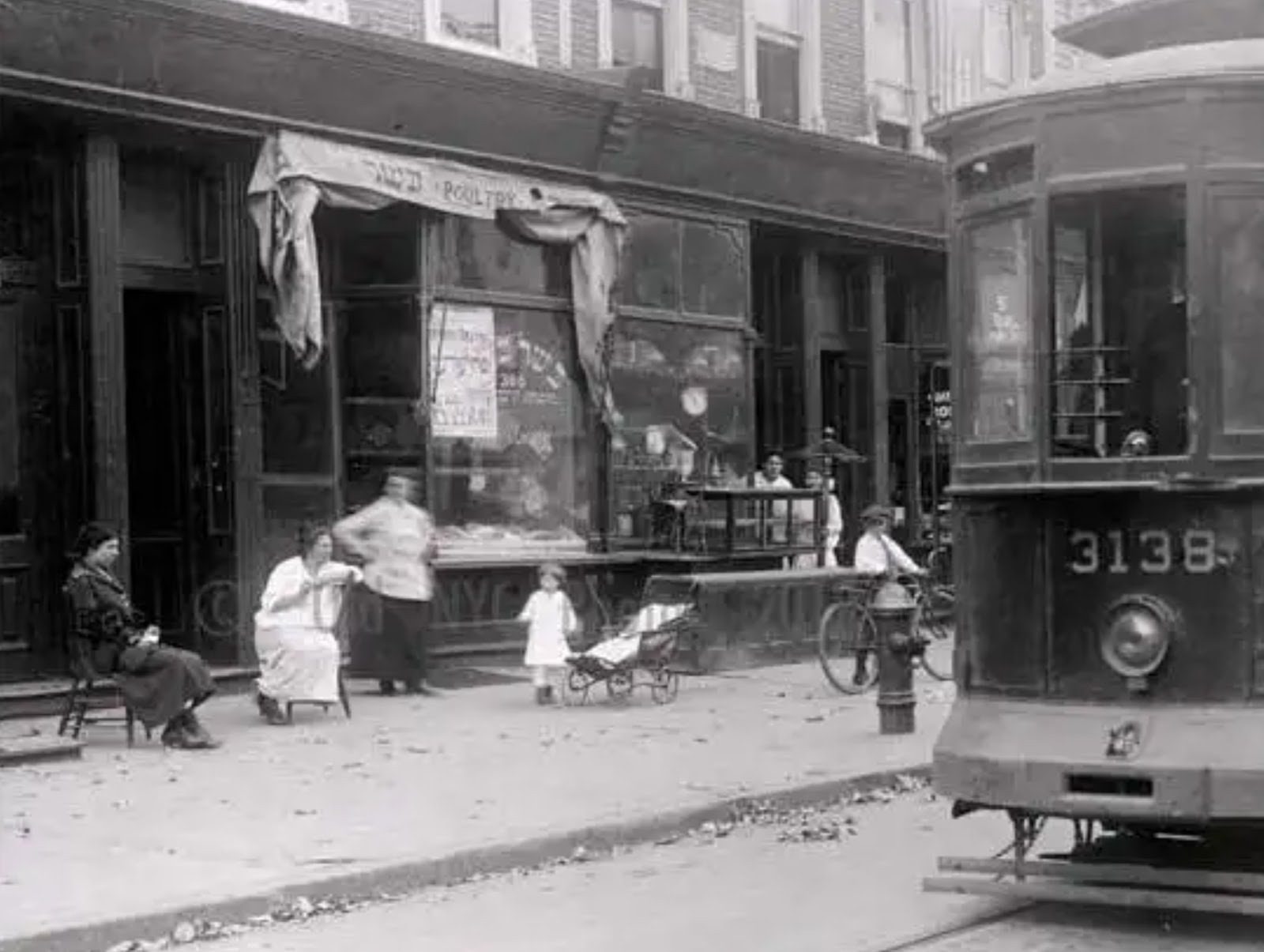
This is a story about how the Jewish community wants to and will continue to live here. All of the above not only served as a magnet that attracted Jews to the United States in general and to Brooklyn in particular, but also allowed people of all wealth and financial means to move here. Today, the Jewish community living here can boast of class affiliation across the spectrum, from Jewish capitalists to Jewish socialists.
There are Jewish industrialists and Jewish social workers, Jewish orthodox and Jewish radicals, Jewish traders, workers, lawyers, doctors, dentists, engineers, and many others.
Today, it is even known that Jews of the professional classes are rapidly displacing their brothers from less pretentious, though sometimes more lucrative, professions. The residents of the small colony on Grand Street who settled here half a century ago have spread to Williamsburg, Brownsville, East New York, Borough Park, Bath Beach, Bensonhurst, and neighborhoods such as Bedford, Park Slope, and Flatbush.
Moreover, the Jewish settlements have always been characterized not only by the presence of “kosher” signs, carts, and Yiddish synagogues, but also by the fact that the Jewish race is evenly distributed throughout the city. As far as leading representatives of professional, commercial, and charitable organizations are concerned. The progress of the Jewish community in Brooklyn is a very eloquent testament to this. After all, prosperity can come to a capable race in a community imbued with a democratic spirit of equal opportunity.
At the end of the nineteenth century, the Brooklyn Jewish Orphanage was founded, with Ernst Nathan as its first president. Why was this institution so important to the Jewish community? Because it initiated a series of charitable events during which all the disparate elements of Brooklyn Jewry, such as Orthodox Jews and “yehudi”, were to unite.
The educational alliance, which was founded in the heart of Brownsville in 1897, also contributed to this unification, at least all of whom worked together. The wives and daughters of the orphanage members organized a support organization, of which Mrs. F. Strauss was the first president.
A kindergarten was also opened thanks to donations. The institution has always flourished and been a model in Brooklyn. For some time it was run by Dr. Gelsmar. Moreover, not so long ago, this particular kindergarten was successfully inspected and praised during a recent thorough investigation by the Department of Charities.
The Jewish community of Brownsville
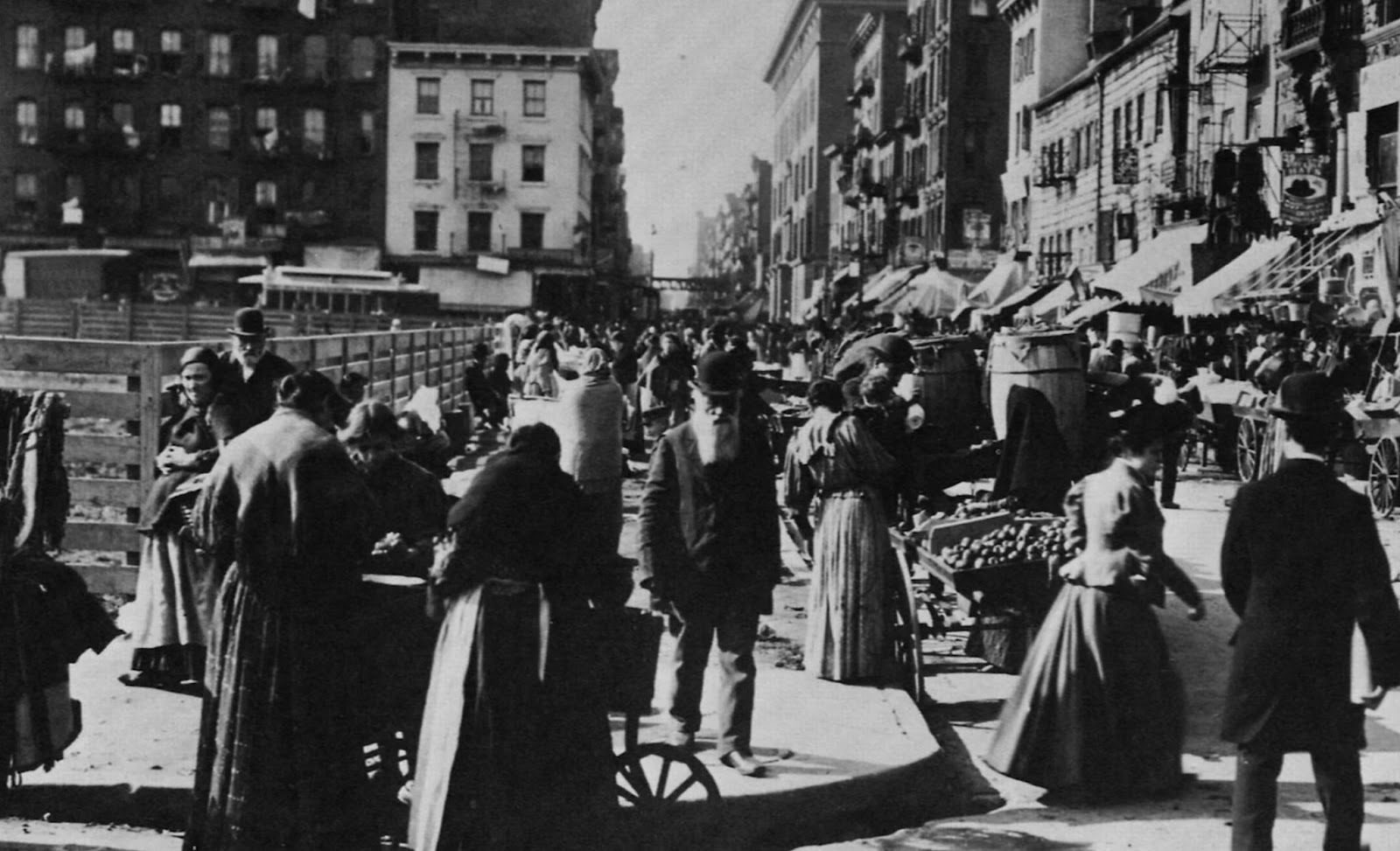
In the 1880s, Brownsville was a remote part of Brooklyn. It was an area of land with no paved roads, and street lighting was only available near wealthy homes, so anyone wishing to travel around the area had to do so through mud. But there was one eccentric who lived quietly in Manhattan, selling custom-made suits in his large store, who decided to move to Brownsville. With his money, he was able to buy a house on the side of the road that later became Watkins Street, not far from Sutter Street. In the house he purchased, the man opened his own store. It was from this small house that the Jewish community of Brownsville began.
Soon enough, banks, schools, synagogues, and playgrounds appeared here, and these children’s oases can be seen everywhere. This rapid growth of the neighborhood led to, among other things, a strong demand for real estate that preceded the panic of 1907.
Today, the neighborhood confidently claims to be the East Broadway of Brooklyn. After all, Brownsville is one of the most vibrant centers where rapid intellectual innovations are born. And if so, why not name the local Pitkin Avenue, with its cafes and newspaper offices, Yiddish for “Pitkin”? The Jewish Educational Society was founded and operates in this neighborhood. It has a beautiful building of its own on Hopkinson Avenue. By the way, it was founded by great sons of the Jewish people, including Abraham Abraham, Simon F. Rothschild, and other philanthropists. Today it is led by Dr. Bernheimer, a Jewish sociologist and writer. This society has become a kind of cultural forum for the whole of Brownsville.
Jews are a migratory people, and their time of expansion is not over yet. Wealthier citizens can be found in Flatbush and in the Heights. Every Jewish merchant from the lower classes has an irresistible desire to bring his children to a standard of living that is higher than his own. As a result, the Jewish youth of Brooklyn have always excelled in schools and universities in the United States.
Today, everyone knows and remembers the outstanding sons of the Jewish people who began their path to success in Brooklyn. These are truly remarkable Jews who not only lived in this borough, but also influenced its life and became symbols of its success.
Be generous
Today it is very difficult to classify all the Jewish societies in Brooklyn, since almost every synagogue, and they are located on almost every street, has its own women’s auxiliary organizations. There are also free funeral societies, maternity funds, and organizations that provide free loans to help those in need in the neighborhood.
After all, Jews are always generous; it is their social distinction. In addition, generosity is a measure of a person’s wealth for his or her own development. It is no coincidence that the Brooklyn Federation of Jewish Charities appeared in the Borough and became a source of official charity. Today it is known that the Council of Jewish Women, the Jewish Hospital, the School of Nursing, the Association of Jewish Young Men, the Auxiliary Organization for Social Services for Young Men and Women, and many other similar institutions that consider charity to be their main mission cooperate with this organization.
In this context, we are talking about Jewish churches and synagogues. Brooklyn has always been the center of churches, and now it is the center of the most beautiful temples. Among them, for example, is Temple on Eighth Avenue. Rabbi Alexander Lyons serves in this temple. Also, noteworthy is Temple Israel on Bedford Avenue, where Rabbi Krass preaches. And Beth Elohim on Kip Street is served by Rabbi Simon R. Cohen, who is known for his wit.
The process of another transition
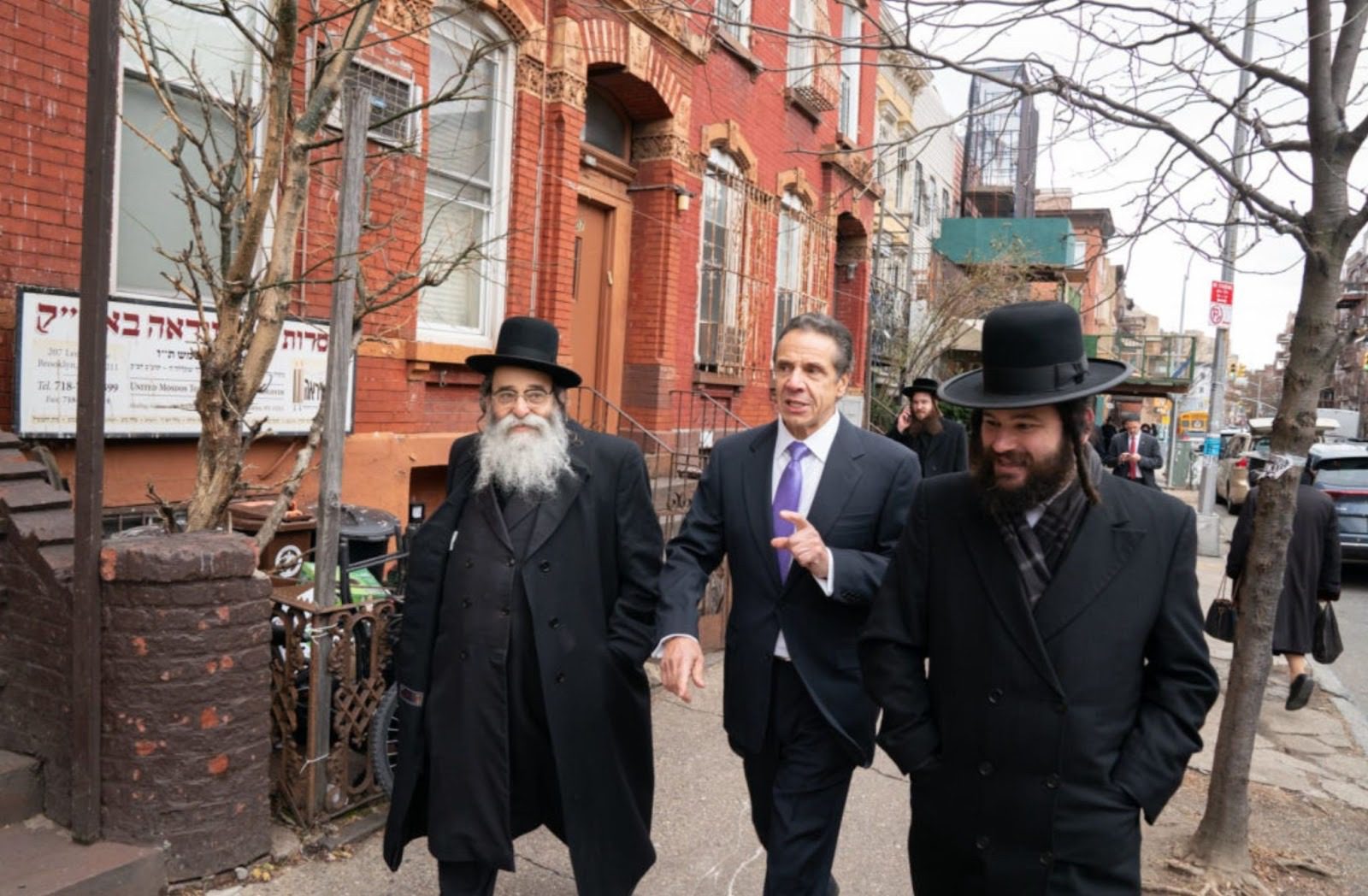
But time does not stand still, and today the ghetto is, frankly speaking, disappearing. The old Jewish school is also disappearing, giving way to newer and more modern ones. They are adjusting their curricula to those of state schools. Young people no longer lose touch with the older generation, as the need for higher education sweeps away Yiddish and its patriarchal home rules.
Instead, he returns with Zionist sentiments and Menorah movements to dine at the table with his parents in their home as a “guest” on Saturday evening, to benefit himself, Judaism, and Brooklyn. Brooklyn Jewry is in the process of another transition.
Sources: